
Cortland Fly Rods
What you need to know about buying Cortland Fly Rods
Cortland Fly Rods are built for anglers who want honest, dependable tools that make casting feel simple on real water. The Cortland Line Company has been part of fly fishing for generations in the United States, earning trust for lines first and, over time, for well-tuned rods that match those lines in feel. The brand’s design philosophy is straightforward: a fly rod should load at fishing distances, track straight, and recover cleanly so you can place a Fly where it belongs without wrestling the blank. That approach suits an angler who values calm timing, clear feedback in the hand, and practical durability over spec-sheet flash. Cortland has always listened to fishers on rivers and flats, and that habit shows in little decisions that add up—tapers that tolerate imperfect timing, components that travel well, and finishes that hold up to long seasons. If you want a Cortland rod that lets you think more about reading current and less about babying gear, you’re in the right place.
History matters here because it explains the feel. Cortland built its name on lines, which trained the company to think about how energy moves from your hand to the fly; that thinking now guides Cortland Rods as well. Whether you’re carrying a short line for a small creek or pushing into a headwind on a big tailwater, you’ll notice a steady, moderate-fast personality built for control first and distance second. It’s a philosophy that rewards smooth strokes, steady stops, and consistent tracking so loops stay tidy without drama. Many Cortland rod options feel crisp enough to punch through breeze yet forgiving enough to present lightly when trout turn wary. And because the company hears a lot of opinions from guides and everyday fishers, it keeps adjusting the small details you can feel—grip shapes, guide layouts, and how the lower sections support the upper through the stop—without turning the rod into a diva.
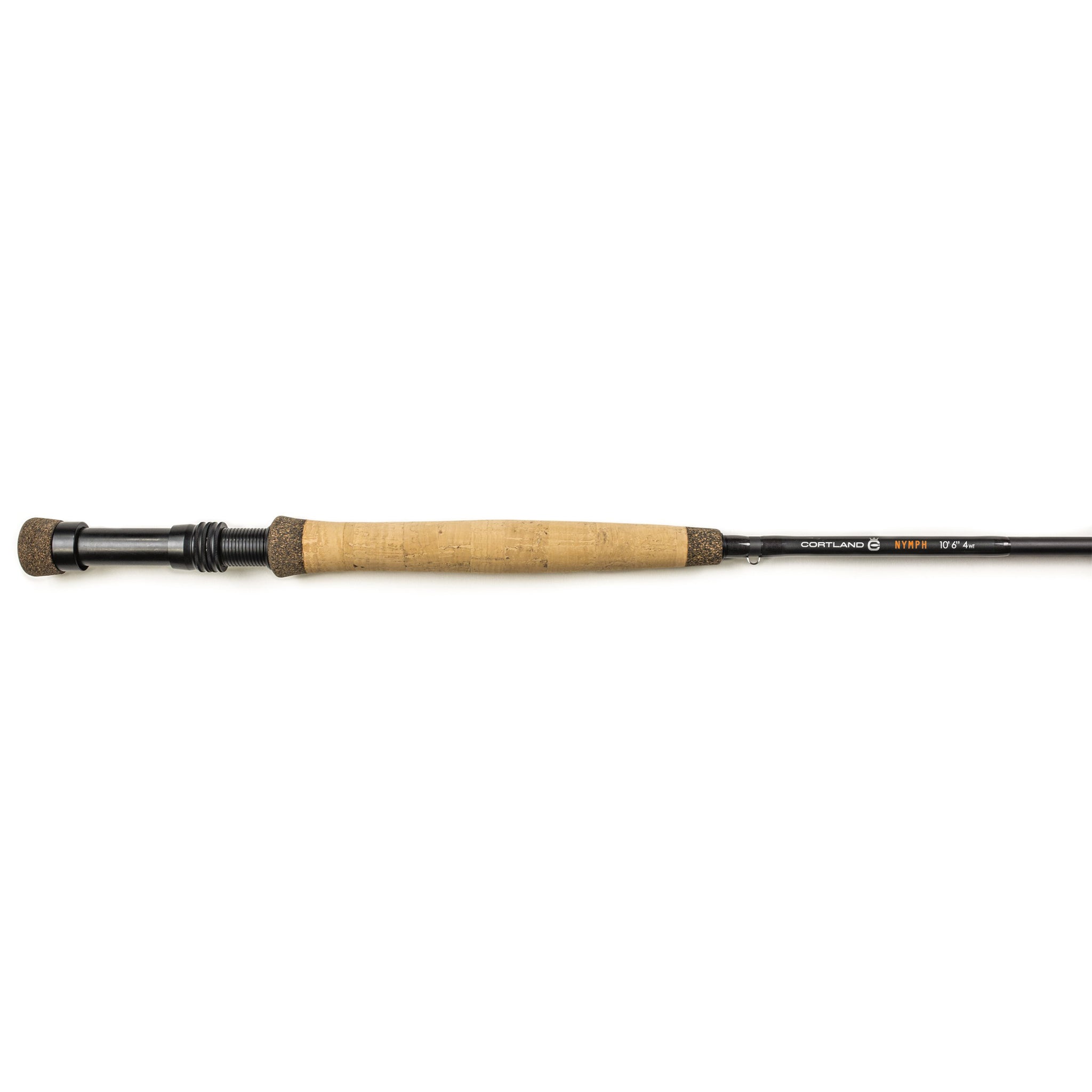
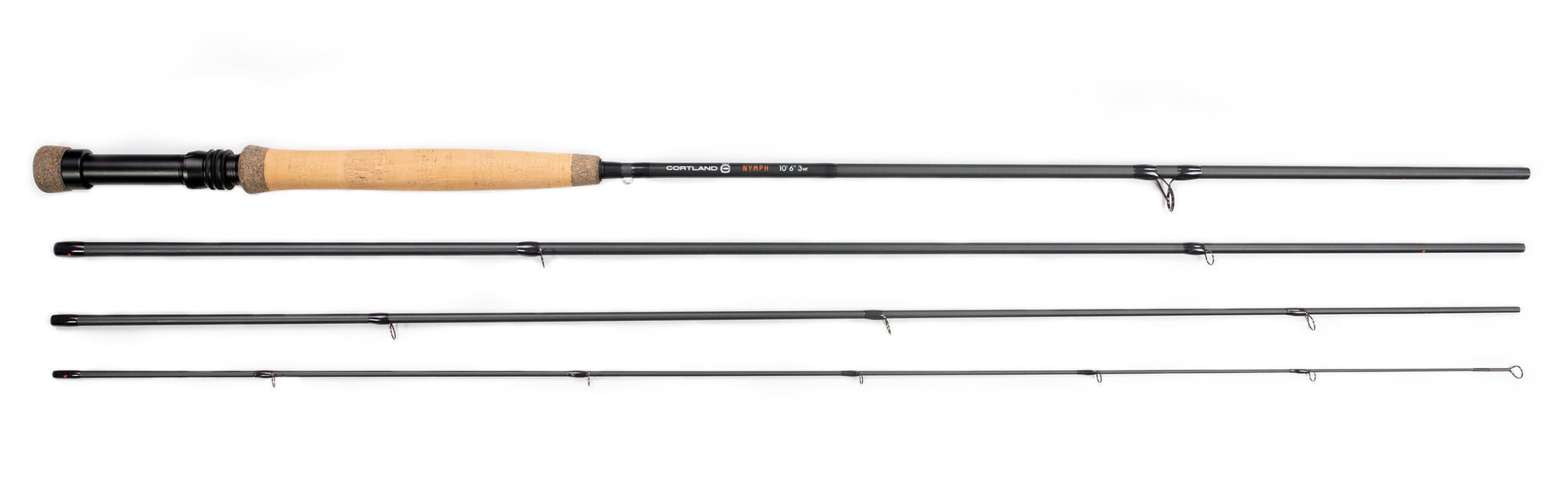
Choosing within the lineup starts with the water you actually fish. For mixed trout rivers, a 9 ft 5 weight is the simple starting point because it balances presentation with easy mending and modest streamers. If your home river is a tailwater where long leaders and two-fly rigs are common, a 9.5 ft or 10 ft 4 or 5 weight buys you reach and drift control. When wind shows up or your flies get bulky, many anglers step to a 6 weight to carry more line with fewer false casts; from a boat, a 9 ft 6 or 7 can pick up long lengths and reset quickly. If you haunt river mouths and light surf, look to 8 or 9 weights with salt-minded hardware; if warmwater is your game, match the rod to the poppers and streamers you actually throw. Tight-line fans will appreciate what modern nymphing techniques ask of a blank—reach, sensitivity, and quick, fast hook sets when a subtle take shivers the leader. That’s where phrases you’ll see, like Cortland’s Nymph series or a more generic Nymph Series label, signal intent rather than specs. A Competition Nymph rod typically favors longer lengths, precise balance, and grip options that reduce fatigue during high-stick drifts. In this style, anglers often rig monofilament leaders for an extremely stealthy approach and quick depth changes; a down-locking reel seat can shift the balance point toward the hand for exceptional balance, and single foot guides can help keep weight down. None of that says every Cortland rod has those parts; it’s guidance for what to look for if that’s your style. Pair with {{ANCHOR 1}} to balance swing weight and settle the tip on longer carries, then dial your head and taper with our {{ANCHOR 2}} so the line matches your casting tempo and the flies you use most.
If you prefer a simpler, do-it-all outfit, Cortland makes building the kit easy. The company that perfected lines also understands how reels and rods meet in the cast, so you’ll find reel combos that remove guesswork when you’re outfitting a friend or buying a spare. A Reel Combo can be an excellent choice for travel, for a first setup, or as an extra combo you keep in the truck for opportunistic stops. Fans of classic value will recognize Cortland Fairplay from past seasons; think of it as a reminder that a well-matched outfit, not hype, catches fish. At the other end, anglers who want maximum performance will gravitate toward lighter builds that pair a super light graphite blank with components chosen for repeatable accuracy and fewer ounces on the hike in. You may also see terms like composite fighting butt on rods meant for heavier work, or design cues meant to protect knots and running lines. And while everyone has opinions about the “best” taper, your opinion—the way you cast, the distances you fish, the water you wade—should drive the decision. This isn’t a bot pushing specs; it’s a nudge to test, feel, and choose what fits your age, your waters, and your goals across many ages of seasons.
Navigation within Cortland is easiest when you sort by use and feel. If your priority is touch and short-range control, look for trout-first lengths that load early and protect light tippet. If you need more drive for bigger flies or wind, choose options that lean toward firmer recovery through the stop. If salt or surf is on your map, consider salt-ready components, corrosion-minded hardware, and a composite fighting butt for leverage. For euro-style work, look for longer lengths with exceptional balance in the hand, and consider how a down-locking reel seat, light hardware, and trim grips reduce tip heaviness over hours of high-sticking. For any setup, the right reels and spare spools expand what one blank can do; different lines can wake up a short, brushy stream one day and smooth out longer carries the next. You’ll see Cortland rod and Cortland Rods mentioned across product pages; treat those labels, along with Cortland Fairplay or Cortland’s Nymph series, as signposts while you focus on how the outfit actually casts for you.