
Euro Nymphing Rods
Euro Nymphing Fly Rod Buying Guide
Euro nymphing shines when trout hold near the bottom, the water is clear, and you need steady contact with your flies to feel soft takes. This style uses a long leader, a thin connection to the fly, and a high rod angle to keep line off the current. It works on tailwaters, freestones, and small streams across the United States, in cold months and during summer low flows. Because you’re tight to the drift, you feel more than you see, which is why a purpose-built Euro nymphing rod with real sensitivity helps you detect light ticks and set hooks without delay. Many anglers switch to this technique when hatch activity is sporadic, fish are sitting deep, or they want to cover a lot of pocket water quickly.
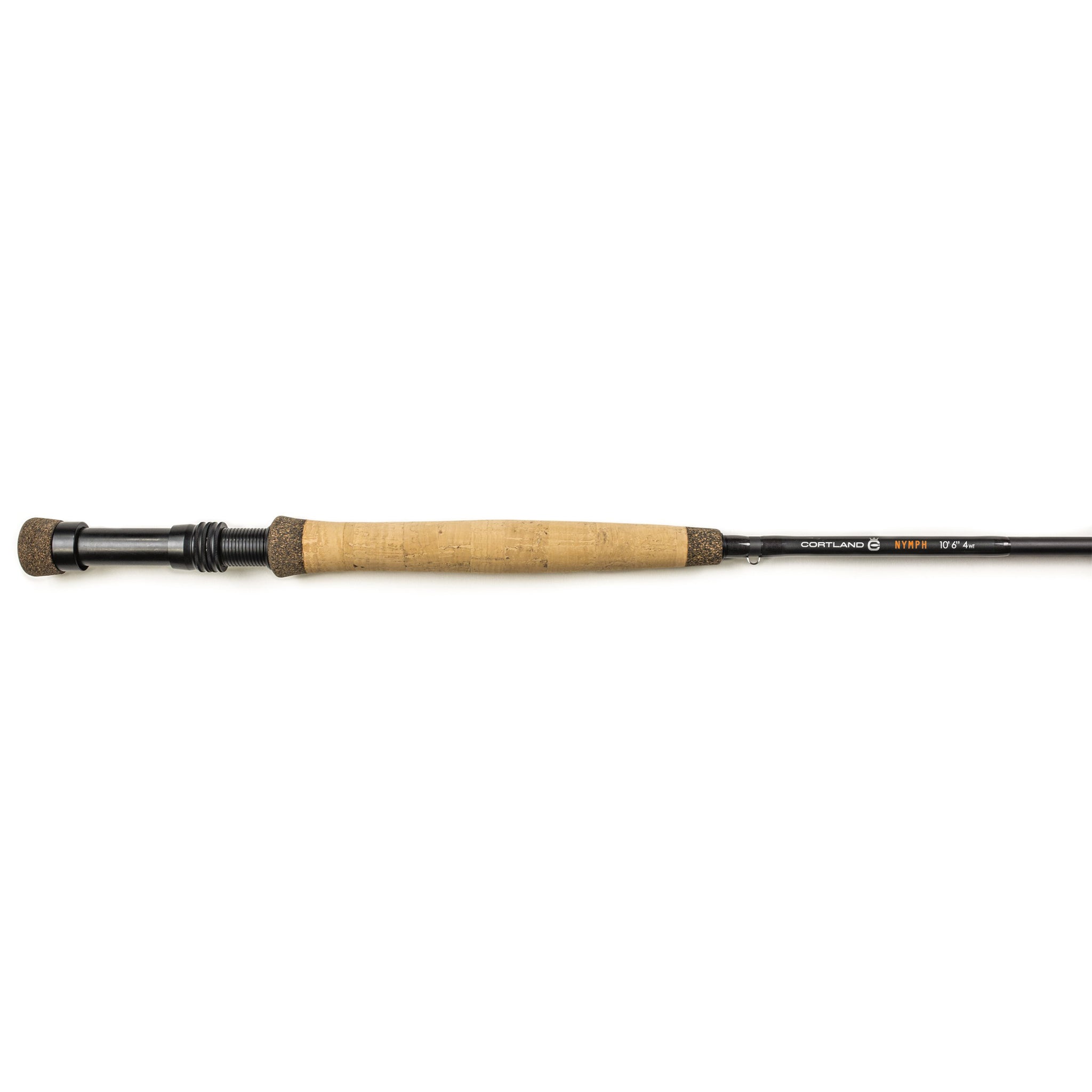
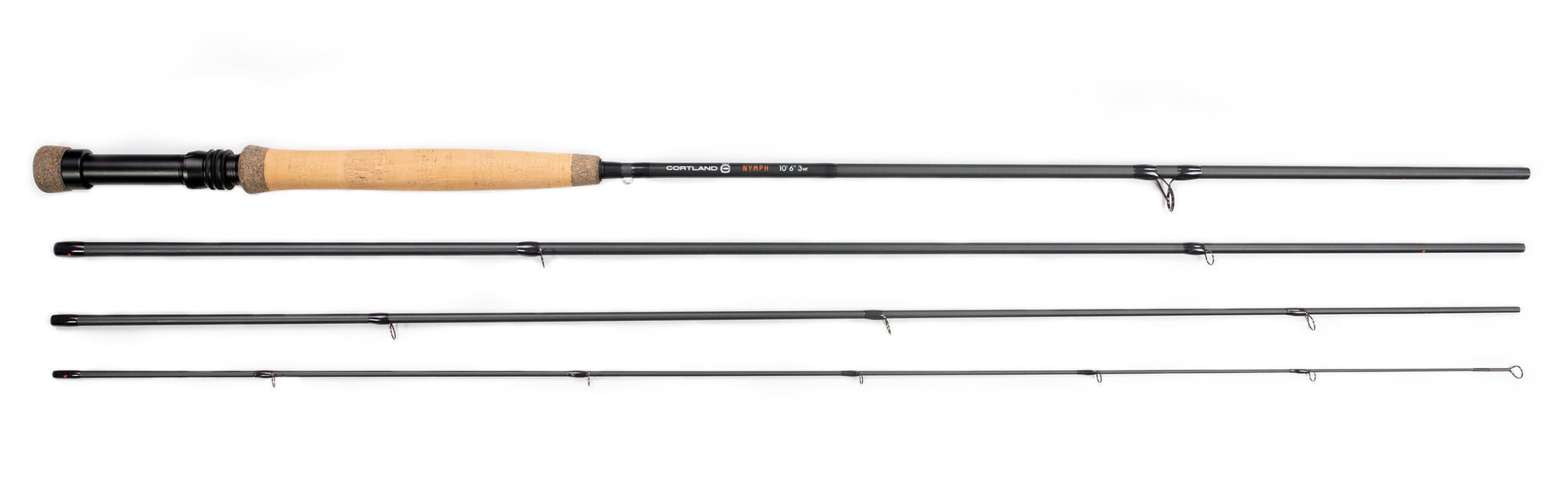
Translating specs into plain language starts with length, line weight, and action. Most Euro rods run 10 to 11 ft and live in the 2 to 4 weight range. A 10’ or 10’6” 3 weight is the all-around choice for mixed rivers because it reaches across seams, protects light leaders, and has enough backbone for a surprise brown. If you fish tight canyons with brush and short drifts, a 10’ 2 weight loads fast and keeps the tip close to the water without feeling clumsy. If your home water is big and deep, or you use heavier anchor nymphs, a 10’6” to 11’ 4 weight offers more control and better hook penetration at distance. Action-wise, most dedicated models blend a softer tip for strike detection with a firmer butt for quick lifts and steady pressure. That combination gives you a sensitive tip for sighters and micro-tucks, plus plenty of power down low to steer larger fish away from rough banks.
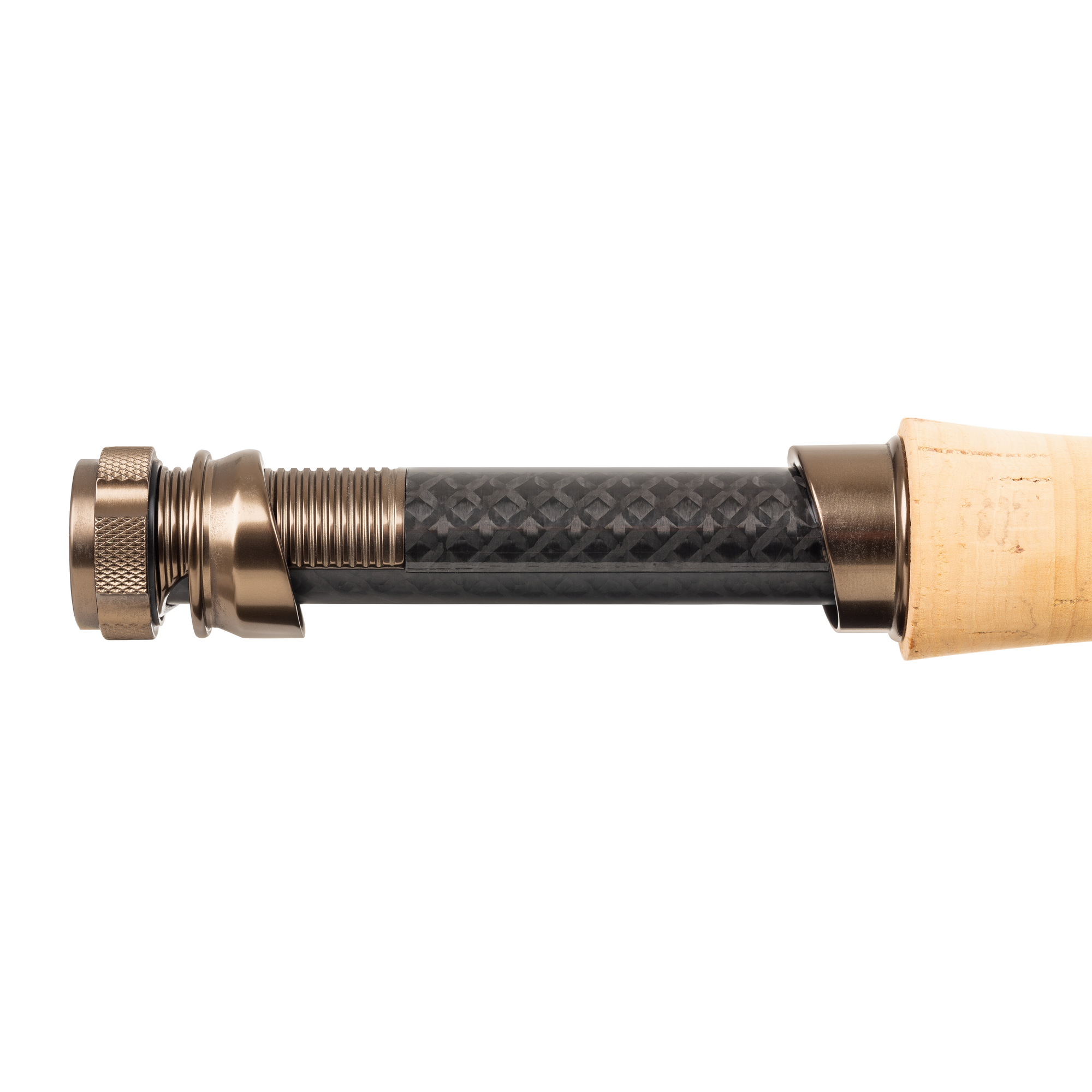
Balance matters more here than with many other fly rod styles because your arm is up and out a lot of the day. You want the outfit to feel neutral in hand so the tip doesn’t pull down. A slightly heavier reel is not a bad thing if it brings the balance point back near the front of the grip, and many Euro-specific builds use a down-locking reel seat for that reason. Swing weight—how heavy the rod feels while moving—is a helpful clue; lighter is nice, but only if the rod still tracks straight and recovers cleanly. Lines and leaders are different too. Most European-style nymphing uses very long leaders, often 20–30 feet, built from thin diameter materials so they cut drag. Some anglers run a true Euro fly line with a low-stretch core for better feel, while others stick to a short, level line that stays out of the equation except for legal compliance. Either way, thin sighters and long leaders are the key to contact, and small two-fly rigs with 2–4 mm tungsten are the norm.
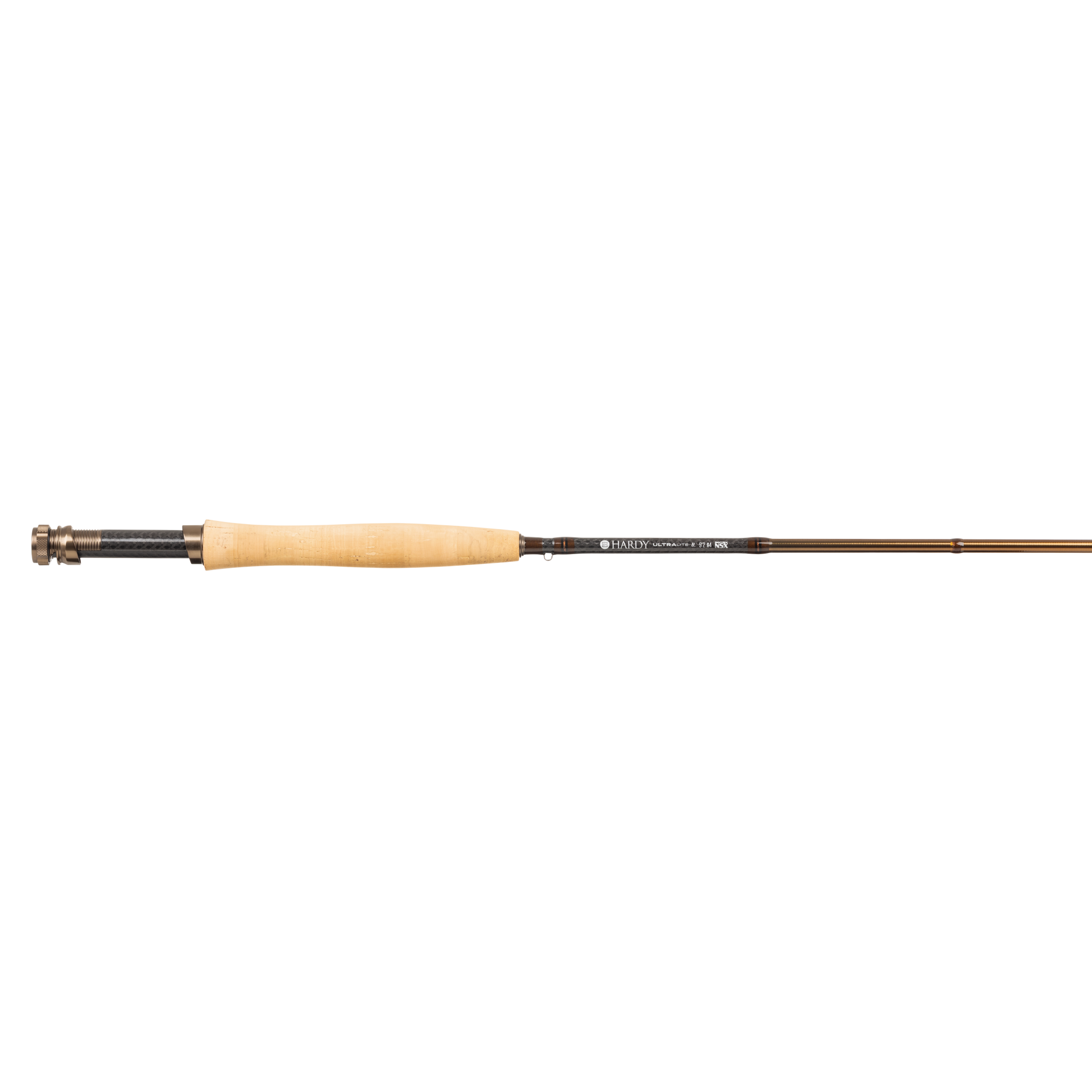
Choosing the right Euro rod comes down to the water you fish and the flies you throw most. If your average drift is inside 25 feet with lots of pocket water, a 10’ 2 or 3 weight keeps the system light and crisp. If you often reach across broad tailouts or need to lift a heavier anchor nymph in fast current, a 10’6” or 11’ 3–4 weight adds reach and control. If you plan to mix in dry-dropper or short-range indicator work, a 10’ 4 weight with a slightly quicker recovery can turn over small yarn or a buoyant hopper without feeling like a pure dry fly rod. Popular model families like Sage ESN, Hardy Ultralite LL, Orvis Recon, Echo Shadow II, and Orvis Clearwater show how brands tune Euro tools across different price points; the specifics vary by maker, but the idea stays the same: long, light, and responsive with balance built in. Lines, leaders, and tippet finish the job. Cortland and other reputable producers make Euro-focused tapers and leader kits that pair well with thin sighters, long leaders, and small split-shot-free rigs. If you’re trying to decide what’s “best Euro” for you, think first about your river size, average depth, and the weight of your nymphs; that will point you to the right length and power before you worry about cosmetics.
Care is simple and important. Check ferrules during the day because long leaders and repeated hook sets can work sections loose. Rinse grit from the blank and guides, and wipe the cork so oils don’t build up where your hand pivots. Avoid high-sticking at the net; keep the rod angle lower and use the butt when a strong fish turns broadside. Store leaders straight or on a large spool to reduce coil memory, and keep thin lines off hot dashboards. Warranty terms differ among makers; keep your proof of purchase and register your serial number so service is smooth if you nick a guide, crack a tip, or need new hardware after years of use. With that baseline, a good Euro nymphing rod will serve a long time and make tight-line fishing feel natural.