
Rod/Reel Combo Kits
Picking Out The Perfect Fly Fishing Rod Combo For New Anglers
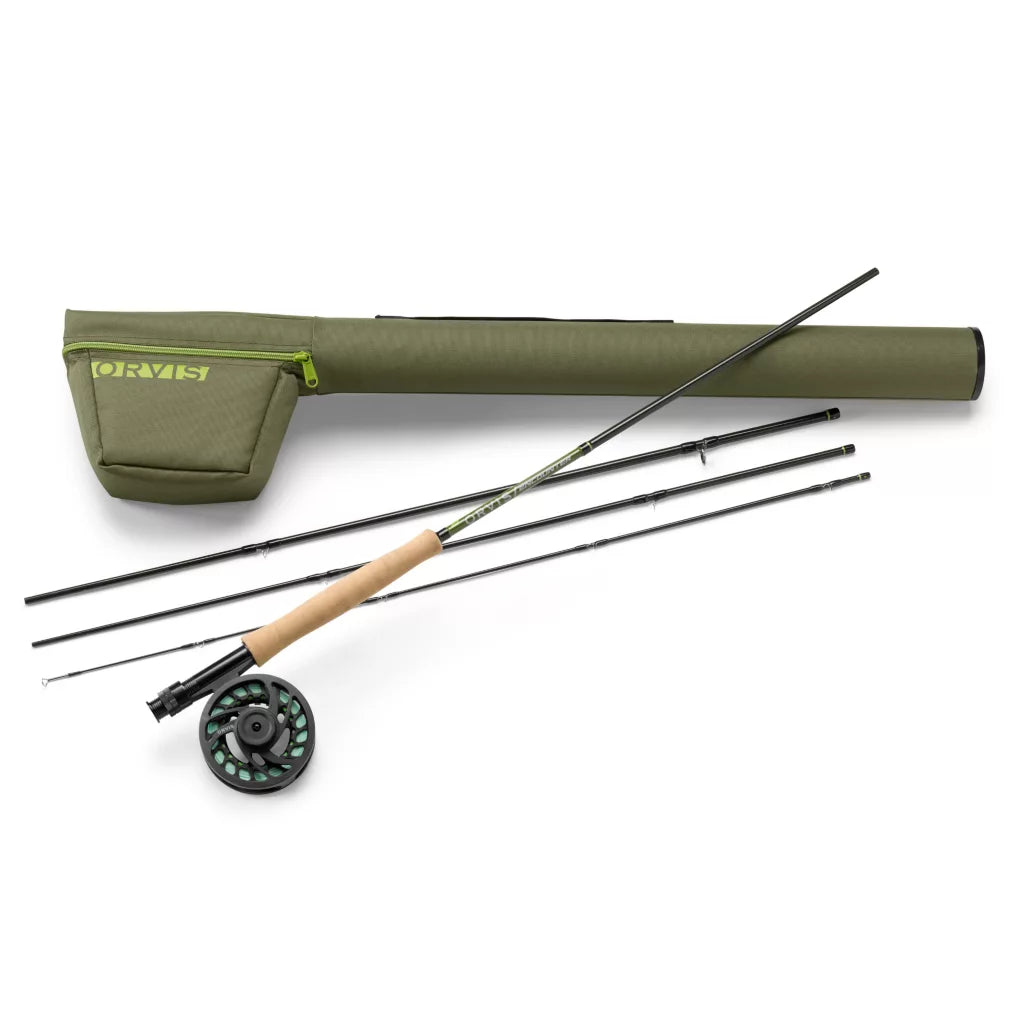
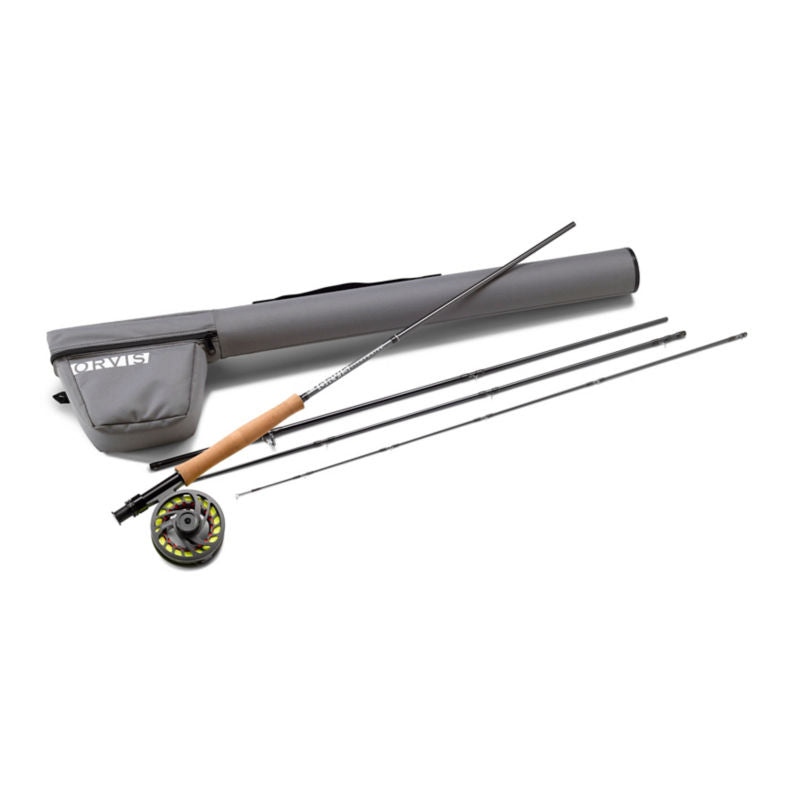
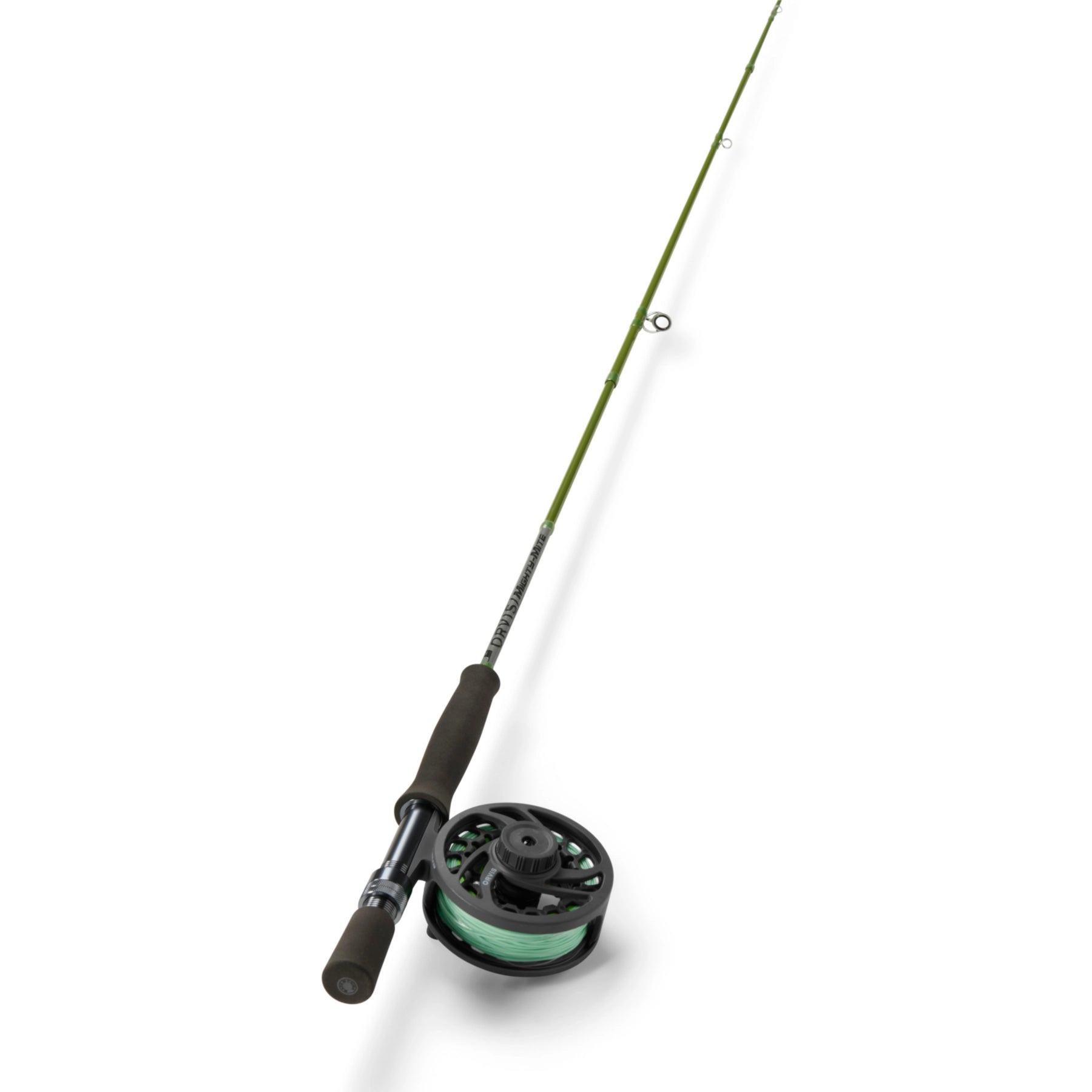
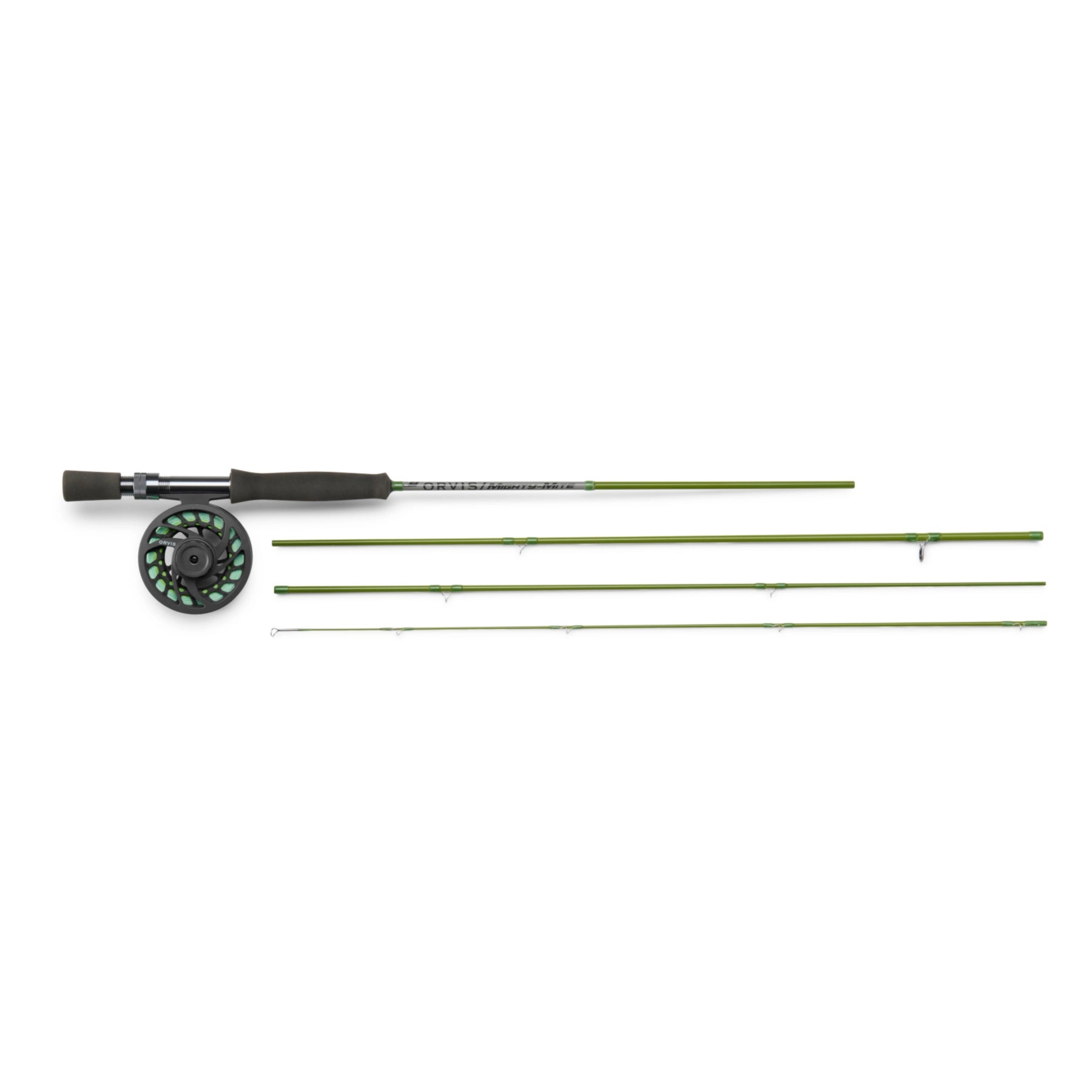
A fly fishing rod combo takes the guesswork out of matching parts. The rod, reel, and line are chosen to work together, so you can tie on a fly and start fishing without chasing specs. This setup shines for new anglers who want a clear path to the water and for seasoned folks who want a grab-and-go package for travel, guides’ days off, or a spare in the truck. Across the United States, these outfits cover trout creeks, warmwater ponds, broad tailwaters, and even light inshore when built for salt. Because the pieces are balanced at the factory, you get better tracking, easier loop shape, and more control at real fishing distances, not just on the lawn.
Choosing the right combo starts with what you fish most. For all-around trout on rivers and streams, a 9’ 5 weight is the standard because it can land dry flies softly, mend across seams, and still turn over a small streamer or two-fly nymph rig. If your water is small and brushy or you love Brook Trout, look at 7’6”–8’6” 3–4 weights; the shorter reach keeps backcasts out of the willows and loads at 20–40 feet. If wind and bigger patterns are part of your day, a 9’ 6 weight adds stability without feeling heavy. Bass, carp, and light salt work are better served by 7–8 weights that carry larger flies and help you steer fish away from weeds or docks. Euro-curious anglers can pick a purpose-built 10’–10’6” 2–4 weight combo that favors thin leaders and contact nymphing. If you’re thinking about steelhead on swing, spey rods in 12’6”–13’6” 6–7 weights are a better tool than long single-hand sticks, and many brands bundle those too.
Length and action describe how a Fly Rod behaves. Fast-action models make tight loops and help in wind or with weighted rigs, while moderate-fast blanks load a bit deeper and feel easier to time at 20–50 feet. As a simple rule, pick 8’6”–9’ in 4–6 weights for most trout rivers, step down in length for tight quarters, and step up in weight for bigger flies, more wind, or larger fish. Many combo kits include a matched Fly Line with a head that loads the blank within a short stroke, so you don’t need a perfect cast to get a clean delivery. That line pairing matters more than people think; a good taper makes a medium cast feel simple and extends your useful Distance by helping the rod recover straight. If you want overhead room for lakes, look for 9’ and longer; if you plan to high-stick or tight-line at close range, reach in the 10’ class can help.
Balance is where combos earn their keep. Because rod and reel are chosen together, the outfit often sits neutral in your hand with 30–40 feet of line beyond the tip. That reduces fatigue and improves tracking through the stroke. Heavier reels are not a bad thing if they bring the fulcrum back toward your hand, and many reel combos include a large-arbor spool for quicker pickup when a fish charges. For warm, stillwater days, most anglers choose weight-forward floating Lines; on rivers, longer front tapers land softer for dries and more aggressive heads help lift indicators or sink tips. Salt-ready outfits swap in corrosion-resistant hardware and stainless steel components so the gear holds up. If you fish both fresh and salt, choose an 8 weight combo with a sealed drag and rinse it after every trip.
The right package should also match your goals and budget. There is nothing wrong with a cheap fly fishing combo if it helps you start with confidence, but focus on fit in hand and a smooth drag rather than extras you do not need. High-quality outfits from makers like Redington, Orvis, Scott, Sage, and G Loomis tend to track straighter and recover faster, which shows up in easier accuracy. Some fly-fishing combo kits arrive spooled with backing and a tapered leader, which saves time. Others include tools and a small fly box, though you should still build a few patterns you trust for your water. If you like to learn by watching, your favorite YouTube channel is a handy way to see knot tying, basic casting, and how to set the reel’s drag before your first trip. For Children, consider shorter rods with softer tips so they can load at short range without forcing the stroke. Many brands keep standard warranty coverage on combos; register the serial number and keep your receipt so service is simple if a tip breaks down the road.