
Sale Fly Rods
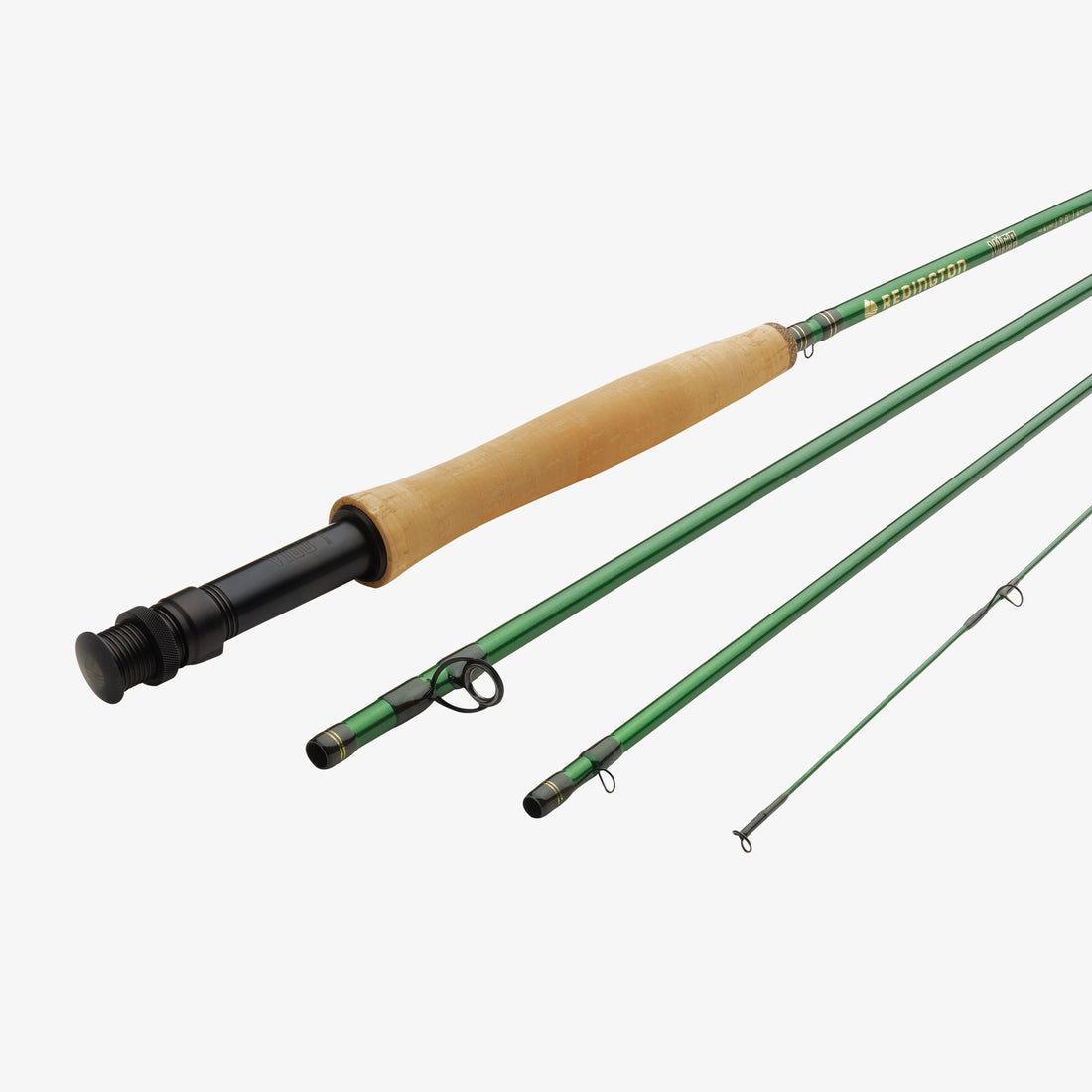
Considerations for Buying Fly Rods On Sale
A good sale is the easiest way to level up your setup without stretching your budget. Closeouts and seasonal markdowns often include proven Fly Rods that guides use every day, along with updated models that replaced them by a small margin. Most sale items are older colors, overstock, or last year’s runs, not damaged gear. That means you can pick the right tool for your waters and keep money for Flies, Leaders, and a spare spool. If you watch for a discount, you may also see bundle offers like a FREE Fly Line, which can make the total cost of an outfit much easier to manage.
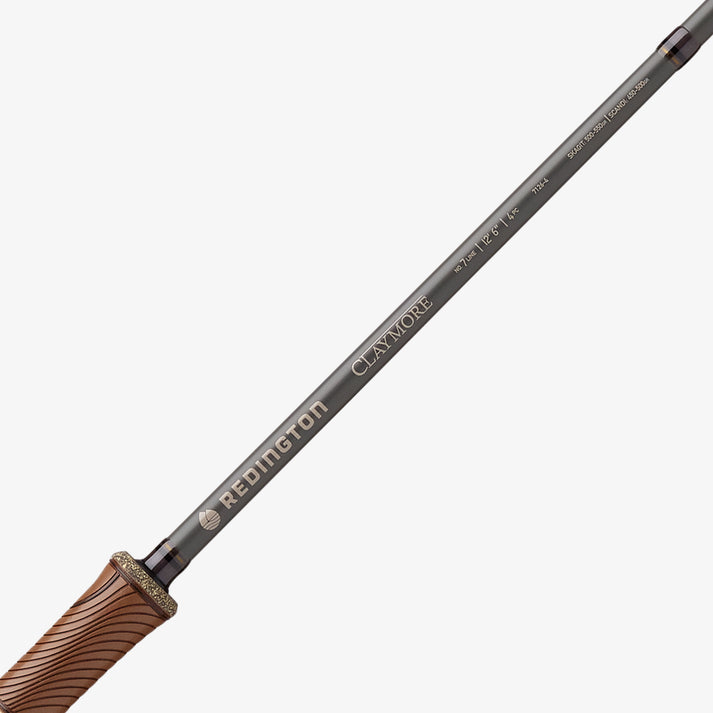
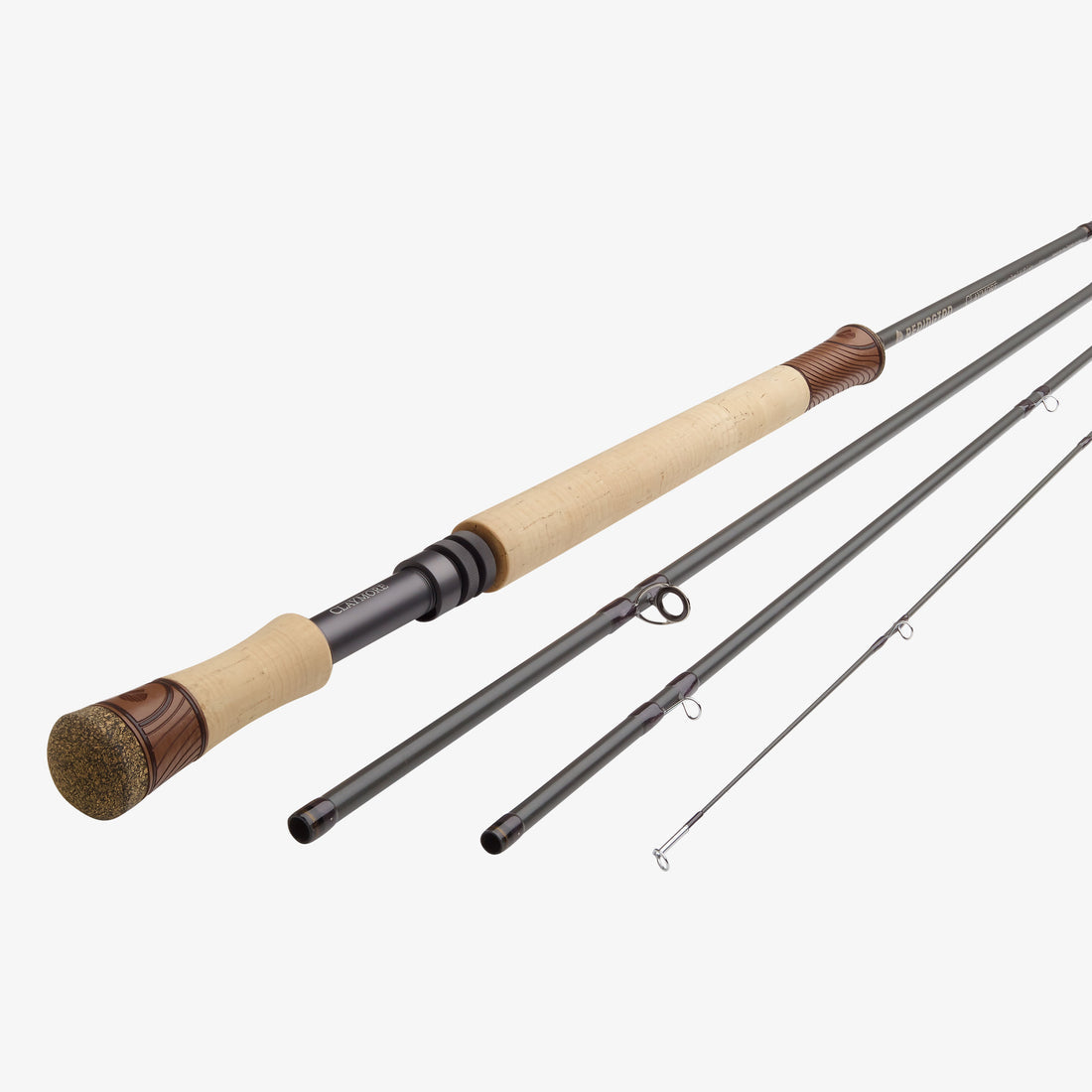
Start by matching the rod to where you fish and what you throw most. For trout on rivers and creeks, a 9’ 5–6 weight covers the widest range. It mends across seams, protects light tippet for dry fly work, and still has enough backbone for light streamers or a two-fly nymph rig. If your home water is small and brushy, look at 7’6”–8’6” 3–4 weights; the shorter length keeps backcasts out of the willows and loads quickly at 20–35 feet. On wide tailwaters or stillwaters, a 9’6”–10’ 5–6 weight adds reach for longer mends and clean roll casts. Warmwater lakes and big western rivers call for more muscle. A 9’ 7–8 weight turns over bigger patterns, deals with wind, and steers bass or carp away from weeds. If you spend time on the coast or chase stripers in heavy surf, an 8–10 weight with a true fast Action and salt-safe components holds up to hard use and strong currents. Anglers who swing flies for steelhead often pick two-handers; spey rods in the 12’6”–13’6” range with 6–7 weights shine for summer runs, while 7–8 weights are common for winter flows and heavier tips.
Length and action shape how a rod feels. Fast actions make tight loops and help in wind, long leaders, and with weighted rigs. Moderate-fast actions load deeper and are easier to time at typical fishing ranges. If you fish short and close, a slightly softer tip gives cleaner drifts and helps protect light tippet. If you fish big water, heavy streamers, or need to pick up 40 feet of line and change direction fast, faster actions save the day. Pay attention to balance too. Mount the reel you plan to fish and hold the outfit with 30–40 feet of line beyond the tip. If the tip wants to dive, pick a slightly heavier reel or a model with a down-locking seat to bring the fulcrum back toward your hand. That small change cuts fatigue over a long day.
Sale pages can feel crowded, so filter by use first, then by price. Decide between freshwater and salt, then pick a weight class based on your flies and average fish. From there, compare actions and lengths across brands. Sage, Scott, Orvis, Redington, and G Loomis often rotate into sales, and each maker tunes feel a little differently. If casting style is quick and compact, look for crisp recovery. If your tempo is smoother and you fish closer, a deeper load will feel more natural. If you are trying European-style nymphing, a 10’–10’6” 2–4 weight with a light tip and steady lower third helps with strike detection and quick lifts. If you want a travel-friendly setup, four-piece models pack well and track cleanly; modern ferrules are reliable when seated and checked a few times a day.
Lines and leaders finish the system. A true-to-weight Fly Line with a longer front taper lands softly for dries. More aggressive heads help lift nymph rigs and turn over sink tips. On lakes or big rivers, consider integrated sink tips or full-sink Lines that match your depth goals. Freshwater Leaders in 9–12 feet handle most trout work; step up to stronger butt sections and shorter leaders when throwing wind-resistant patterns. For salt use, rinse gear with fresh water after every trip. Look for stainless steel guide wraps and reel seats designed for corrosion resistance. Many sale rods still carry full factory warranty support, but not all; check the brand’s terms and keep your proof of purchase so service is easy down the road.