
Explore Saltwater Fly Fishing Rods





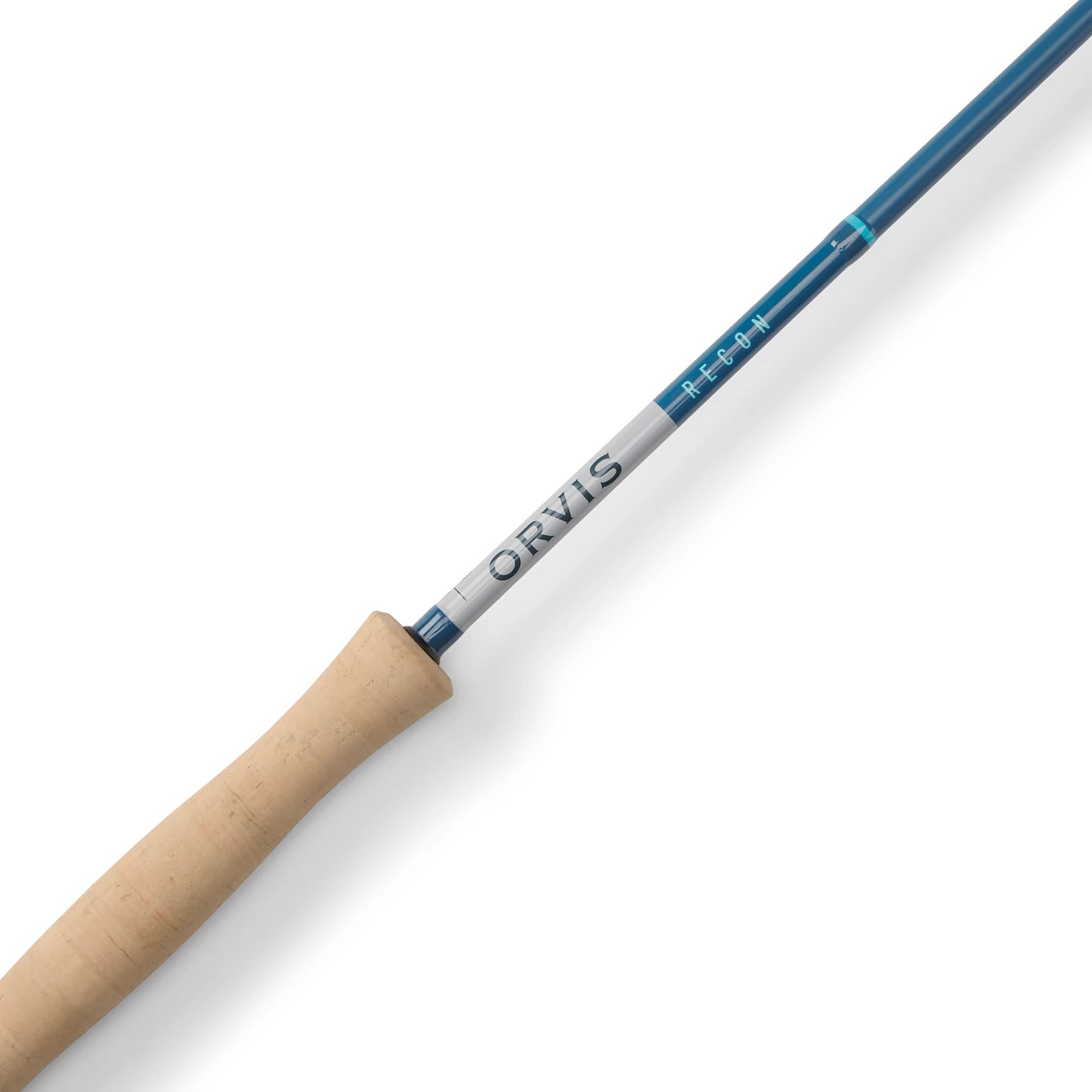
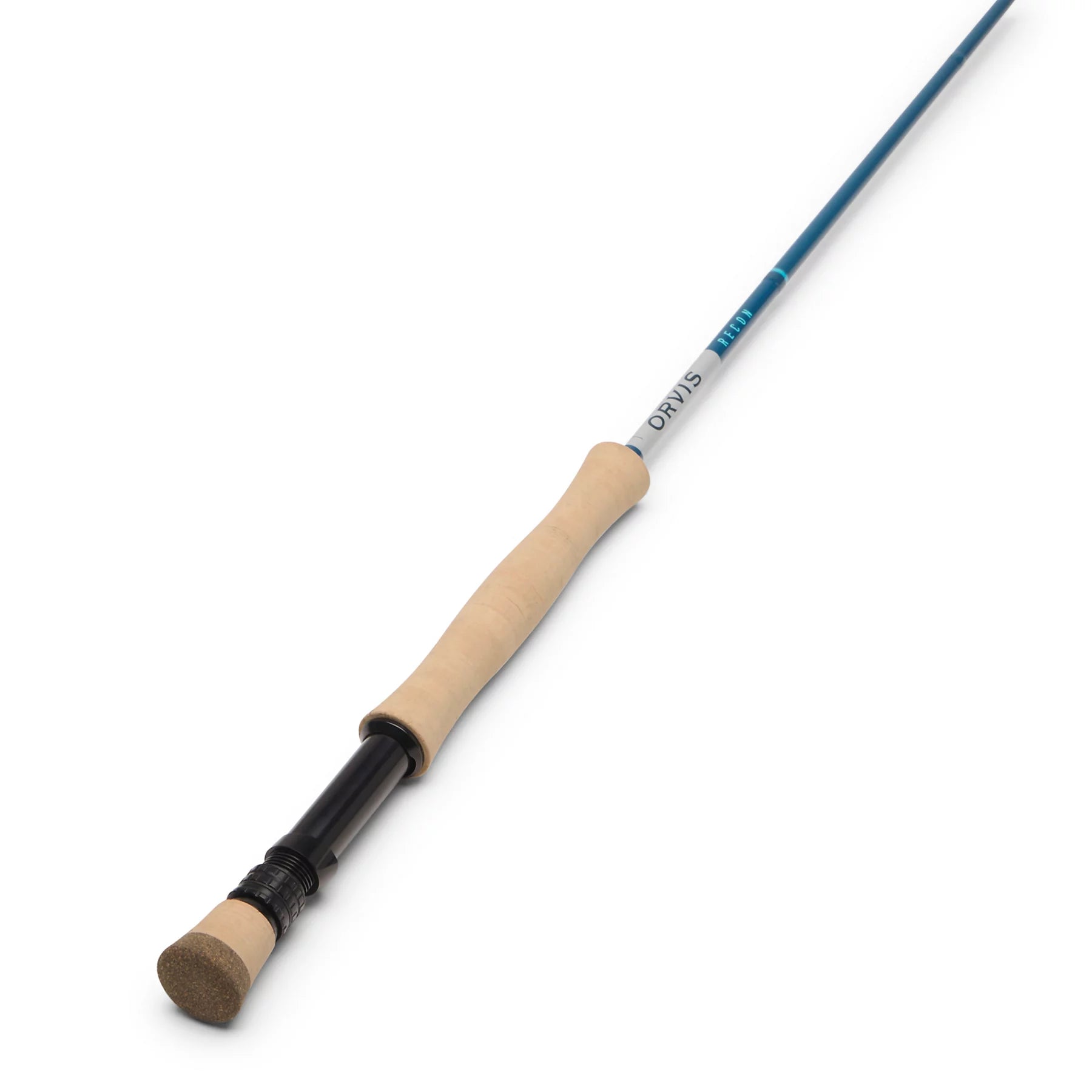


What You Need to Know About Saltwater Fly Rods
Saltwater fly fishing is about reading light, current, and wind on open water, then placing a fly in front of a moving target before the window closes. On flats, in surf, and around mangroves, a purpose-built saltwater fly rod helps you turn over big flies in strong winds, pick up and shoot line quickly for a second shot, and lean on fish without stressing leaders. Think bonefish tailing in knee-deep water, permit sliding across turtle grass, and tarpon rolling in channels. In the Northeast, schoolie stripers on sandbars become 20- to 40-pound fish blitzing bait off jetties by mid-summer. These scenarios share two constants: wind and the need to move a fly with authority. That is why saltwater fly rods lean toward faster actions, corrosion-resistant components, and fighting butts with real power for clearing line and lifting. If you’re coming from a trout background, expect more backbone and a quicker recovery that rewards compact, decisive strokes.
Translating specs into plain language starts with line weights and length. For bonefish, sea-trout, smaller redfish, or schoolie stripers, a 9’ 7–8 wt is the sweet spot when flies are typically #4–#8 and shots are 40–60 feet; an 8 wt is the versatile choice if you want one outfit for general flats travel. When heavier crab patterns, more open water, or persistent wind are the norm, 9’ 9–10 wts stabilize the loop and carry more line without collapsing; many permit specialists prefer a 9 or 10 to lift weighted crabs cleanly and punch into a breeze. For tarpon, 11–12 wts pair with stout leaders and big streamers, giving lifting leverage at close range and control during long fights; step to a true 12 if fish average triple digits or you’re working deeper channels. Surf anglers who need reach for mending and line control often favor 9’–9’6” in 9–10 wt, while back-country skiff anglers sometimes like an 8’6” option for quicker direction changes under a low backcast window. Across brands, the common thread is a fast to fast-moderate action that turns over big flies and recovers quickly for rapid re-casts.
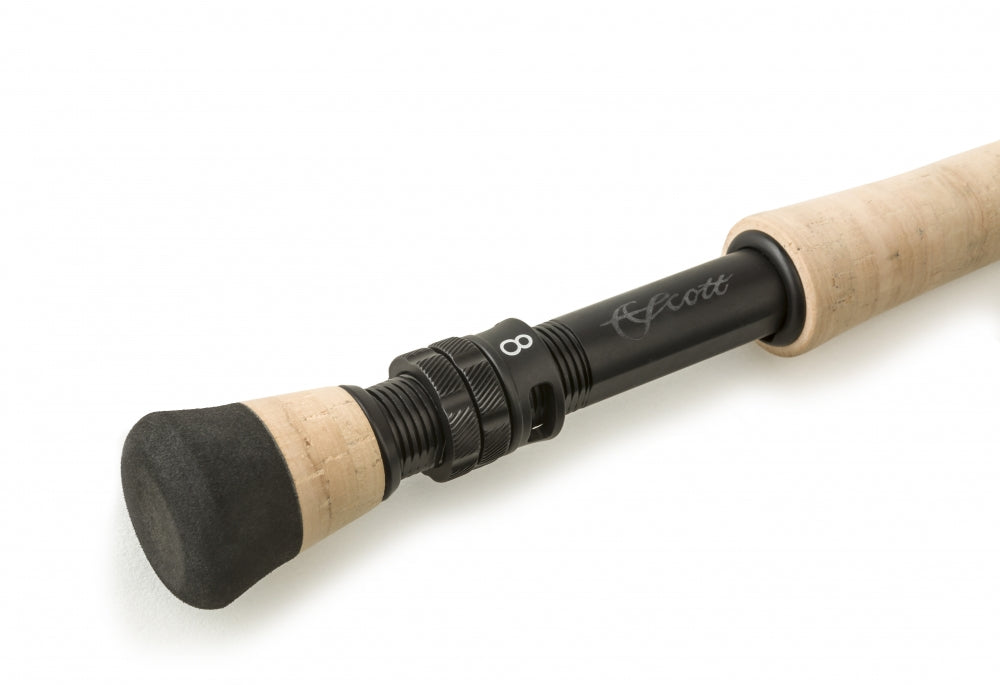
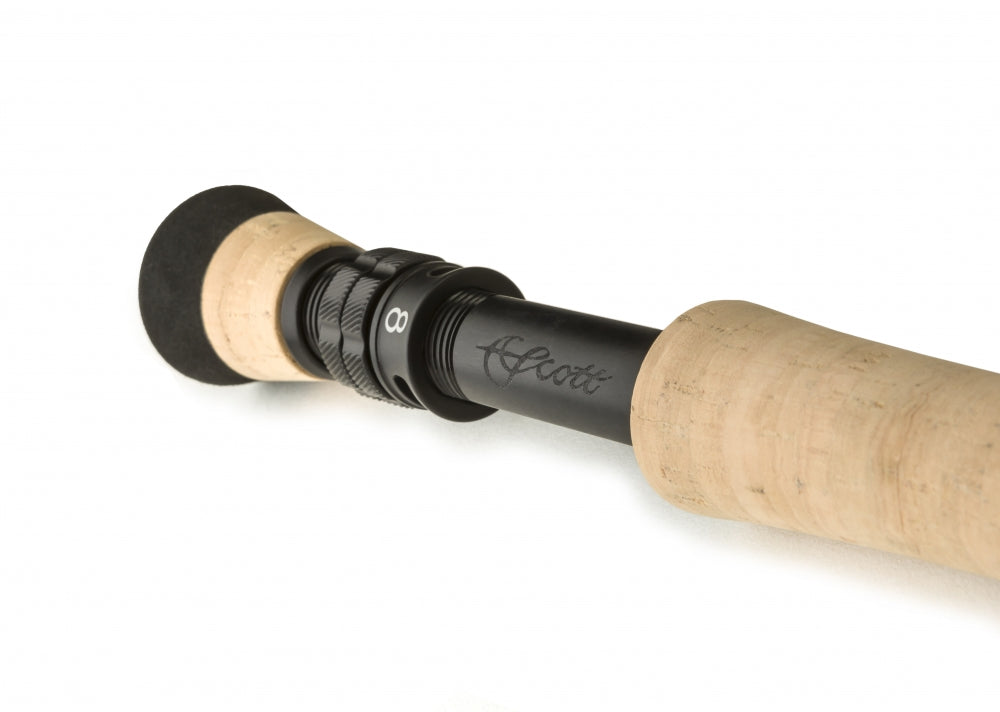
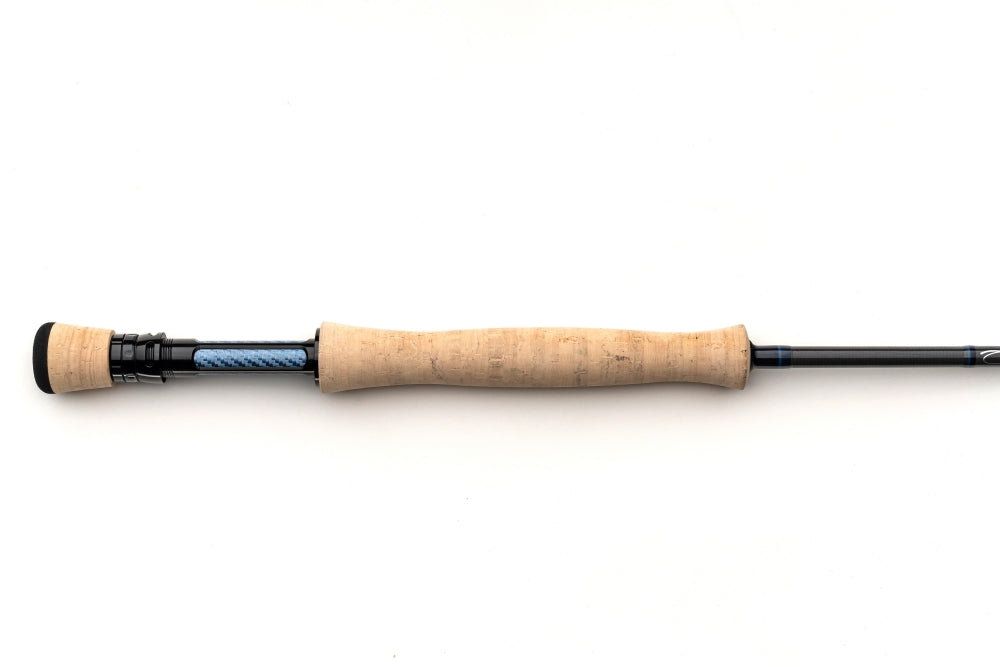
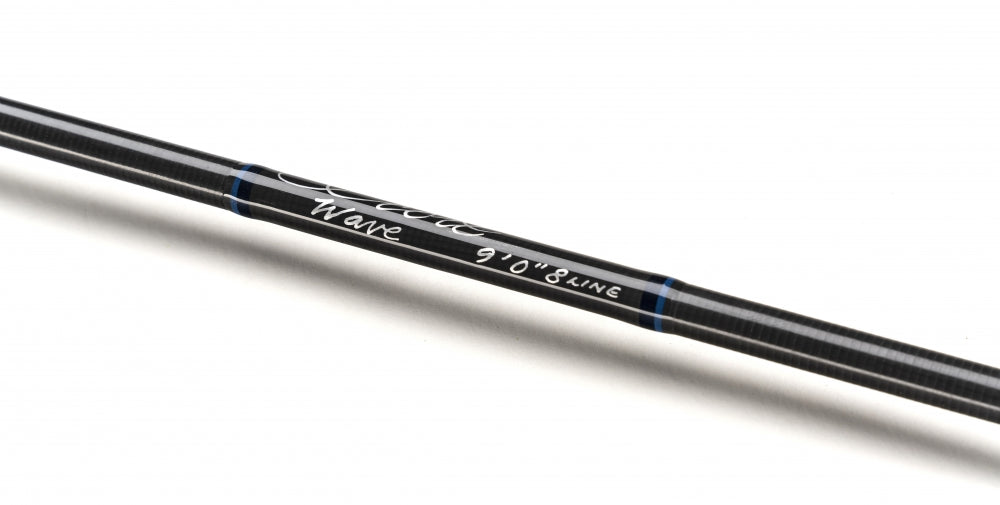
Selection comes down to target species, average shot distance, and how much wind you see. If most of your presentations are inside 50 feet in shallow, calm water with skittish fish, a fast-moderate blank that loads a bit deeper helps you feel the line sooner and land quietly. If you sight-fish on open flats where windy conditions are common, a crisp, fast 8 or 9 wt that can pick up 40 feet and redirect immediately keeps you in the game; pair it with a taper that matches your casting tempo rather than the most aggressive option on the shelf. When big flies, poppers, or sink tips come into play for stripers or snook, bump the weight one step for better turnover and anchoring. Dedicated tarpon anglers should bias toward 11–12 wt rods with fighting butts you can really lean on; if you’re chasing a Grand Slam with one setup, a 9 wt is the pragmatic middle that won’t leave you under-gunned for permit or over-matched on bonefish. Modern builds such as Sage SALT R and Scott Wave show the current standard: salt-ready hardware, quick recoveries, and deep reserve in the lower third. Whichever model you choose, balance the outfit with a sealed-drag reel so startup is smooth when a fish accelerates or changes direction at the boat.
Care and durability matter more in salt than anywhere else. Rinse the blank, reel seat, and guides with fresh water after every outing, especially if there’s dried salt on the stripping guides. Don’t store a damp rod in a case; let ferrules dry, wipe them clean before assembly, and check alignment marks periodically through the day because repeated quick shots can work sections loose. Warranties differ by maker and often require a date of purchase for service, so register where applicable and keep documentation with your travel kit. Bundle promotions like a FREE Fly Line can be good value, but a taper that matches your casting stroke and typical flies is worth more than a freebie that isn’t the right profile. When comparing prices, consider total setup cost rather than only the rod tag—line, backing, leaders, and terminal components add up—and remember that the best saltwater fly rods are the ones you can control under pressure, not the ones with the highest number on a spec sheet. If you’re unsure, a short conversation with an experienced outfitter about your casting tempo, destination wind, and target species will narrow choices quickly.