
Scott Fly Rods



What you need to know about buying Scott Fly Rods
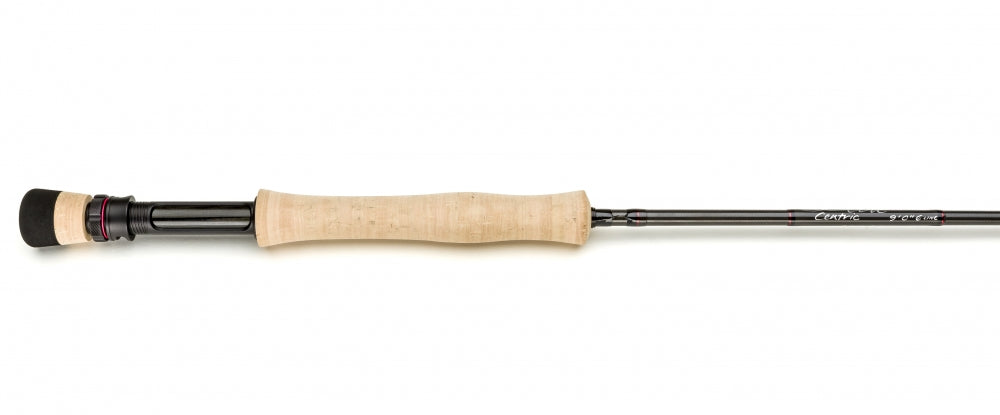
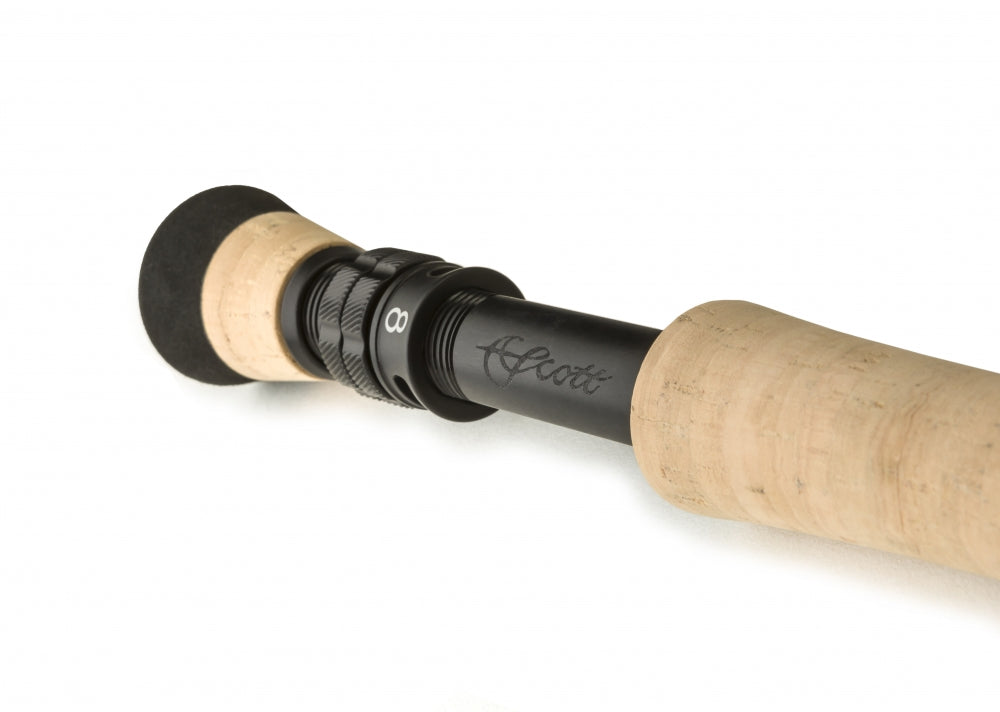
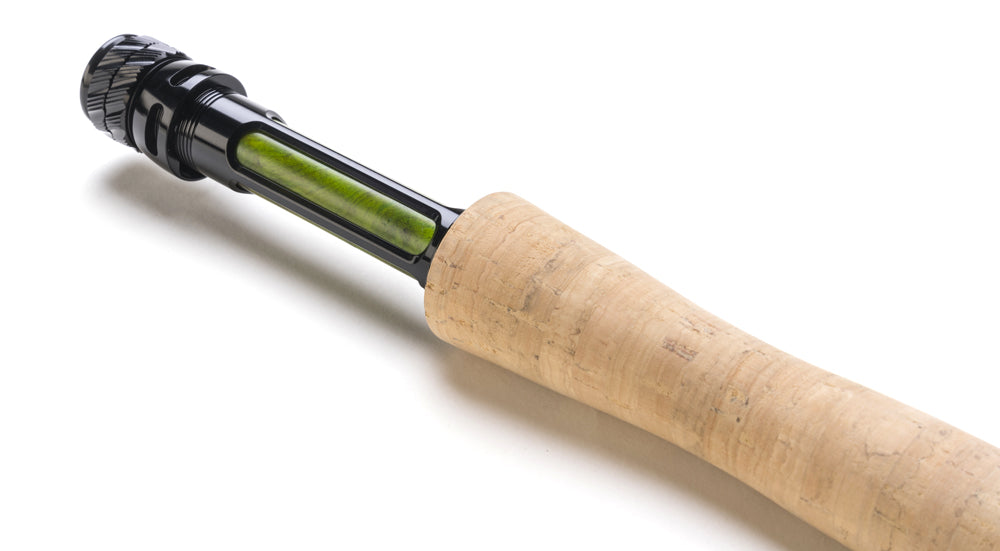
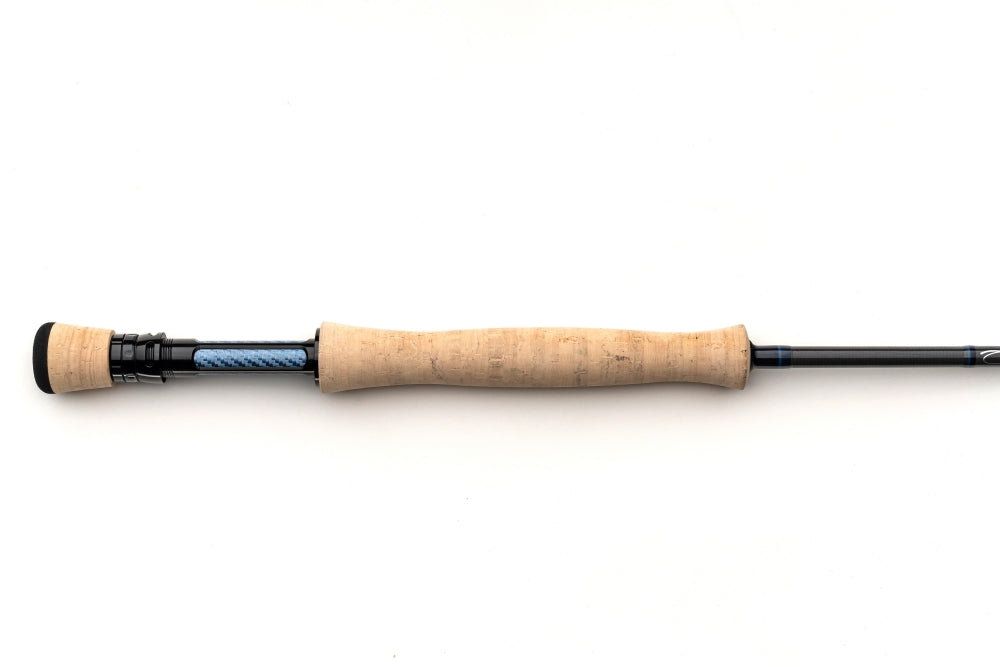
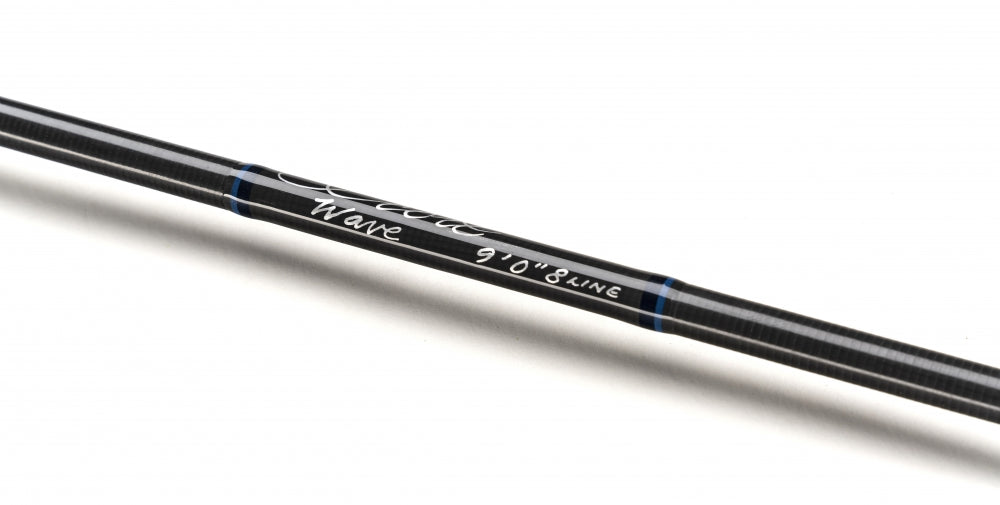
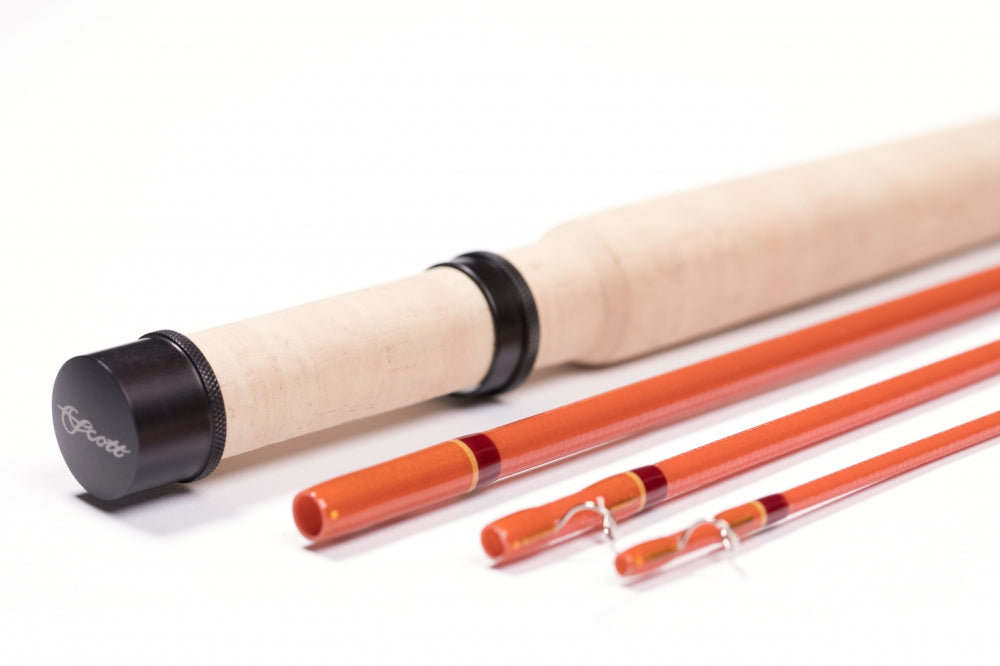
Scott Fly Rods are built for anglers who want a rod that feels alive in the hand, casts true on real water, and stays dependable for years. The Scott Fly Rod Company began with Harry Wilson and a small circle of people who obsessed over rod design; the story later moved to the Colorado factory in Montrose by way of Telluride in the United States. Under longtime leader Jim Bartschi, Scott kept the maker’s ethos small and focused, refining Materials and the way each Material is used so the blank talks back without being twitchy. If you’ve heard friends call Scott an interesting company, that’s because the team still builds rods with craftsman intent rather than chasing trends. From the cult classic Scott G Series to newer Scott High Performance Fly Rods that many guides call Ultimate Fishing Tools, the through-line is simple: a calm, confident feel that helps you fish better, not just cast farther in a parking lot.
On the water, most Scott rods favor a tuned, progressive bend that loads at fishing distances and recovers cleanly. That balance gives you tight high line speed loops when you need to punch into wind, yet enough touch to land a fly softly on flat water. Think quick but not harsh, fast action when asked, and feedback you can actually feel through the cork. It’s why you’ll see a series of rods that cover everything from dry-fly presentation to heavy tips and longer carries, without forcing you into a single tempo. The company’s rod design choices reward a smooth stroke and a crisp stop, so the line tracks straight and your leader turns over with less effort. Many Scott rods have become the choice of fish-bums who want dependable tools more than hype, and anglers often say they find the right rod by matching the way they cast to the water they fish most. If you want to take your casting to the next level, the best path is still fit and practice, not a spec sheet.
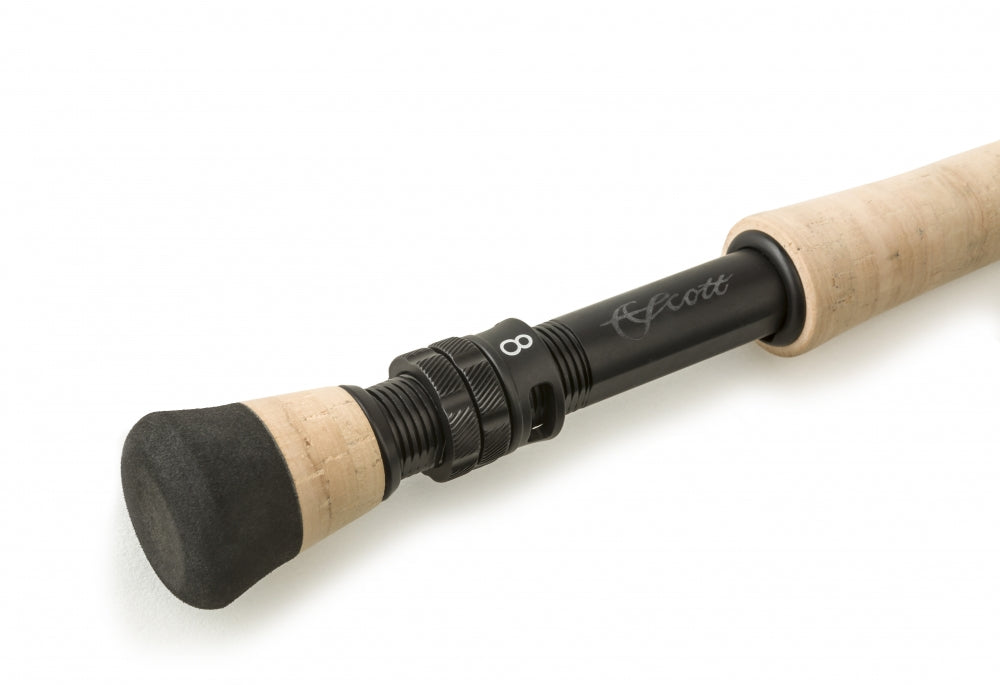
Picking your size is easier when you start with purpose instead of models. For everyday trout, a 9-foot 5-weight fly rod remains the friendly first pick because it balances presentation with control on mixed rivers. If your home tailwater favors long leaders, two-fly rigs, and reach mends, consider a 9½- to 10-foot 4- or 5-weight to buy drift time and reduce false casts. Boat fishing asks for quick, repeat shots; many anglers step to a 9-foot 6- or 7-weight so they can pick up more line and hit the next target in one motion. When steady wind or bigger flies are part of your day, moving from a 5 to a 6 keeps loops tighter with less work. If you are chasing Salmon or pushing into river mouths and light surf, 8- and 9-weights with salt-ready hardware are a smart hedge. Pair with {{ANCHOR 1}} to balance swing weight and keep the tip quiet on longer carries, then dial your head and taper with our {{ANCHOR 2}} so the line matches your casting tempo and the flies you actually fish. Round out the outfit with a balanced reel—steady Reels protect light tippet—and Leaders that match your water and wind; one well-built outfit, or a couple of complementary Outfits, will serve you better than chasing every niche.
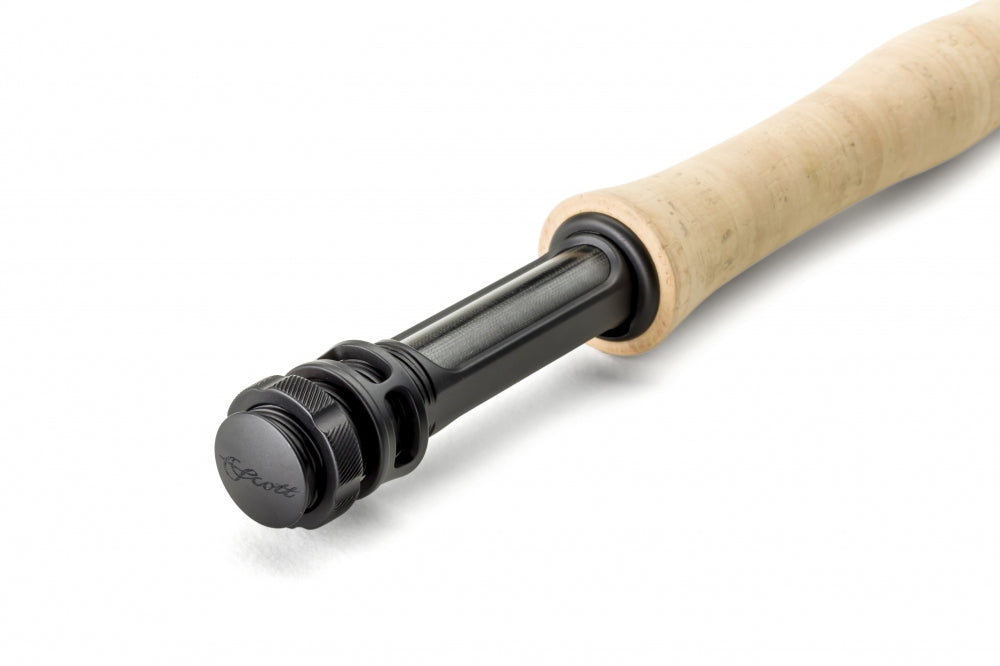
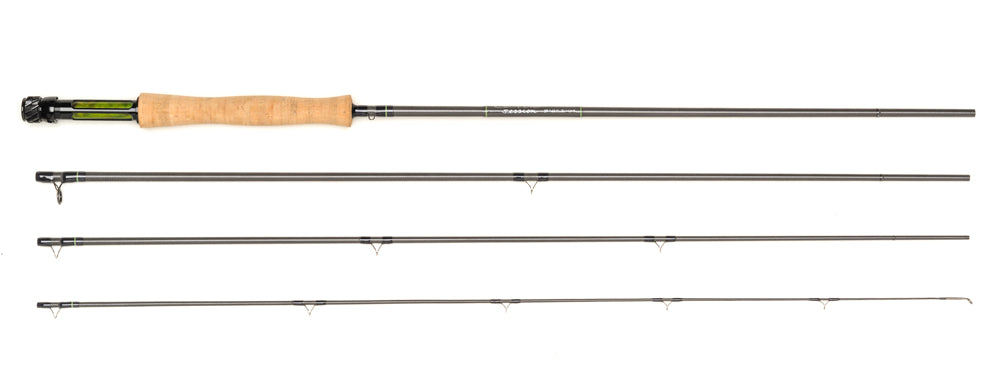
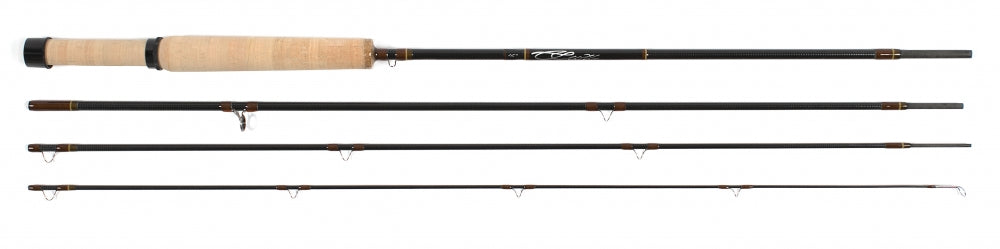
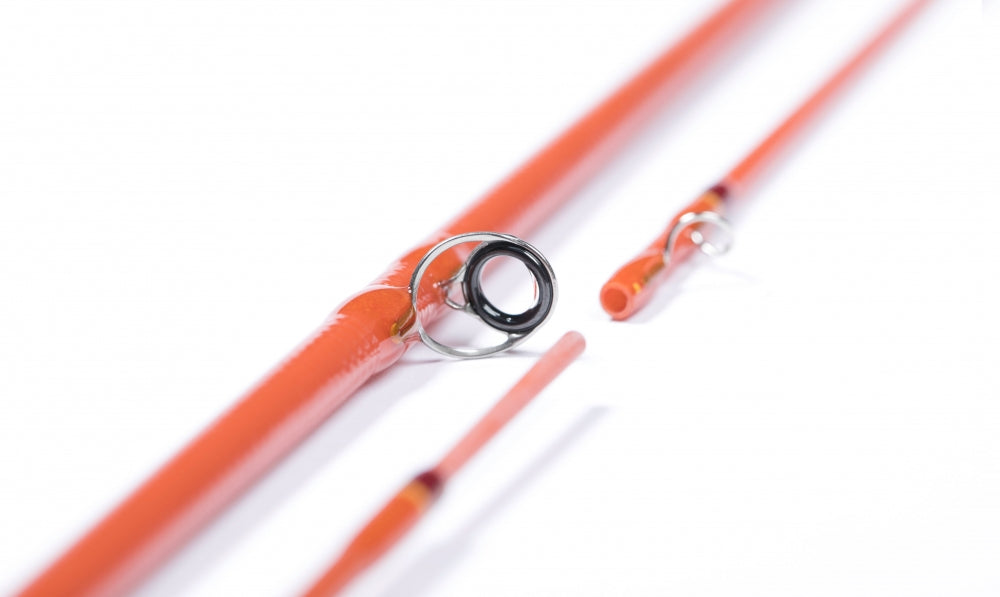
Navigating Scott is really about feel and environment. If you want the most delicate presentations, look for the builds that emphasize touch and timing; if you throw heavier flies, like to drive line at distance, or fight gusts, lean toward options that read as quicker and more stable under load. Scott rods live in that space between finesse and backbone, so the right match will make your whole outfit feel easier. For travel or hike-ins, pack a four-piece fly rod and a compact reel pouch so the kit rides light; the same blank can do different jobs when you swap a line or adjust Leaders by a size. If you’re outfitting from scratch, start with the rod that fits your water first, then add a reel and leader system that balances it. That’s the way guides and experienced anglers build Outfits that see the most success across seasons.
If you’ve been around the scene, you know this company’s story is part of the larger fly-fishing world. You might have first heard of Scott in a Mad River Outfitters video out of Columbus, Ohio, or in a shop talk thread about Montrose and the Colorado factory; some readers arrive here from a newsletter Request, a link in Emails, or even an email sign-up form that uses platforms like Constant Contact where an Email Privacy Policy sits at the bottom of every email and you grant permission to hear from a brand. However you found us, our business is helping people choose the right rod, not collecting clicks. If you’re local to Ohio and drive past Bethel Rd., or you’re in Colorado near Telluride, or anywhere else, the steps are the same: try a couple of Scott rods, pay attention to feel, and build the Product around the fishing you actually do. When you’re ready to purchase, check current promos like FREE SHIPPING if offered, place orders with confidence, and keep an eye on order updates; the details matter, but a well-fit outfit matters more. If you prefer a conversation over a page, our team and guides are happy to talk products, pack lists, and practical tune-ups so you leave with an outfit that works on day one.