
TFO Fly Rods
What you need to know about buying TFO Fly Rods
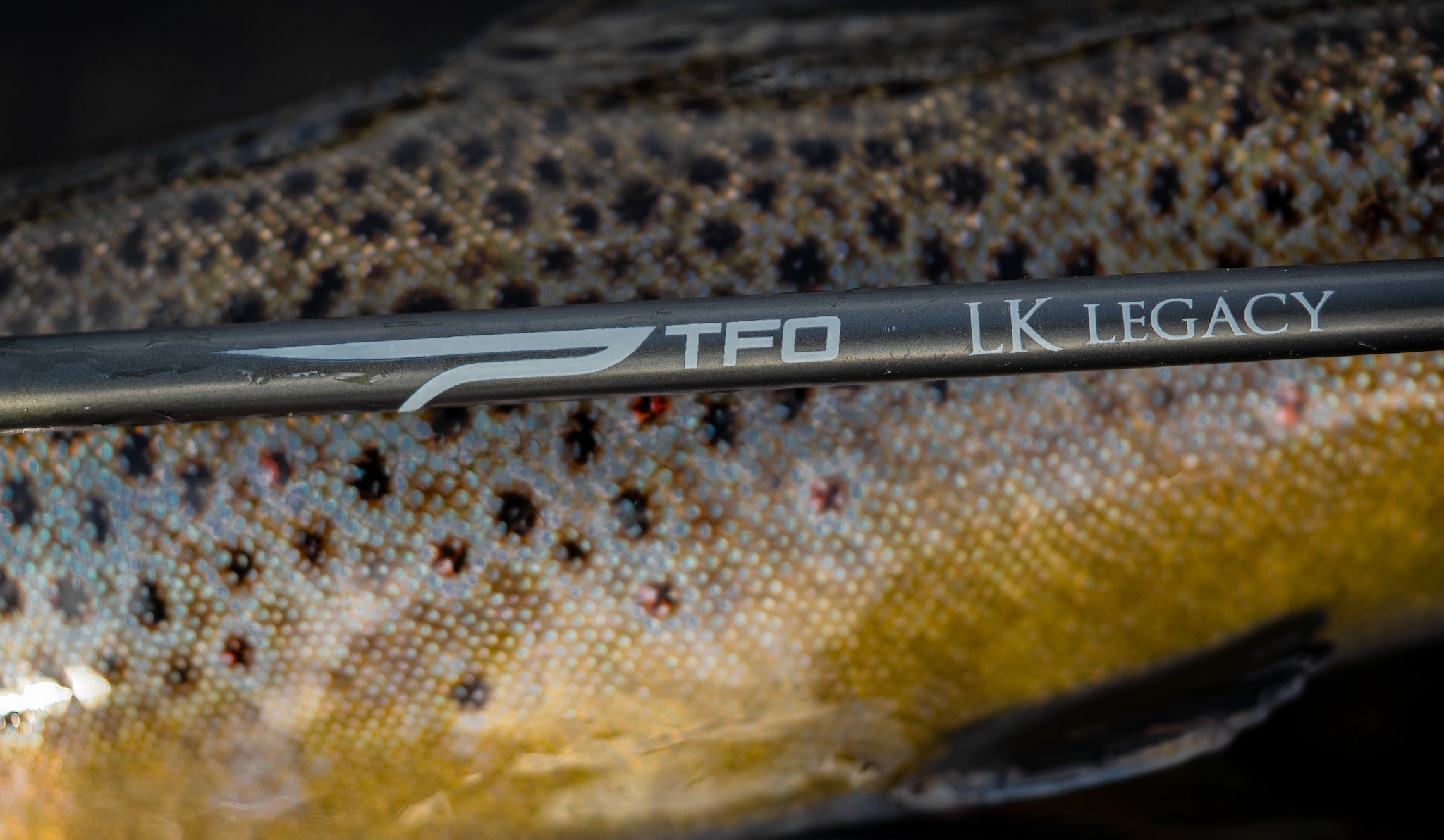
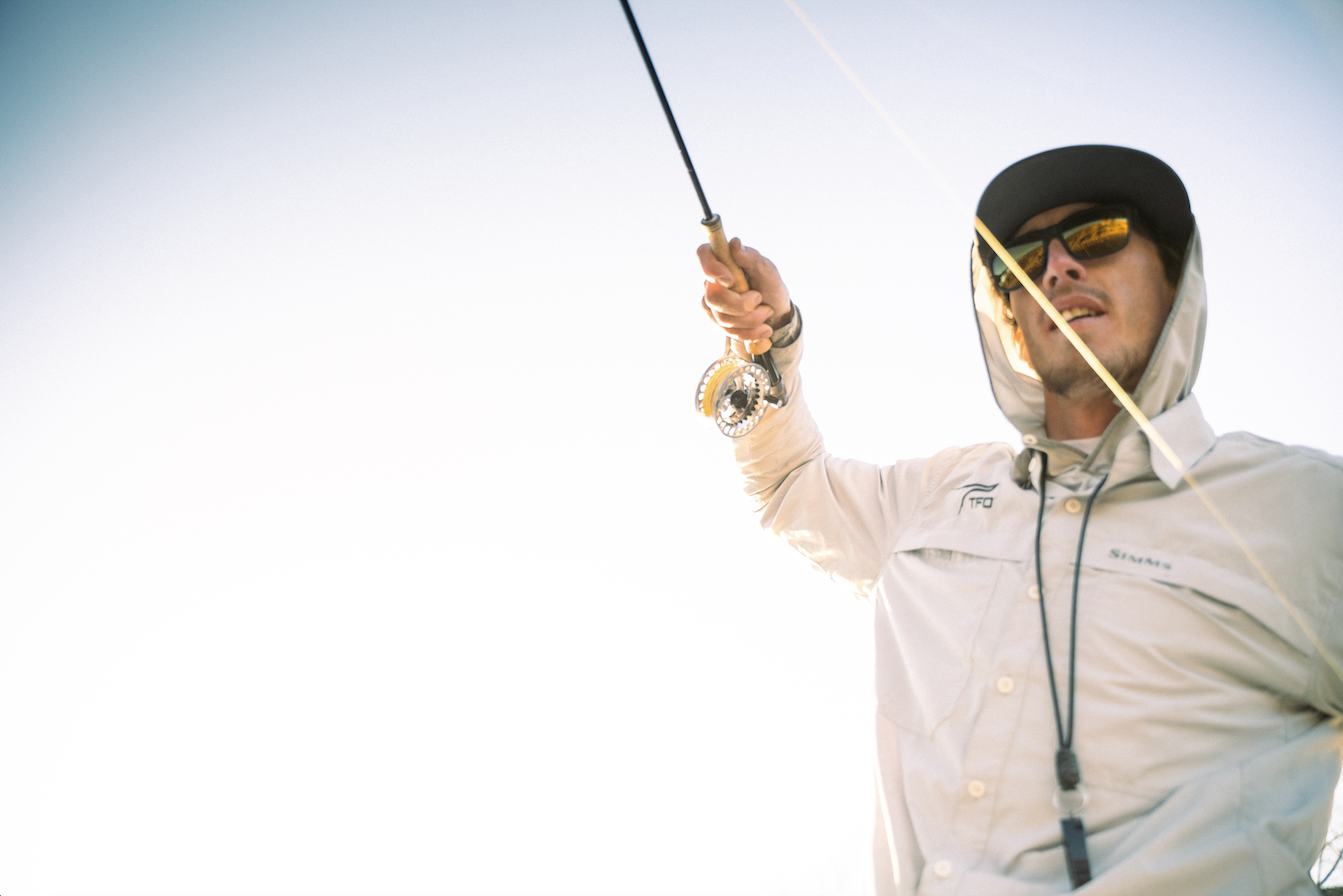
TFO builds rods for anglers who want real-world performance, simple choices, and prices that make sense. The letters stand for Temple Fork Outfitters, a company shaped over decades by guides, teachers, and traveling fish bums who care more about casts on the water than hype in the market. Much of the design philosophy comes from voices you may know. Rod designer Lefty Kreh pushed for tapers that are easy to learn and hard to outgrow. Flip Pallot brought quiet confidence and flats wisdom. Advisory Staffer Blane Chocklett pushed big-fly thinking, while Jake Jordan carried lessons from bluewater. Even TFO National Advisor Jason Randall reminds us that good casting is about timing and drift, not magic. That mix of knowledge and enthusiasm still guides the brand today. If you follow brand events, news, products releases, you will see familiar names and new ideas arrive as steady refinements, not gimmicks. In hand, most TFO rods feel crisp but not harsh, quick to recover in wind, and honest about what your stroke is doing, the kind of tool that helps you fish better in less time.
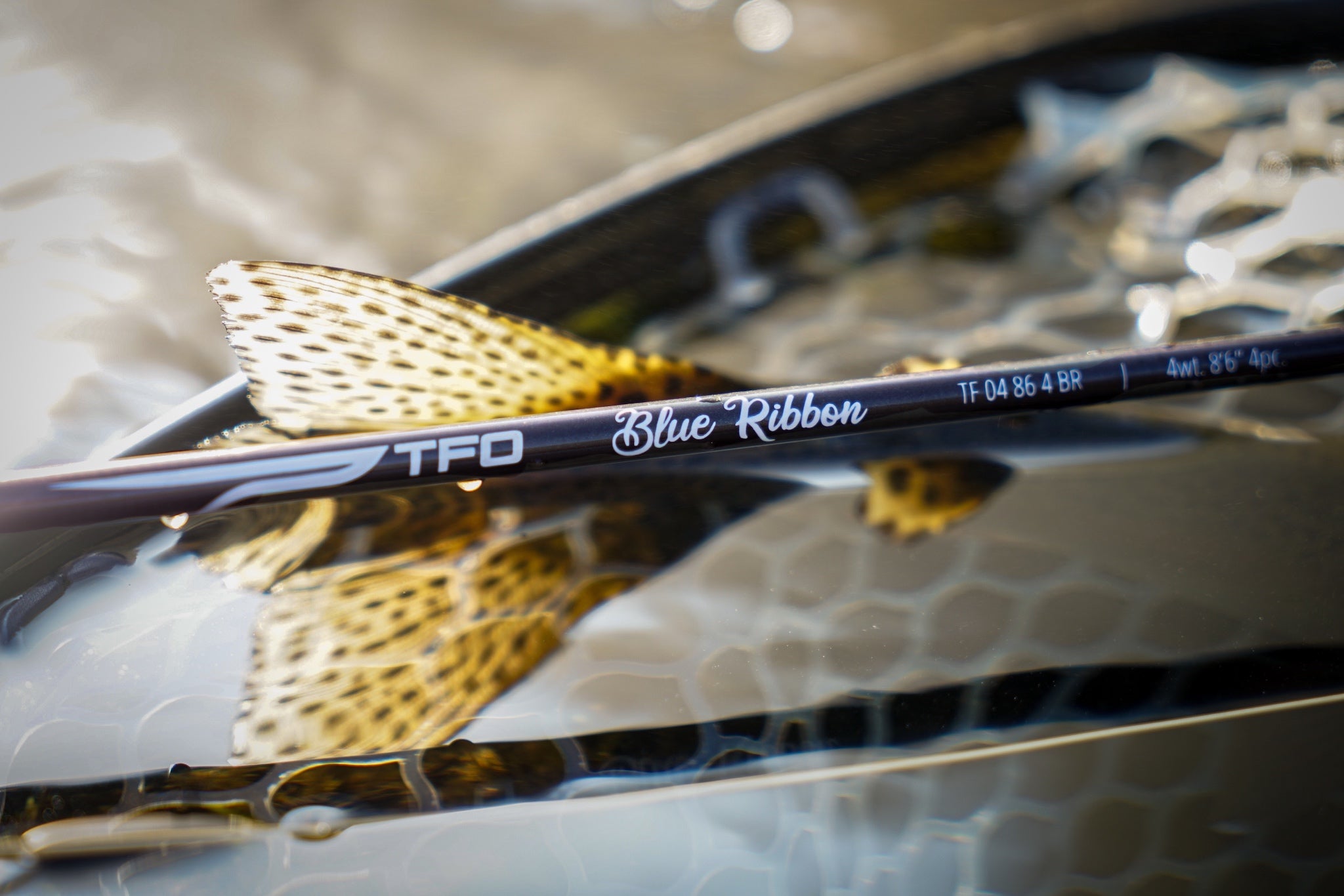
Think of a TFO rod as a perfect tool for the way you actually fish. In plain language, many tapers load easily at fishing distances, form stable loops, and settle fast when you press for more Line. That matters on a real river with mixed current and brush behind you, and on a windy flat where accuracy is everything. Some series lean toward touch for Trout and technical mends, others lean toward power for the biggest flies, sink tips, and long carries. You may see signposts like the Blue Ribbon series for all-around trout duty, the Stealth series as a Euro-nymphing specialist, a Moment series with more drive, and a two-handed rod series for swing water; treat those names as helpful markers, not homework. TFO also honors the teachers who got us here, so you will see subtle homage to classic feels without giving up modern durability. Materials and build are kept practical and tough, because Guides need Tools that survive busy seasons. Details matter, right down to simple wraps, hardware, and the unglamorous stuff—resins, Glue, Glues, and finish that hold up under hard use.
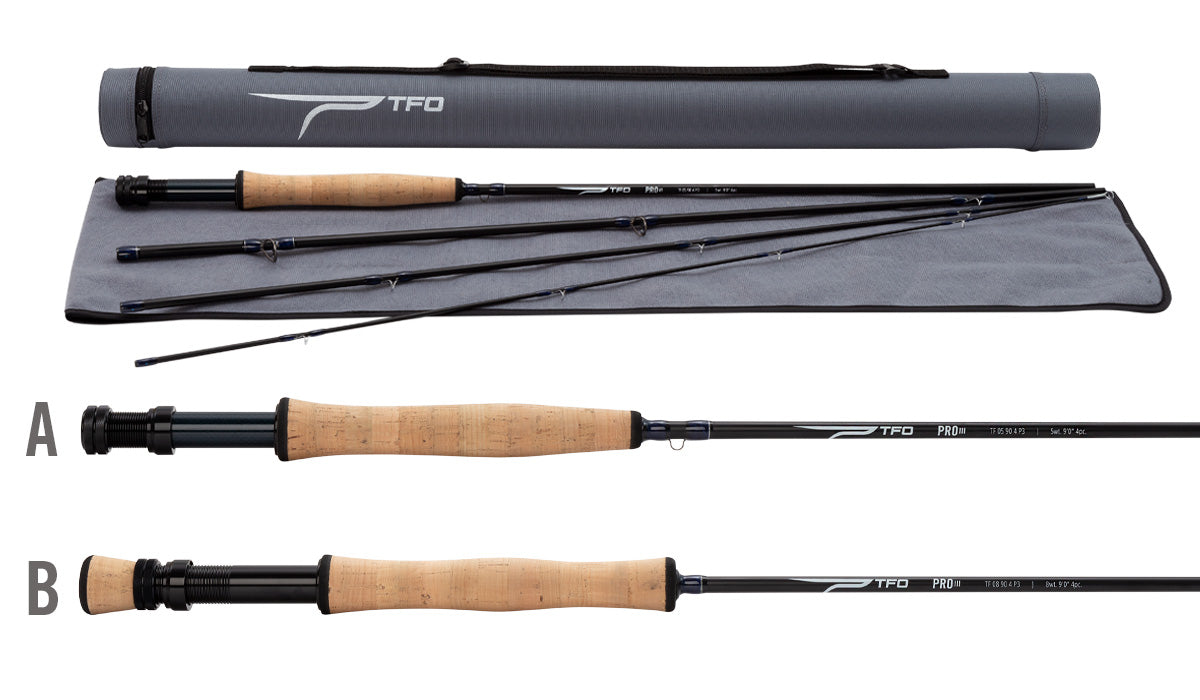
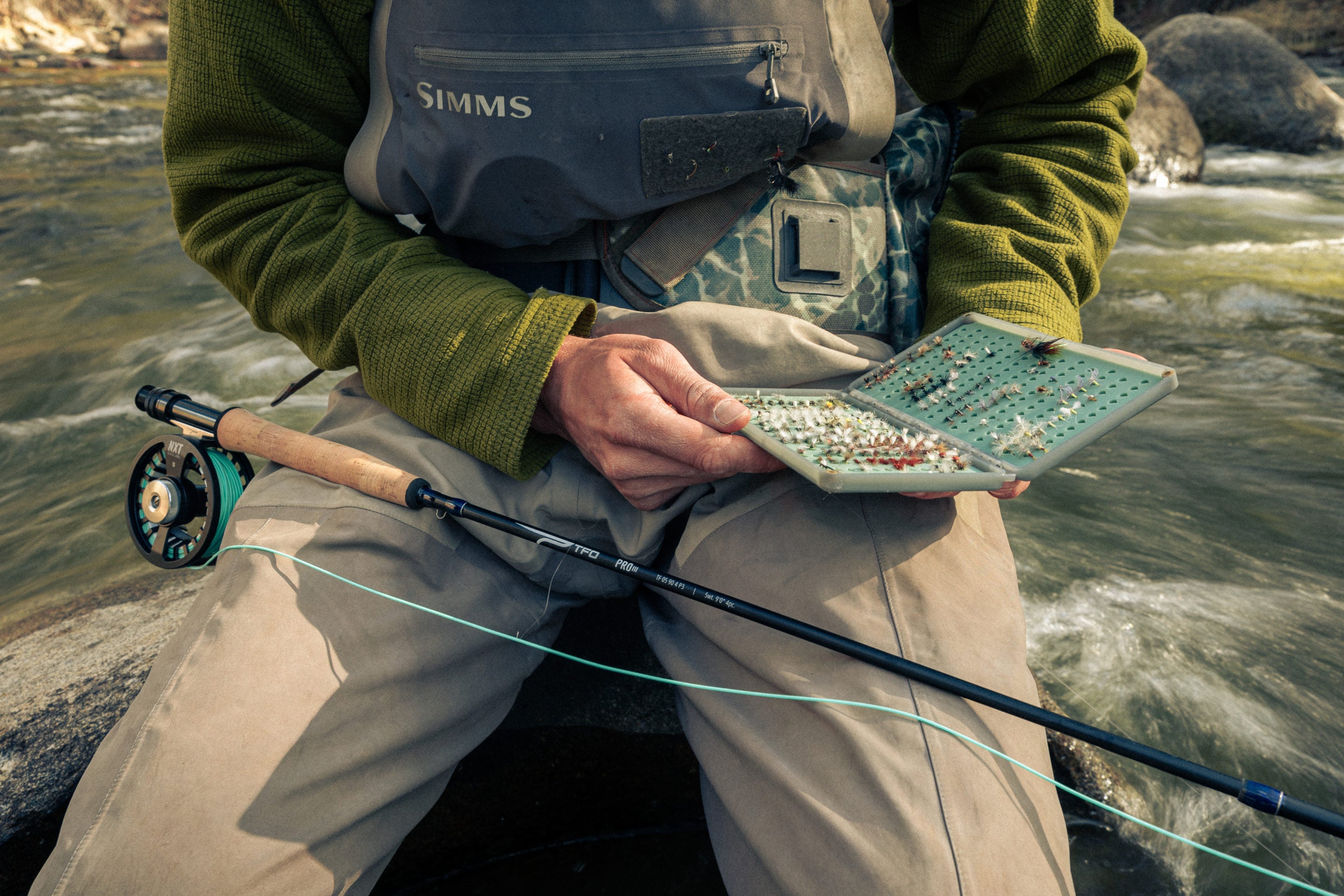
Choosing the right length and weight starts with your water and your flies. For mixed trout rivers, a 9-foot 5-weight rod is the easy first pick because it balances presentation with control. If your home tailwater runs long leaders, indicators, or two-fly rigs, a 9½- to 10-foot 4- or 5-weight buys reach for mends and drift time. Boat fishing often calls for quick, repeat shots from awkward angles; many anglers like a 9-foot 6- or 7-weight because it picks up more line in one motion and resets fast. When steady wind is part of your season, stepping from a 5 to a 6 lets you carry more fly line with fewer false casts. If your year includes river mouths, estuaries, or flats, Saltwater fly fishing in the 8- to 9-weight range keeps you ready for brine and stronger runs. The demands of offshore fly fishing are different still; heavier sticks, bigger heads, and serious backing help you stay in the game when a fish sounds deep. If Bass and warmwater are your thing, keep an eye on patterns, not just species; poppers and meat want a little more backbone than small dries. While TFO also builds great bait and spinning Tools, this page is about fly rods, so we’ll keep the focus here. Pair with {{ANCHOR 1}} to balance swing weight and keep your tip quiet on longer carries, then dial your head and taper with our {{ANCHOR 2}} so the Line matches your stroke, fly size, and normal casting range.
Inside the brand, navigation is simple when you sort by feel, environment, and Price. If you want the lightest swing, fast recovery, and max feedback, you are looking for the “flagship feel.” If you want a tough worker that can take knocks in the drift boat, reach for the value lane that favors durability and all-season use. For tide lines and travel, pick salt-forward builds with parts aimed at corrosion and long runs. None of this asks you to memorize specs. Start with purpose—Trout, Bass, or salt—and the distances and winds you see most days. Then choose a weight and action that reward your stroke. A firm, high stop and quick tempo point you toward faster-feeling TFO options. A calmer tempo and close-range fishing steer you toward more feel. After that, fine-tune with Line. A compact head wakes up short casts under trees; a longer head smooths carry and accuracy across big water. The same Reels, Reel, and Leaders can feel very different in conjunction with a new taper, so test before you decide. If you spot a banner for FREE SHIPPING during a promotion, enjoy the bonus; still, let fit, performance, and your own ability be the reasons you buy. In a world full of items and specs, the best purchases are the ones that help you fish more and fight less with your gear.
A few last notes will save you time. Temple Fork Outfitters grew by making good value a habit, and good values a culture, not a one-time sale. That shows up in how the rods cast, how they travel, and how they hold up after many hard days on the water. TFO has always served the broad market of anglers who want quality without pretense, and that reach includes beginners who need confidence, guides who need repeatable tools, and skilled casters who want precision without babying a blank. If you have questions about matching lines, backing, or spools, bring your Reels to the shop so we can cast outside. We will look at small details—grip feel, balance, head length—and make sure the outfit fits you. You will leave with a setup built for your pursuit, not someone else’s list.