
Winston Fly Rods
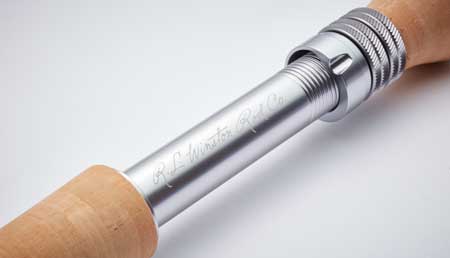
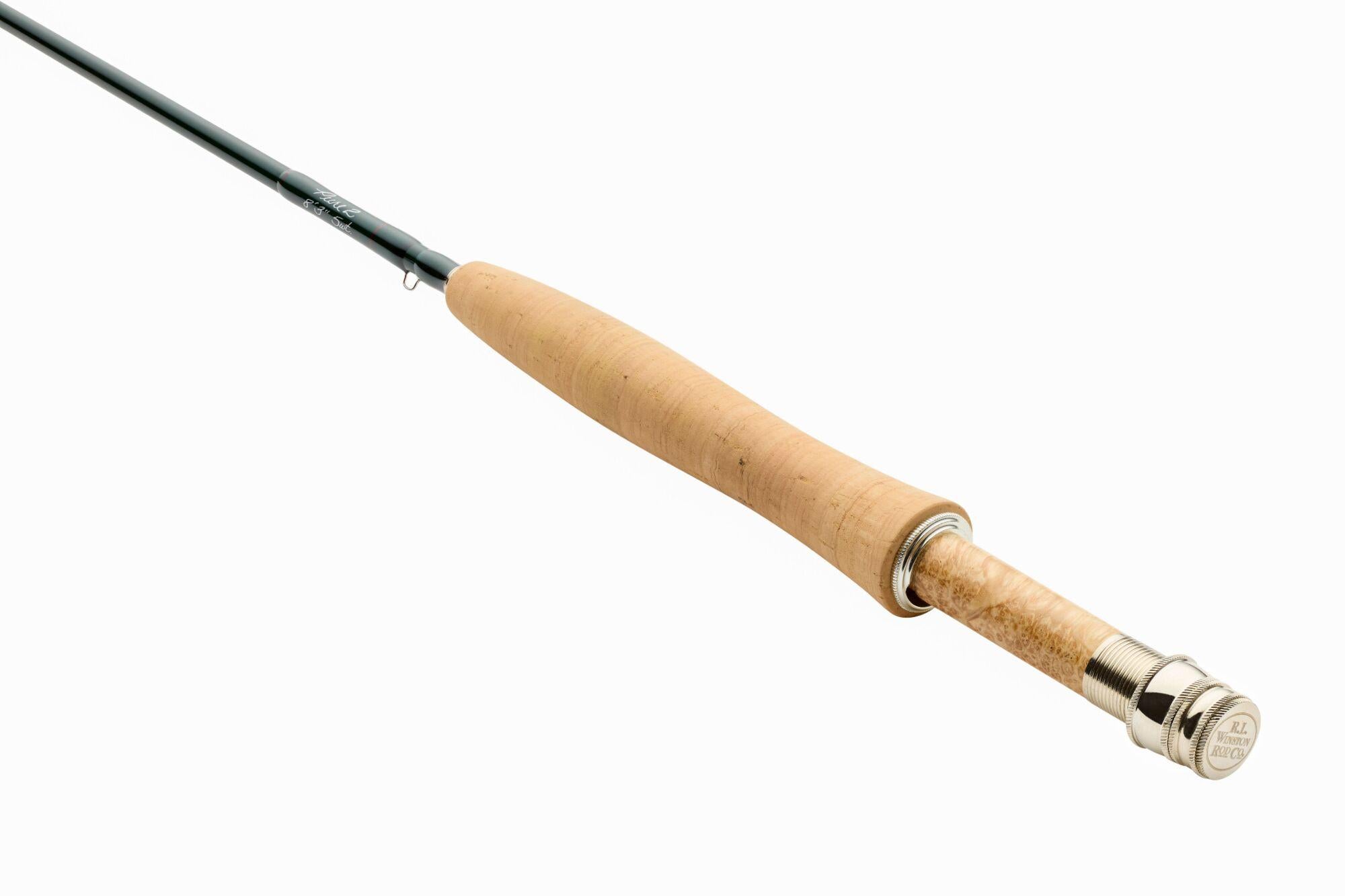
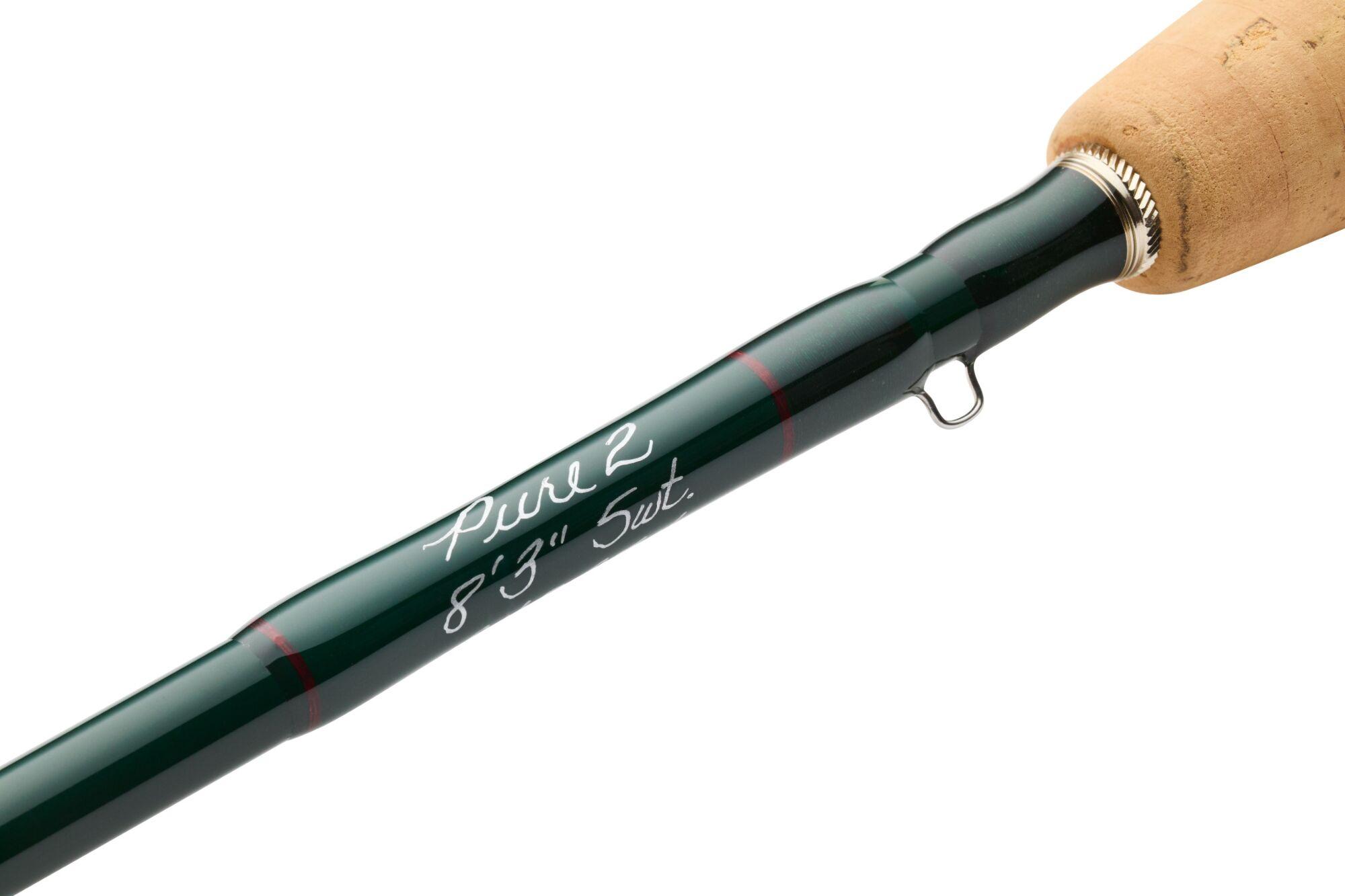


What you need to know about buying R.L. Winston Fly Rods
R.L. Winston Fly Rods are built for the angler who values feel, balance, and quiet control. The story starts with Robert Winther and Lew Stoner and grows in Montana, where the move to Twin Bridges shaped the brand’s voice on real water. That heritage still shows in the way a Winston rod bends and recovers. Think smooth, confident tempo that protects light tippet, holds loop shape, and rewards clean timing. Many anglers describe a calm, springy personality that helps with accuracy at fishing distances rather than only on the parking-lot long cast. The goal is simple: reliable performance you sense in the hand, from flat water dry-fly work to pushing a heavy streamer when the wind comes up. If you want exceptional craftsmanship with a practical focus on fish, Winston delivers a product you can grow with season after season.
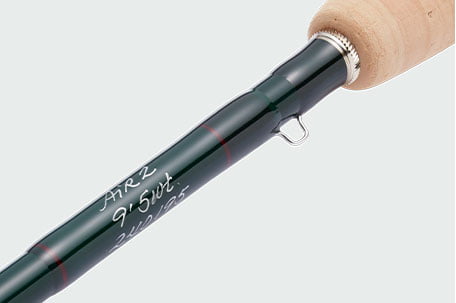
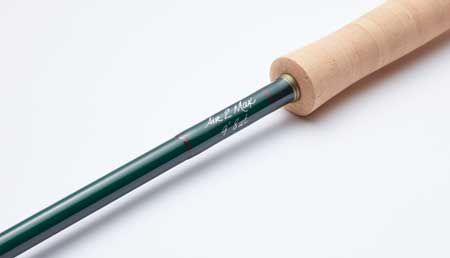
Design-wise, the feel tends to favor a lively, moderate-fast rhythm that keeps you connected to the cast without feeling rigid. That is why Winston Fly Rods show up so often in talk about presentation. When you need to present tiny dry flies to wary trout, they load in close and land softly. When you need to reach the far bank or lift more line to mend, they stay stable through the stroke. Names you might hear—Winston Air, Winston Pure, Alpha, MAX, and the beloved Tom Morgan Favorite—are signposts across the range, not a homework list. Air and Pure say “touch,” while Alpha and MAX hint at more backbone for bigger flies and tougher asks. None of those labels demand that you memorize specs. The brand’s promise is steadiness and feedback across the entire line, from everyday freshwater fly rods to tools built for pushy conditions. If you care about history, the R.L. Winston name carries through each build; that link from the past to the next generation is part of why Winston Rods have fans around the world.
Choosing length and weight starts with your water and how you fish. For most trout rivers, a 9-foot 5-weight rod is the safest place to begin because it balances control and delicacy across mixed hatches. If your home water is a tailwater with long leaders, indicators, or two-fly rigs, a 9½- or 10-foot 4- or 5-weight buys reach, drift control, and easier mends. Boat anglers who make quick, repeat shots often prefer a 9-foot 6- or 7-weight because it picks up more line at once and resets fast. On windy days or when you step up in fly size, moving from a 5 to a 6 can make the same distance happen with fewer false casts. When your plan shifts to light salt or river mouths, an 8- or 9-weight with salt-minded hardware keeps you ready for brine and longer runs. If your joy is small creeks and spooky fish, a shorter, lighter Winston rod helps you work under cover and keep loops tight. Pair with {{ANCHOR 1}} to balance swing weight and calm the tip during longer carries, then dial your head and taper with our {{ANCHOR 2}} so the line matches your casting tempo and fly size. Do not forget the rest of the outfit. The right reel, good Reels for spare spools, clean line care, and sensible Leaders all raise real-world performance.
It also helps to sort the family by feel and environment. If you want the most refined presentation tool, look for language that points toward the classic Winston feel, where touch and timing matter. If you want broader muscle for sink tips, wind, or bigger patterns, lean toward the choices that suggest added reserve. Freshwater tools handle the daily trout routine; salt-capable builds are better for brackish swings and tidal edges. Some anglers love the romance of history and reach for a Winston Fly Rod by name alone, while others read across R.L. Winston Rods and Winston Rods to find the balance that fits their river. You can set up a travel-ready quiver with one do-everything 5-weight and a second stick for wind or bigger flies. Or you can keep a single versatile rod and let your gear do more of the adapting. A slightly different line can wake up a cast in tight quarters, while a longer head can smooth things out when you need to carry farther. If you enjoy the tradition of names, you will still see R.L. Winston alongside “R.L. Winston - Rods” in catalogs or forums; the label may differ, but the intent is the same: practical tools made to fish.
A few buying notes can make life easier. If you are spooling a new reel, some shops offer Free Backing when you set up the outfit; nice, but the real value is fit. The way a product balances in your hand after a long day matters more than any single spec line. If you are comparing products across price points, pay for benefits you will actually use where you fish most. If history speaks to you, pieces like the Tom Morgan Favorite connect directly to the roots of the brand; if your focus is long days and mixed weather, a simpler build that shrugs off abuse may be the better choice. And if you are building out new gear from scratch, match the rod to the water first, then build around it with a reliable reel, smart Leaders, and lines suited to your rivers.