
Fly Rods
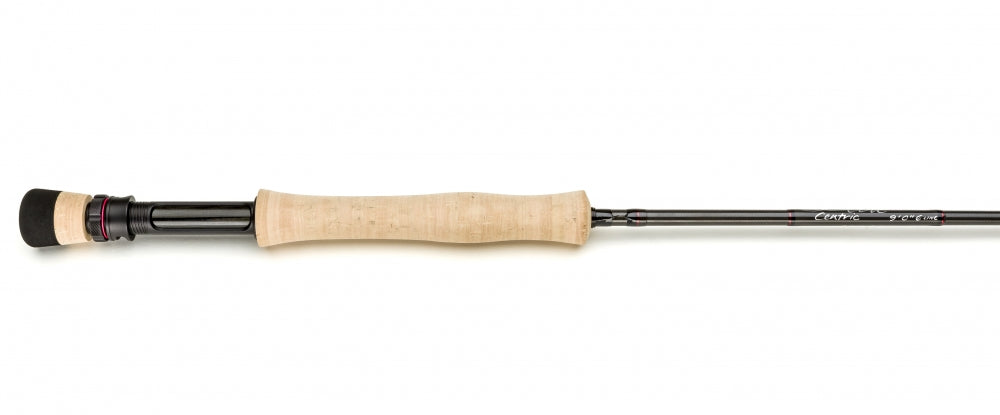
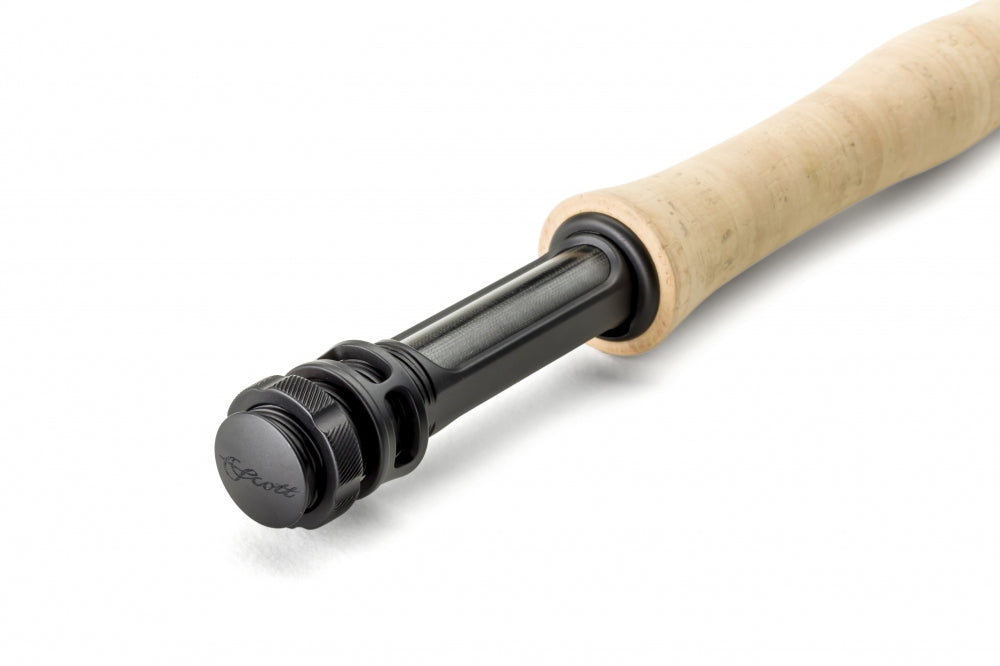
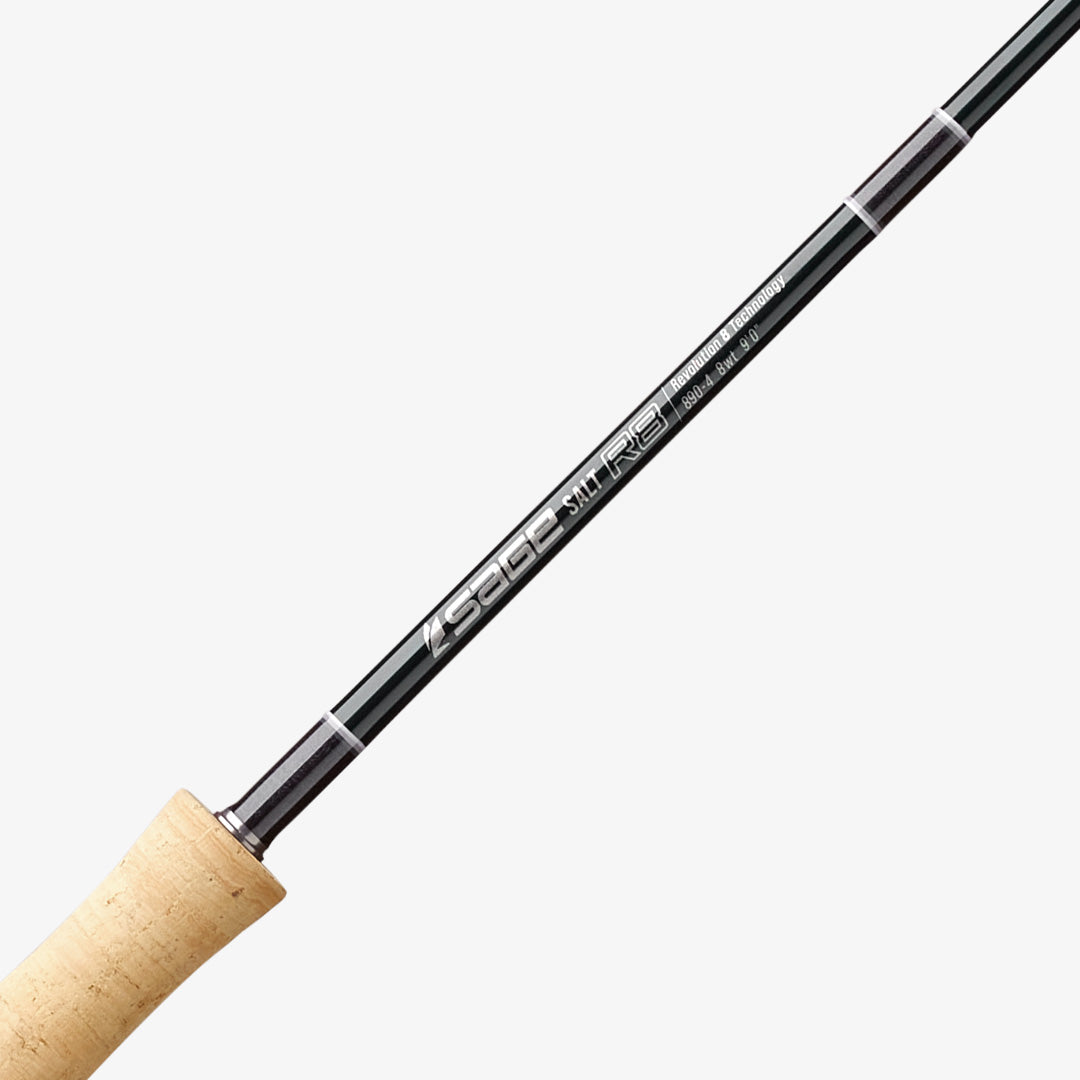
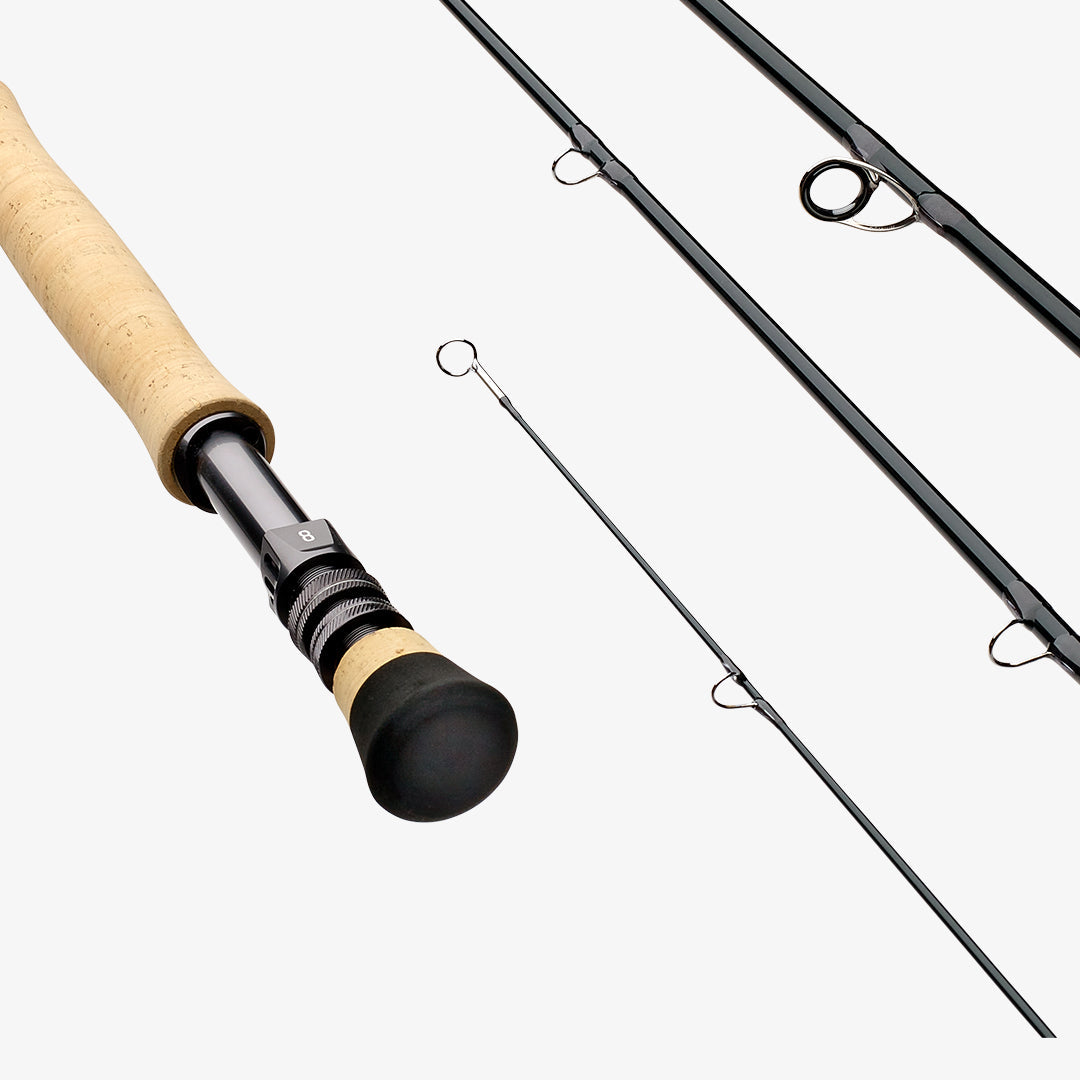
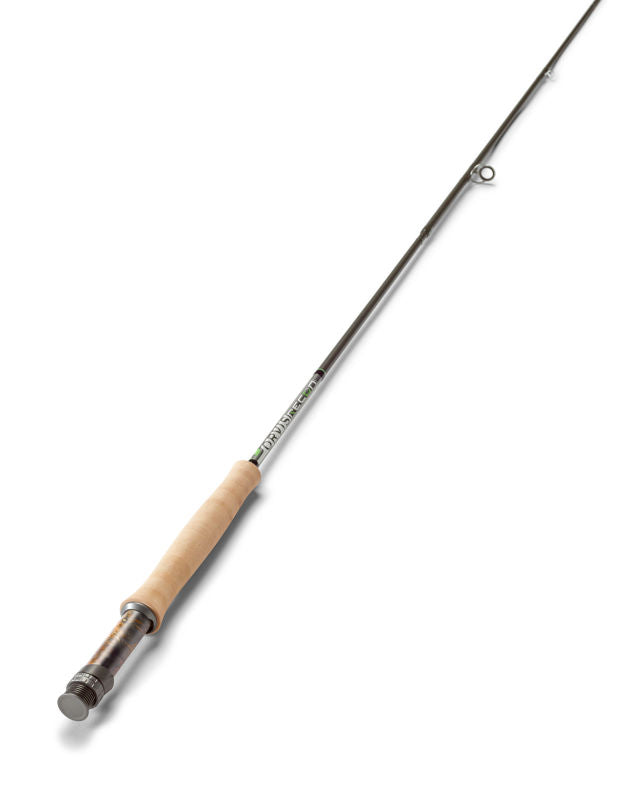

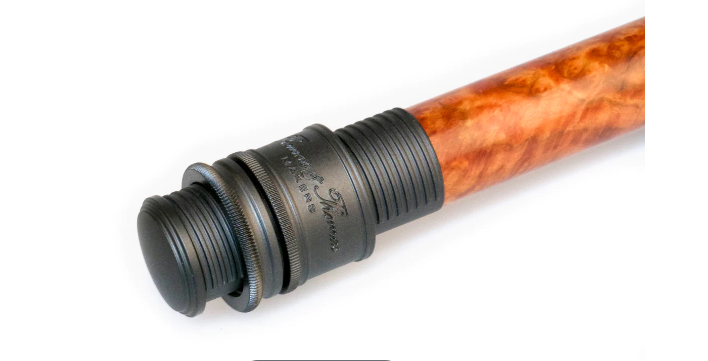
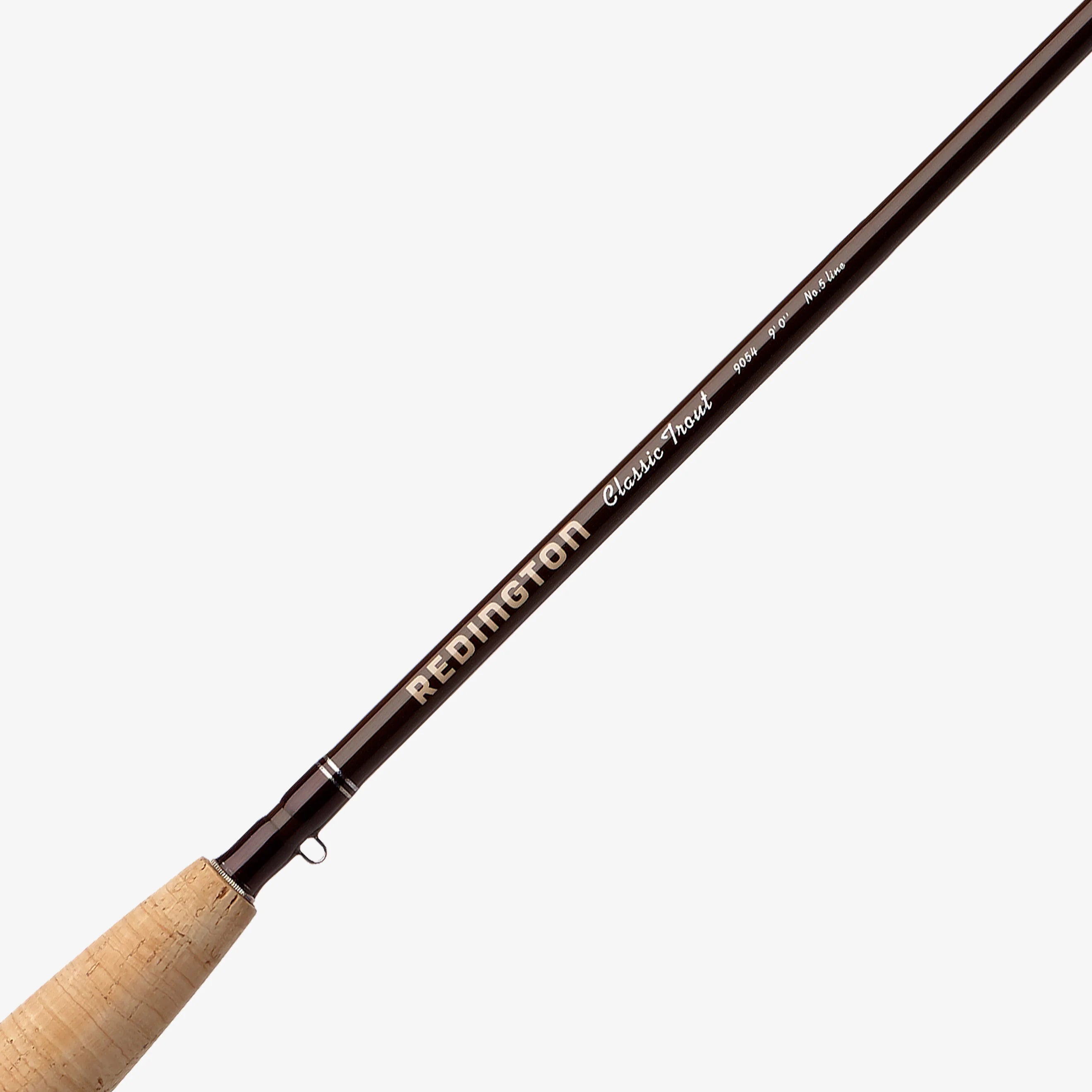
Fly Fishing Rods
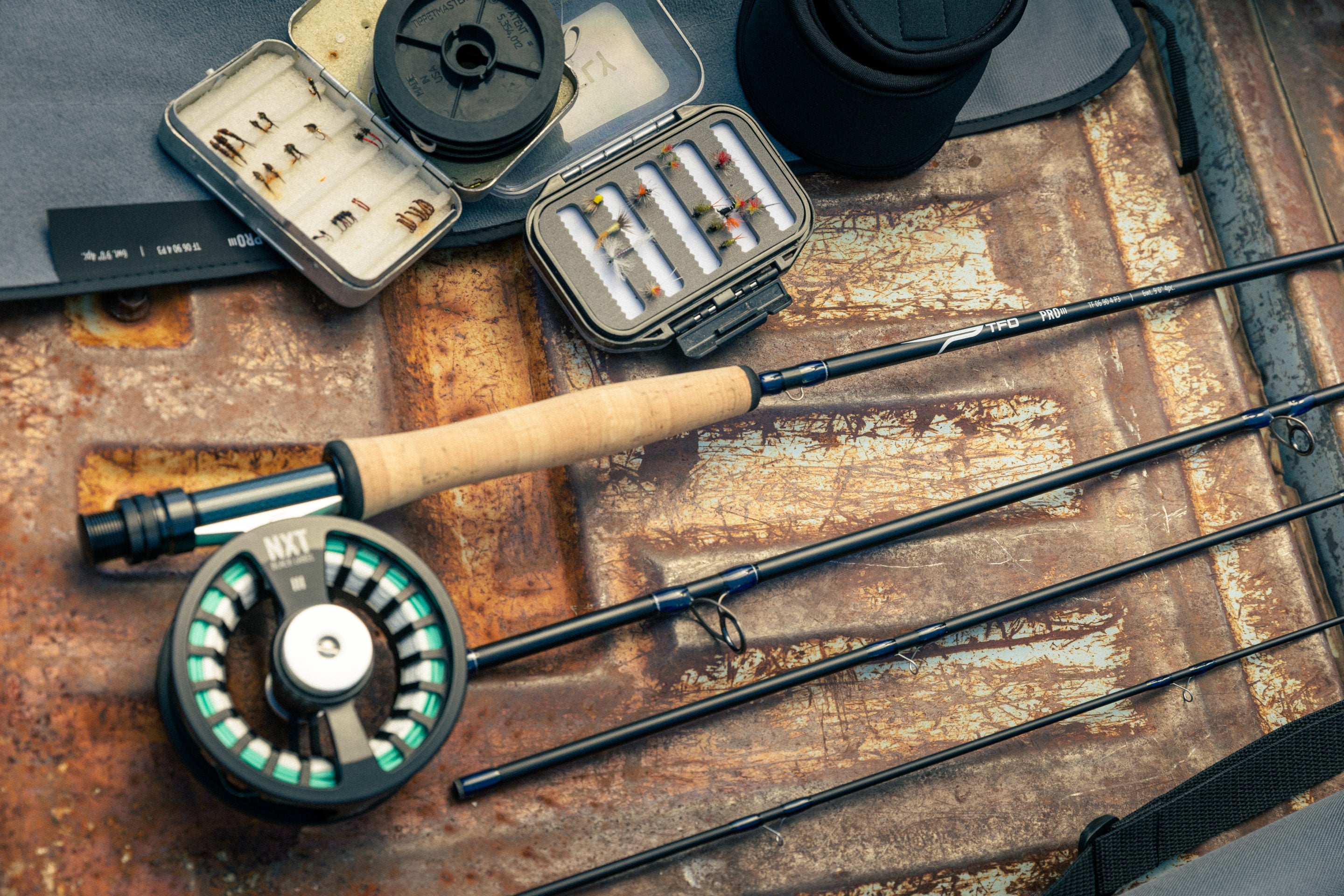
Choosing among modern fly rods is really about matching tools to the water you fish and the flies you plan to present. On this page you’ll find the full range of options, from short sticks for tight canyons to long, reachy tapers for mending across big currents. The goal isn’t to chase hype about the best fly rods, but to help each angler pick a rod that feels intuitive and steady on real days, with real wind and changing light. If you are new to fly fishing, think of a fly rod as a lever that turns your line into a loop and your loop into placement; with good timing and a calm stroke, the rod does the work and the fish tell you when you got it right.
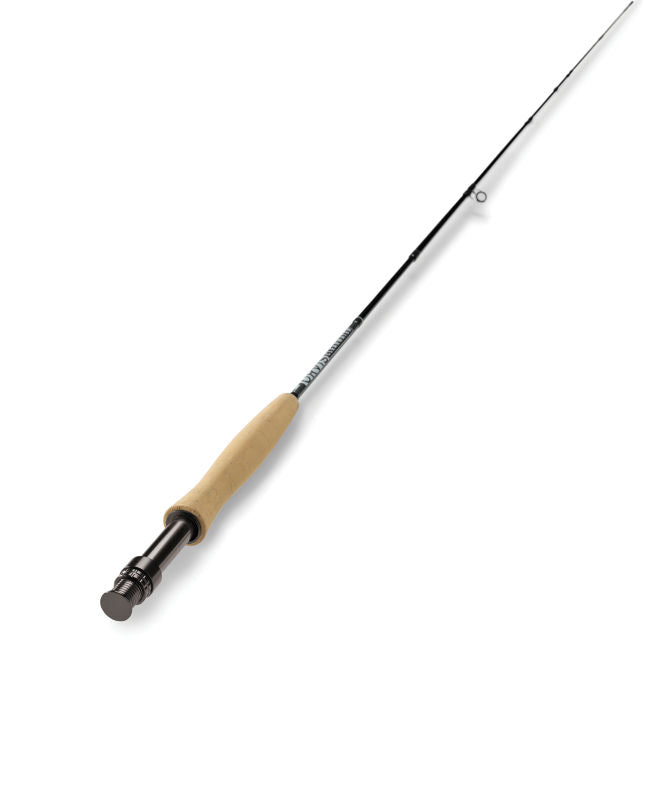
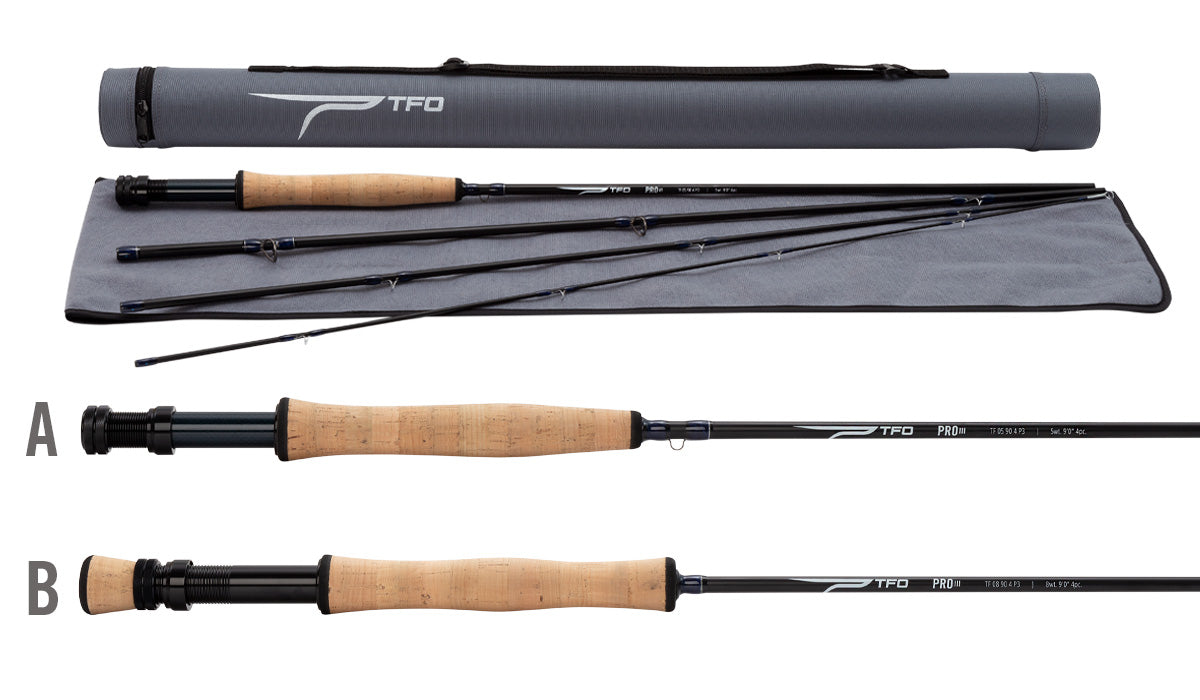
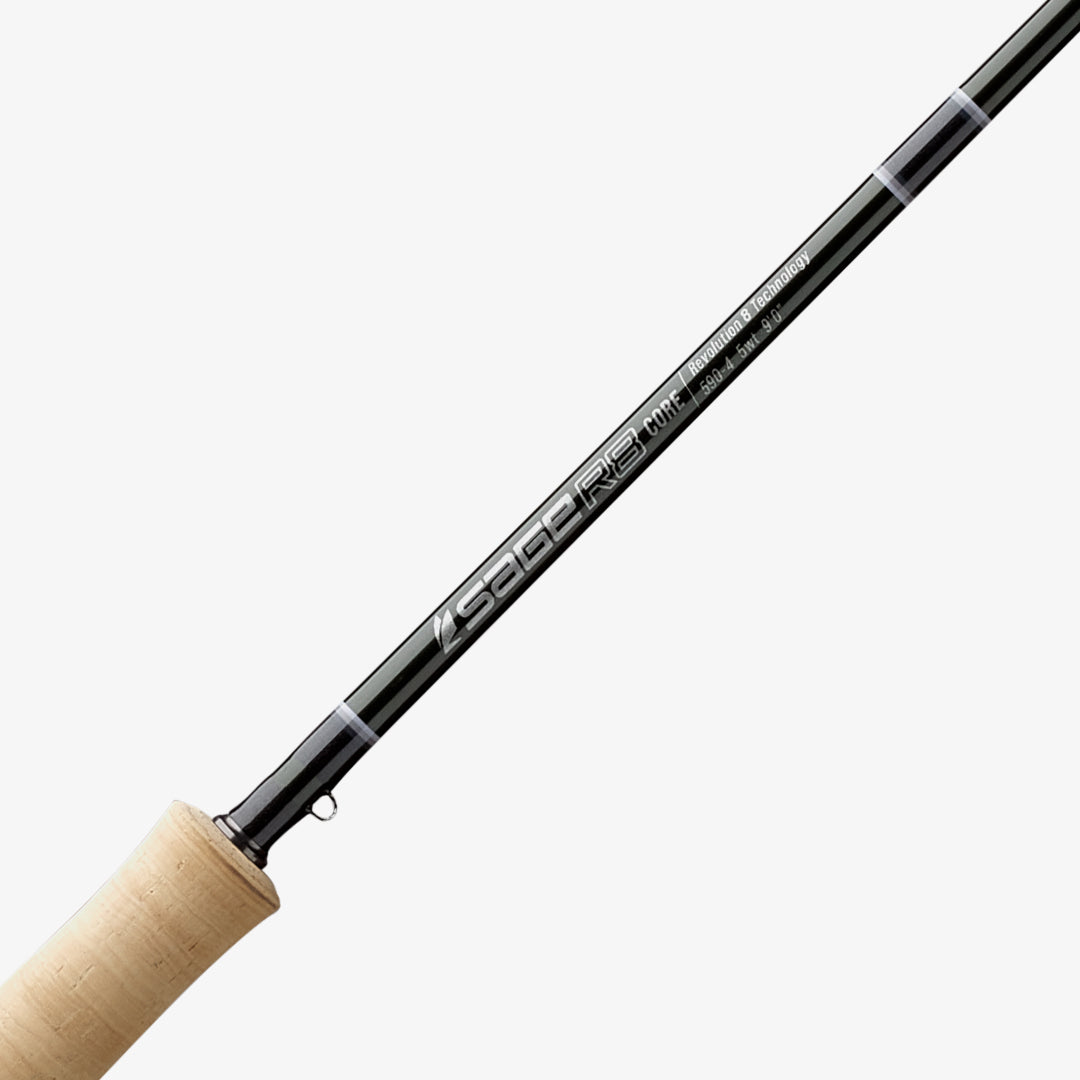
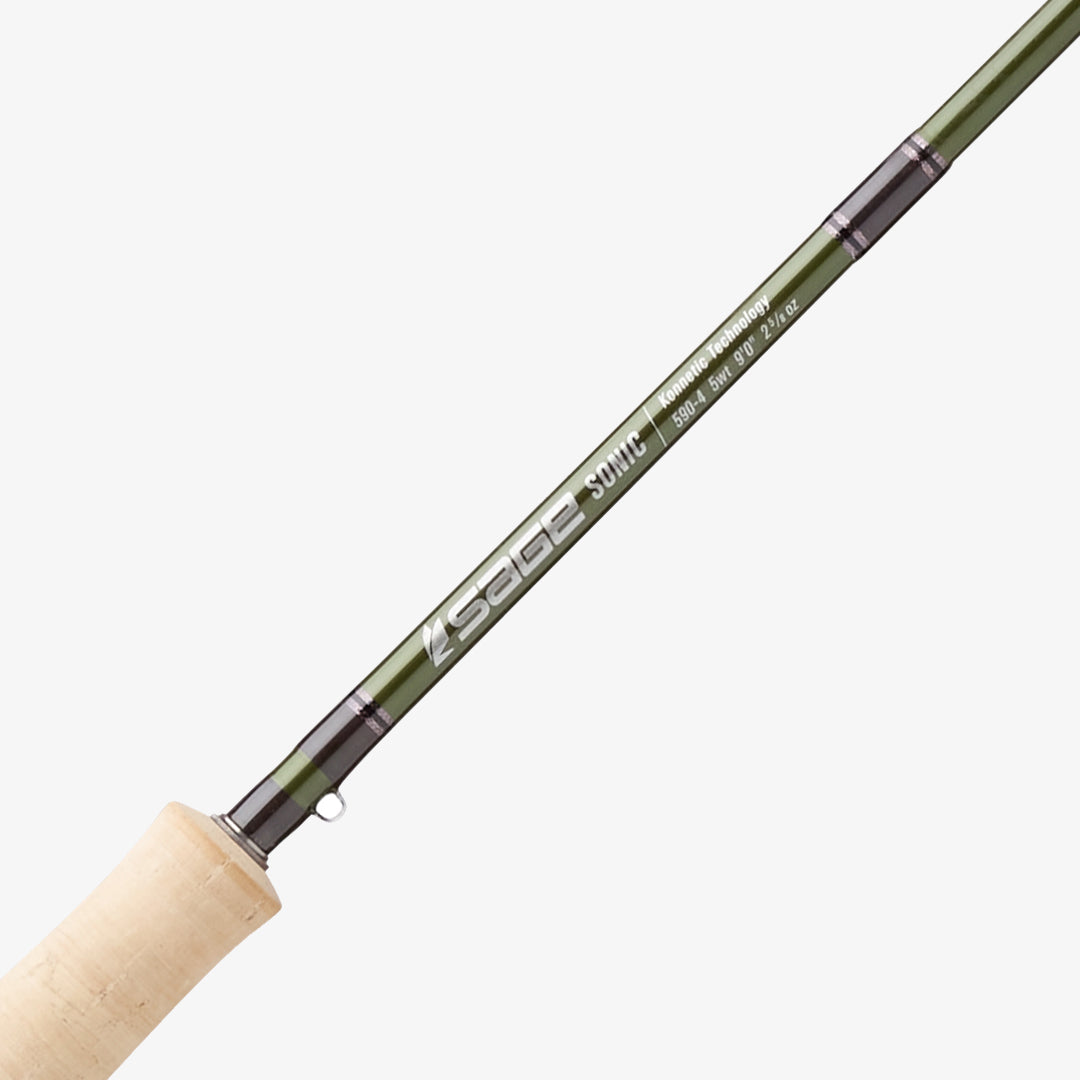
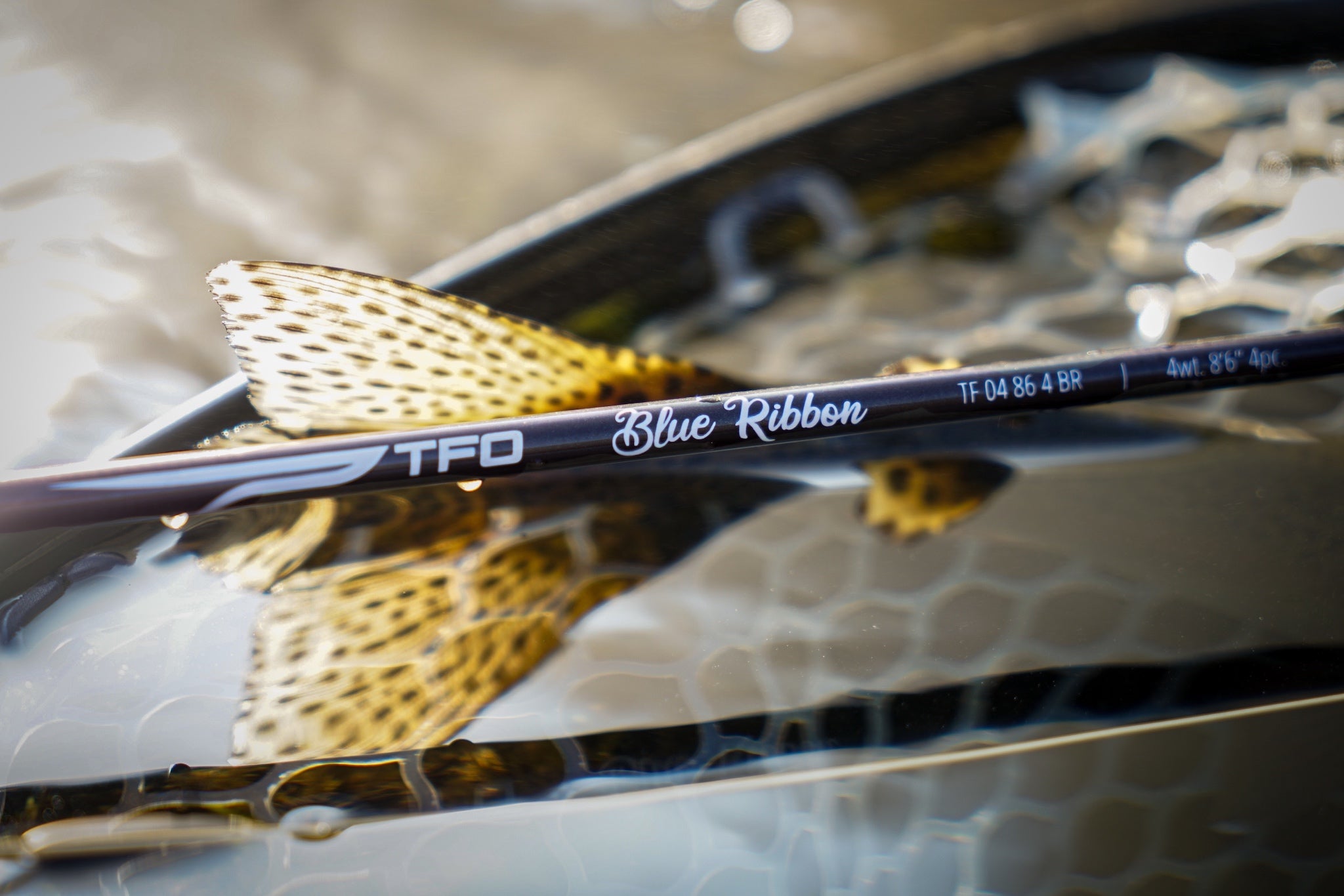
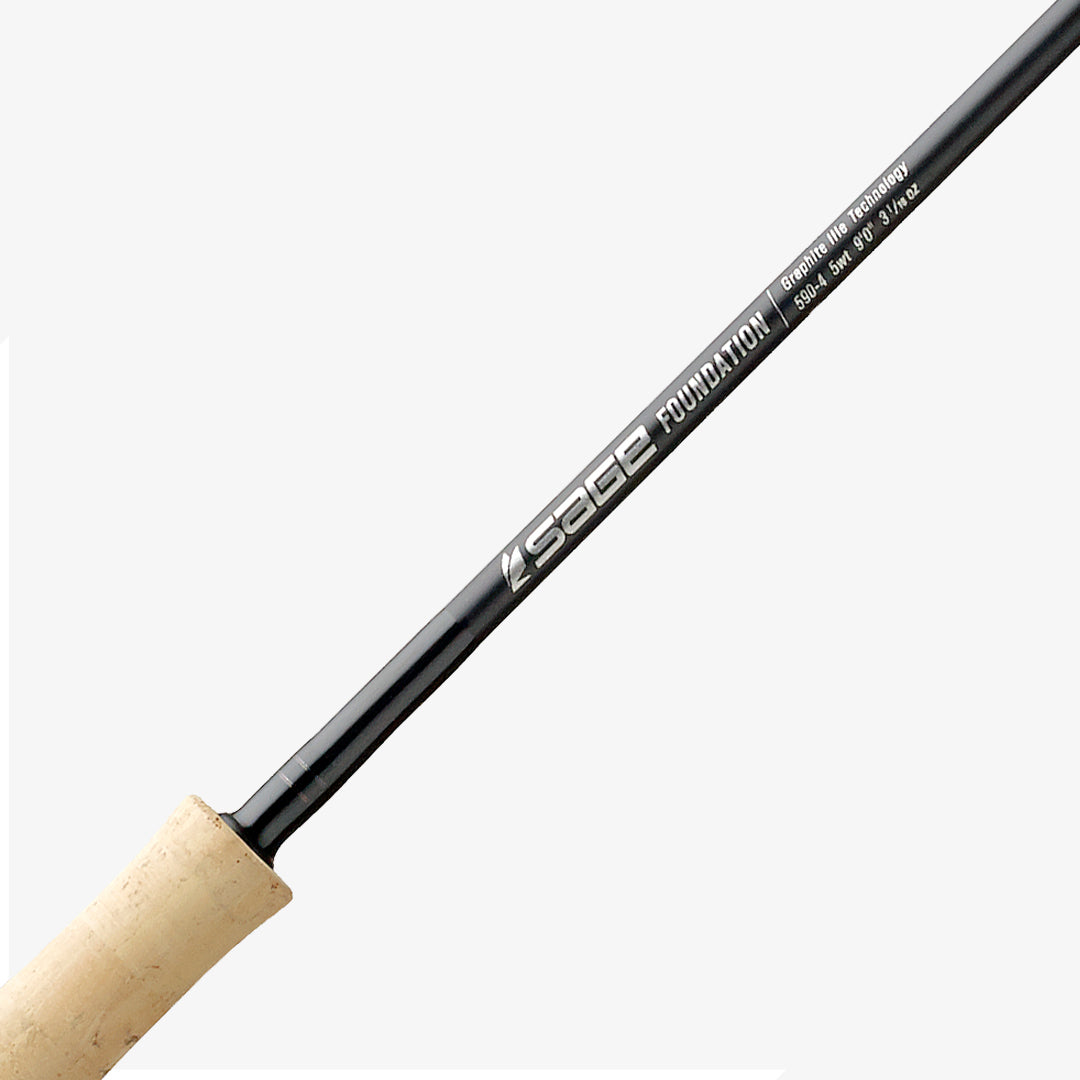
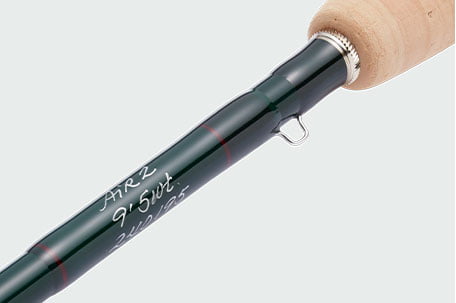
Specs translate to simple choices. Common lengths run from 7’6” to 10’ for trout and warmwater, with specialty sizes beyond that for steelhead and salt. Line weight ties directly to the size of your Flies and the air resistance of the patterns you want to move. A 9’ 5 wt is the classic all-arounder for rivers because it can place dry flies softly, control a drift, and still turn over a small streamer. If you fish small streams or value delicate touch at short distances for Small fish, an 8’6” 4 wt or a 7’6” 3 wt loads quickly and keeps backcasts out of brush. When wind, larger foam, or weighted tips are normal, a 9’ 6 wt steadies the loop. If you swing bigger patterns or cover lakes, think longer rods that pick up more line and help with reach. Dry fly rods tend to have a tip that lands with a little more grace, while faster tapers deliver extra stability when conditions are pushy.
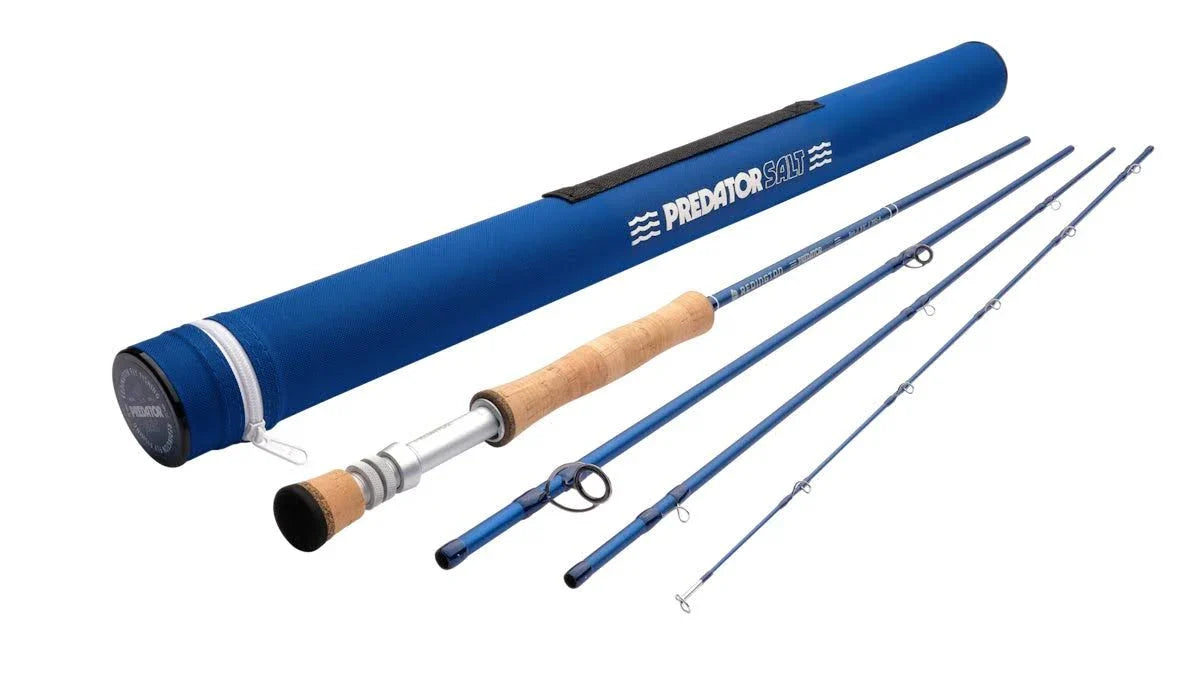
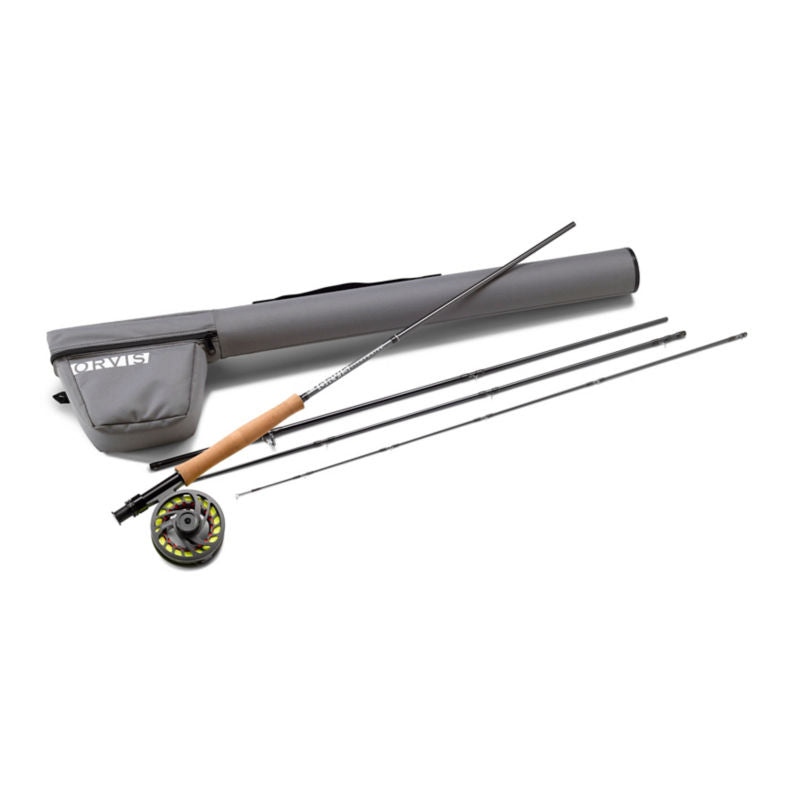
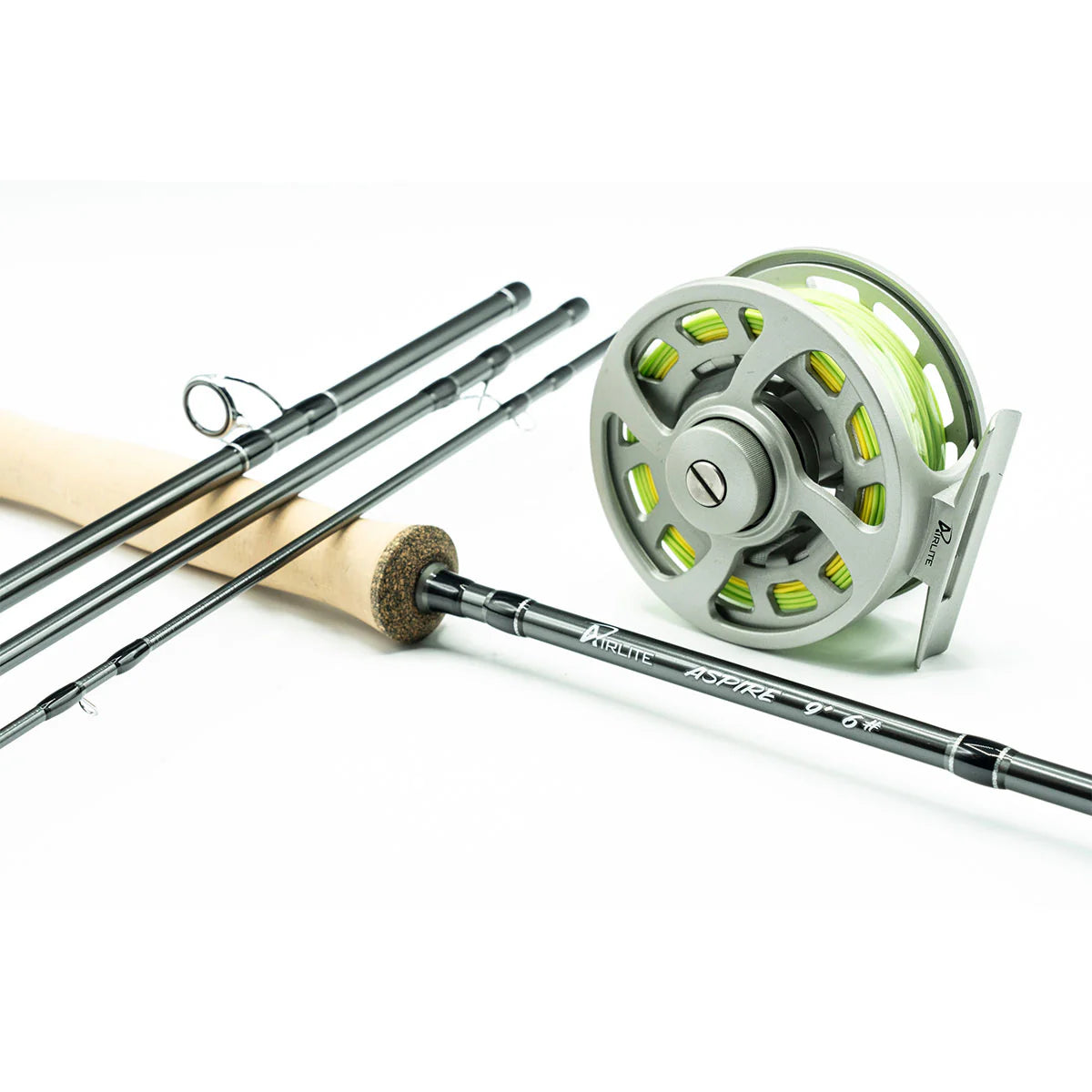
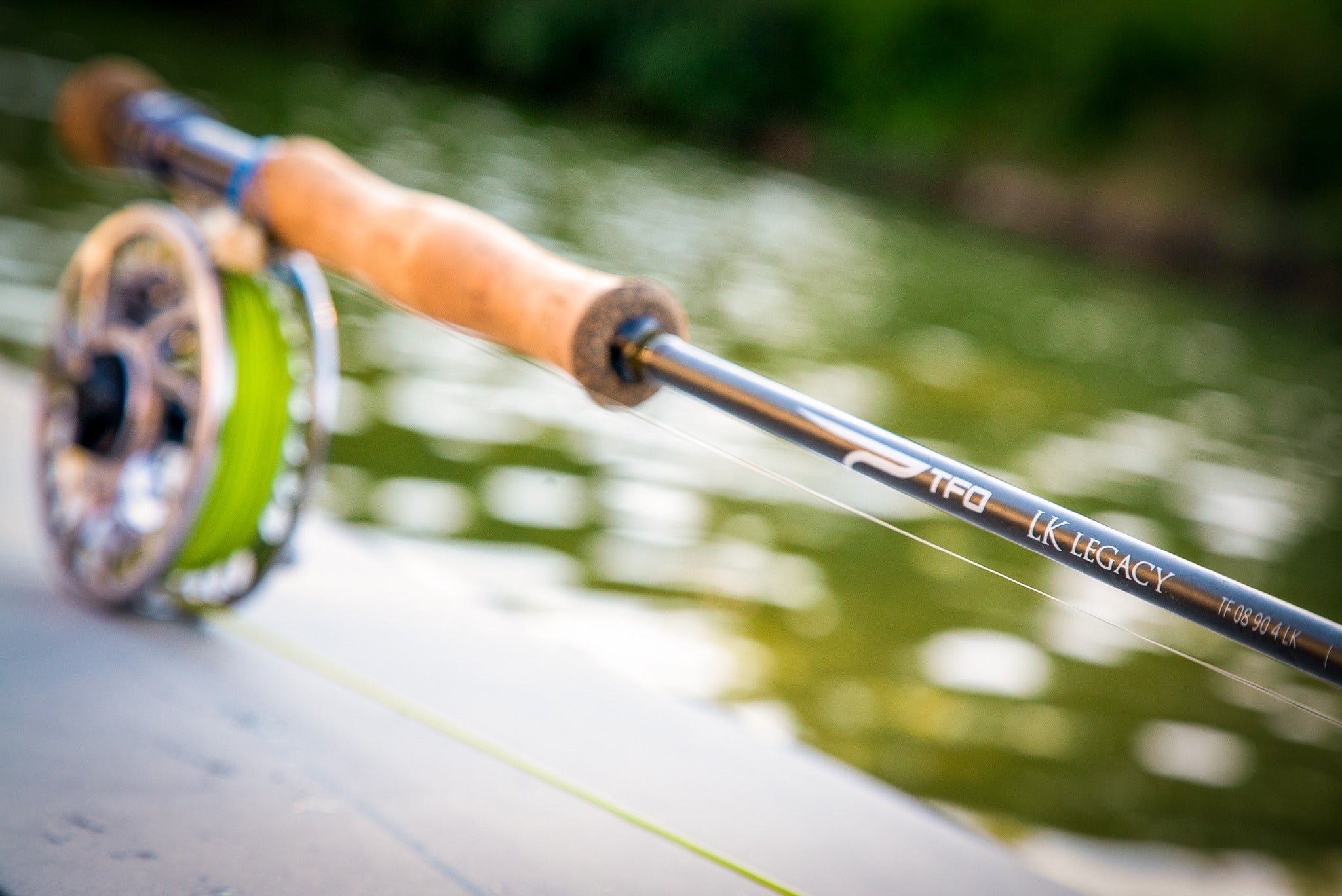
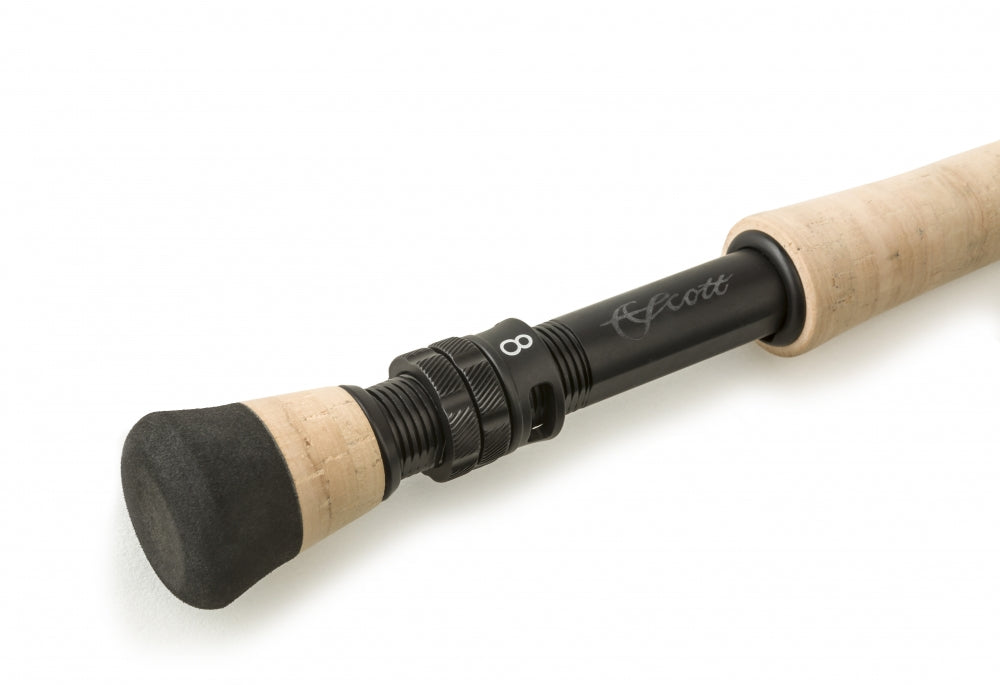
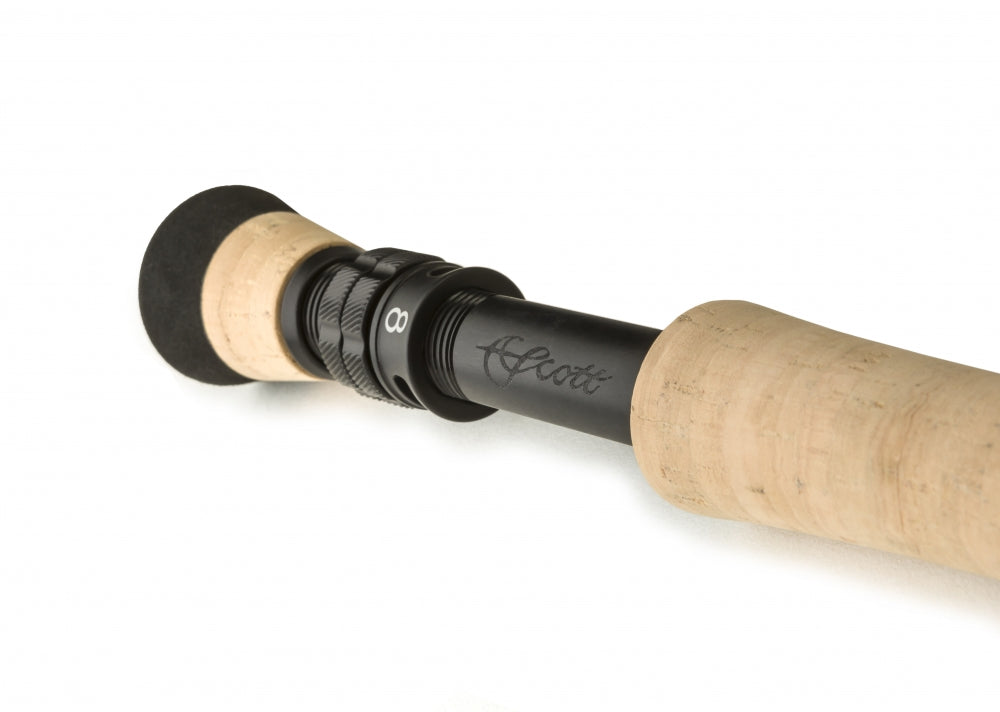
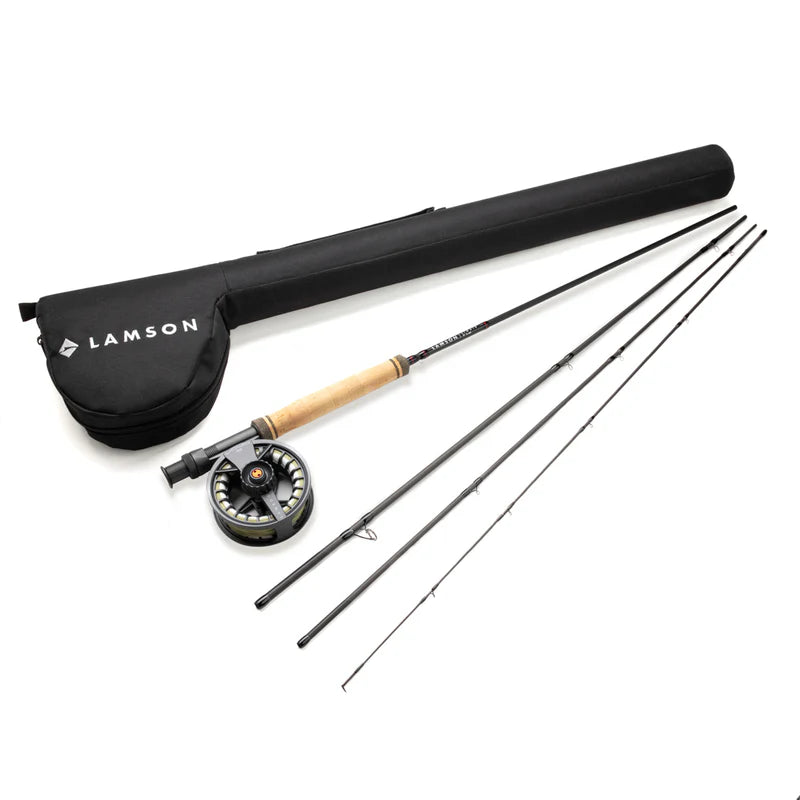
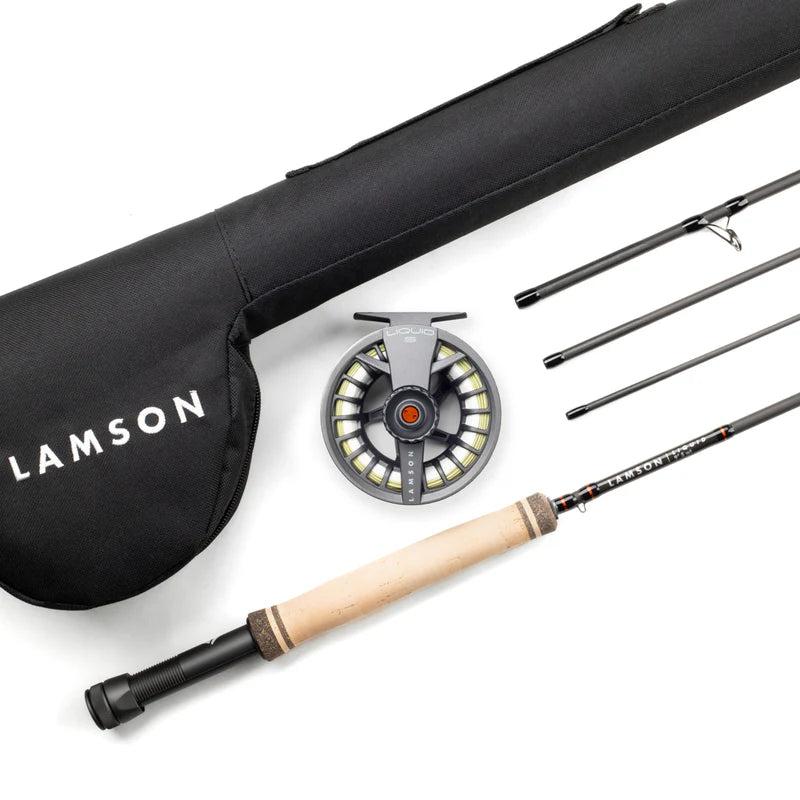
Pairing matters almost as much as the blank you choose. A balanced outfit uses a reel with enough mass to keep the tip from diving, which reduces fatigue and improves tracking. Large-arbor reels pick up slack quickly when a trout runs at you, and smooth startup protects tippet. Match your fly line to your casting tempo and typical distance, not just to the label; a longer front taper lands quietly for spooky fish, while a slightly more aggressive head will lift rigs and help when you need to change direction in a hurry. Pay attention to line weight recommendations, remembering that some designs like being over-lined by a half size for close work, while others prefer a true-to-rating fly line to keep their rhythm. If you’re debating among brands, cast a few side by side. Orvis, Scott, and Redington each tune feel differently across price point and purpose, yet all make capable fishing tools that reward clean mechanics.
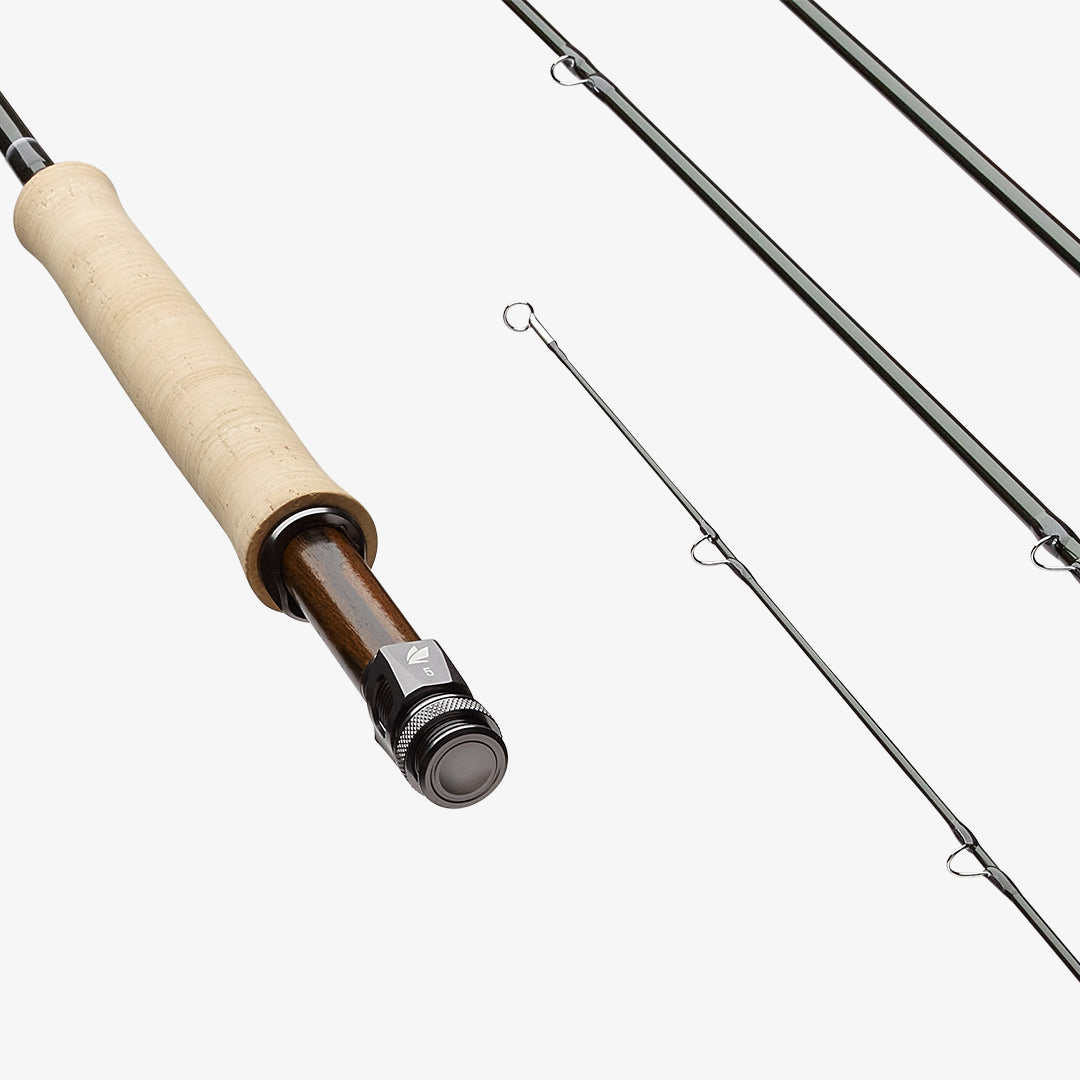
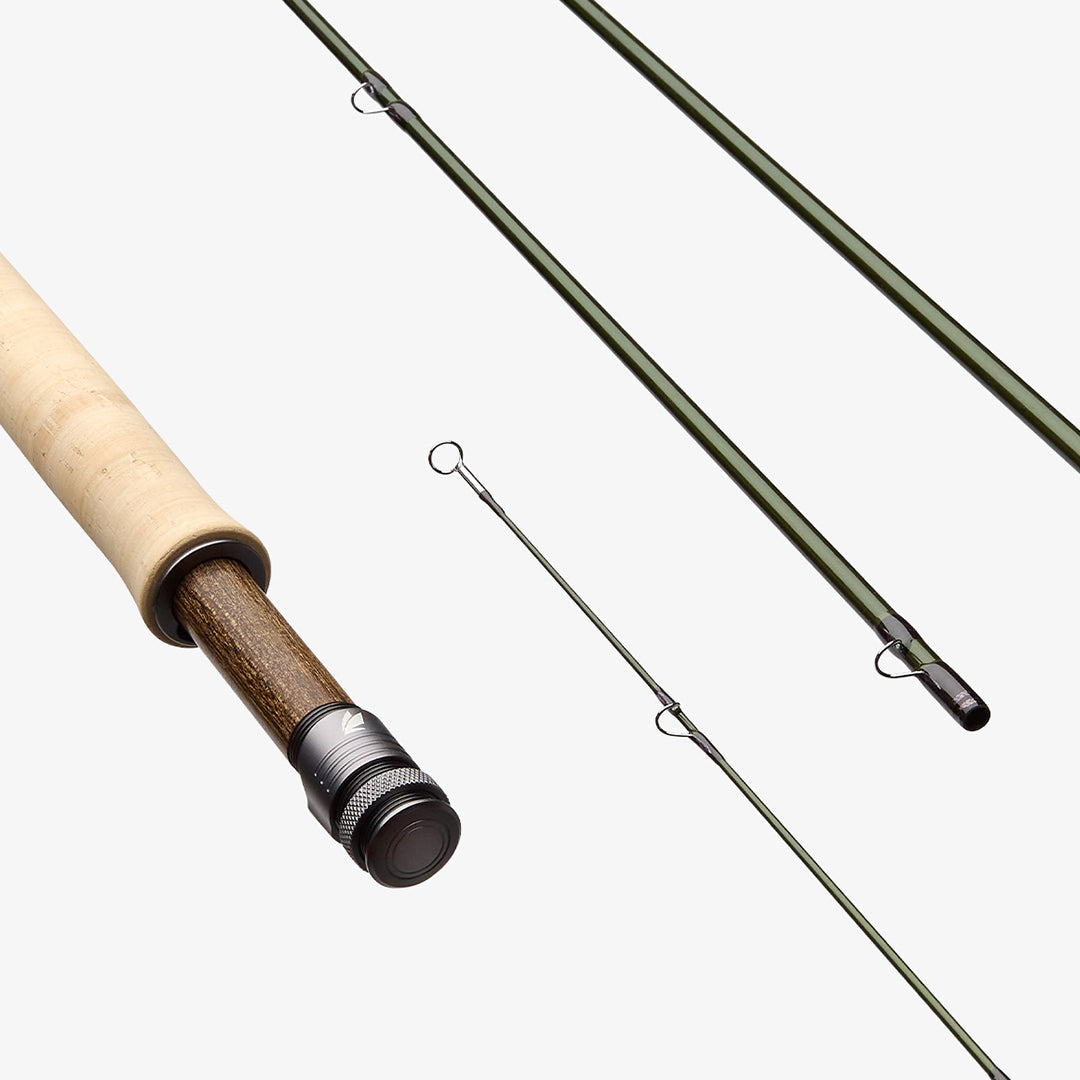
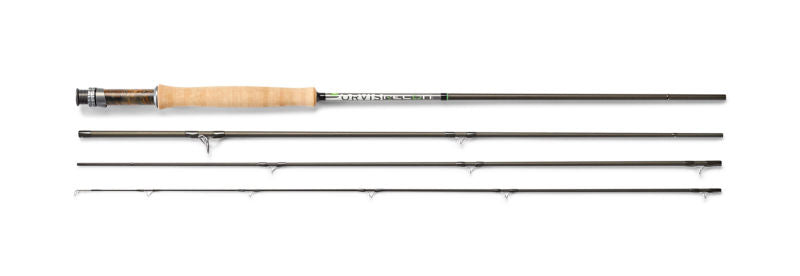
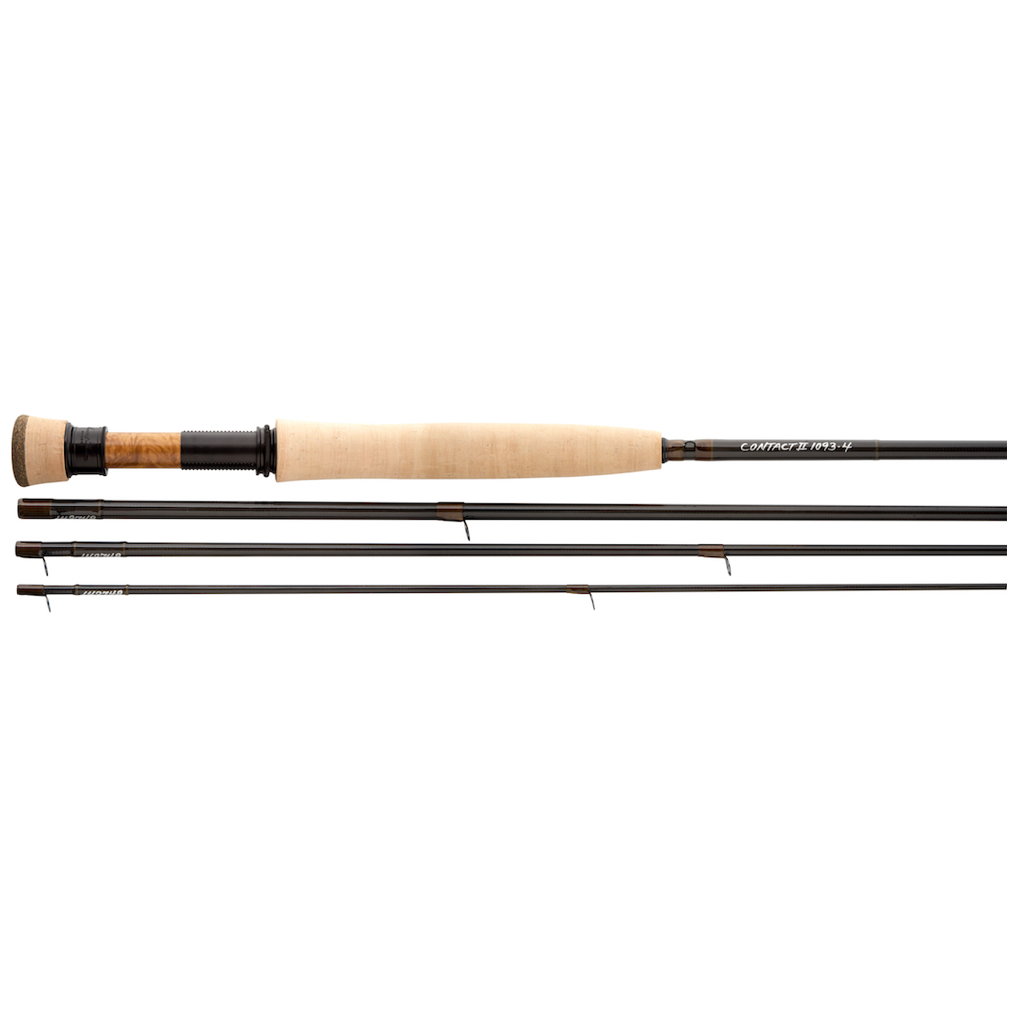
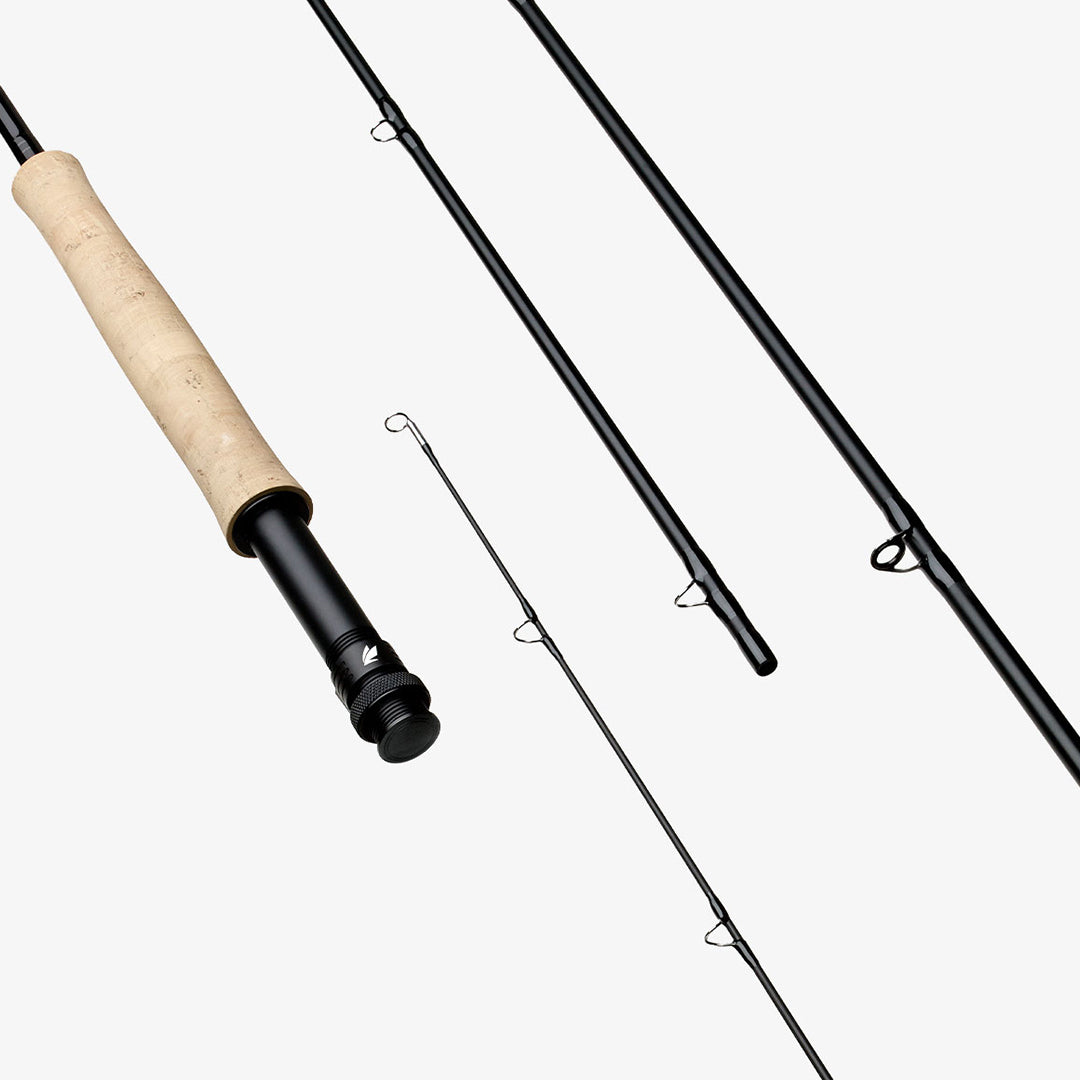
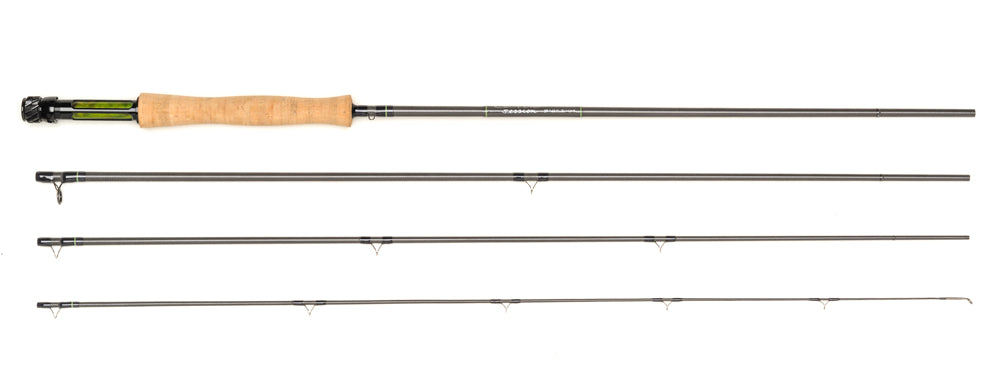
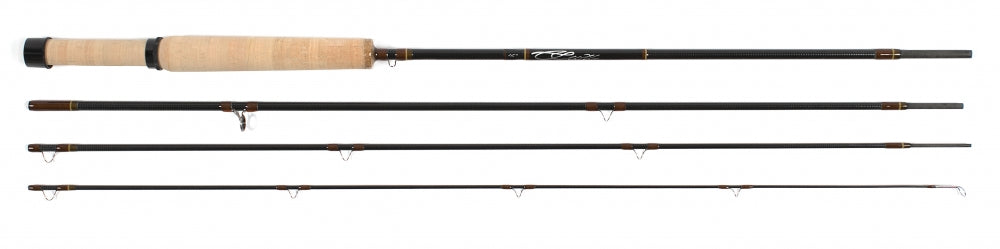
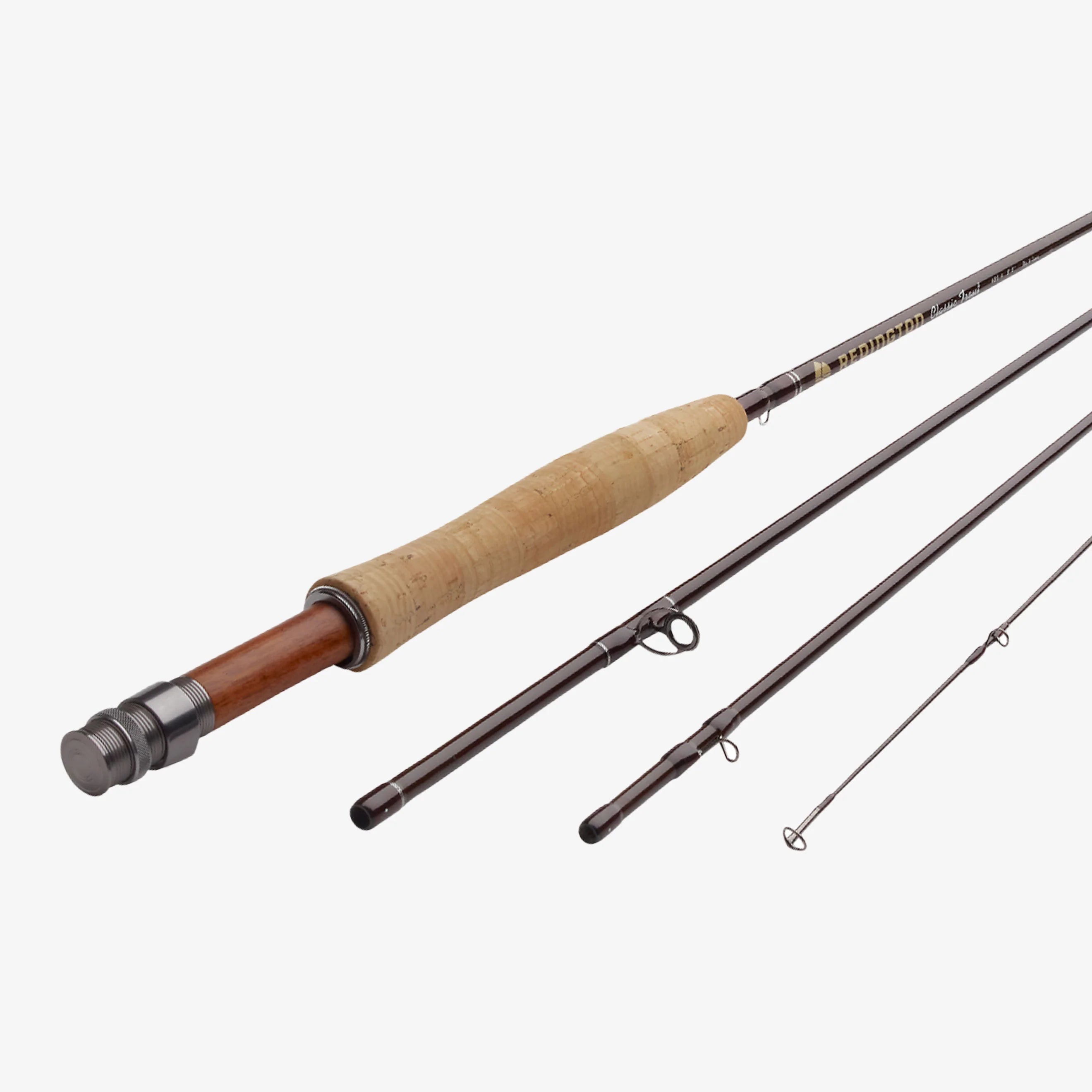
Because this collection covers every water type, let the setting guide your short list. In pocket water, a lighter rod that loads with minimal line out makes quick, accurate flips easy. On bigger waters, extra reach helps you mend across complex seams and keep contact. If you’re chasing steelhead, two-handed sticks open the door to efficient swings and sustained anchor casts, while single-hand rods in the 7–8 wt class give you leverage for heavier tips when room is tight. If you hike a lot or travel by air, four-piece fishing rods ride safely in Packs and cases and don’t give up much feel compared with older two-piece designs. If you’re curious about the best fly rod for your exact home river, try to name your most common fly size, average cast length, and whether wind is frequent; those three details narrow options fast. As an example, many anglers who fish freestones in the western United States start with a 9’ 5 wt for versatility and add a longer 10’ 4–5 wt later for nymphing and reach-mending.
No matter your budget, remember you’re purchasing a tool to solve clear problems on the water, not just a name. Set aside a little for leaders, a second fly line if you fish stillwater and rivers, and a few key patterns that match your local hatch. The best fly rods are the ones you can control when it counts, that leave enough energy in your arm to keep fishing after a long climb out, and that help you read waters more clearly each season.