
Shop Freshwater Fly Rods
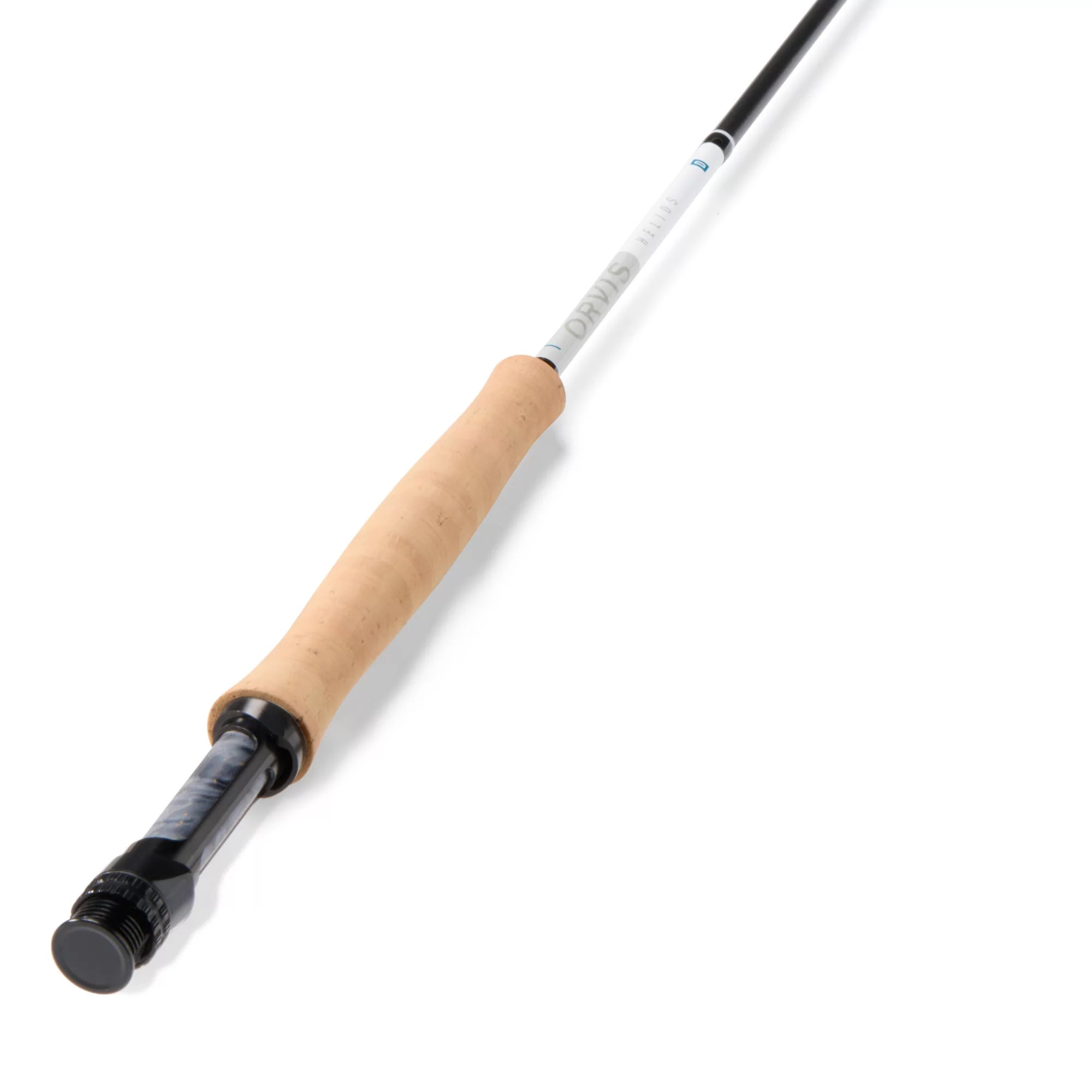
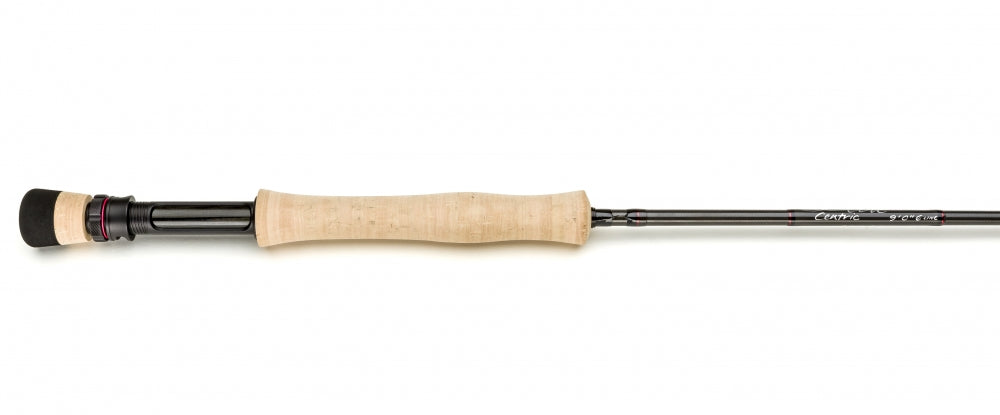
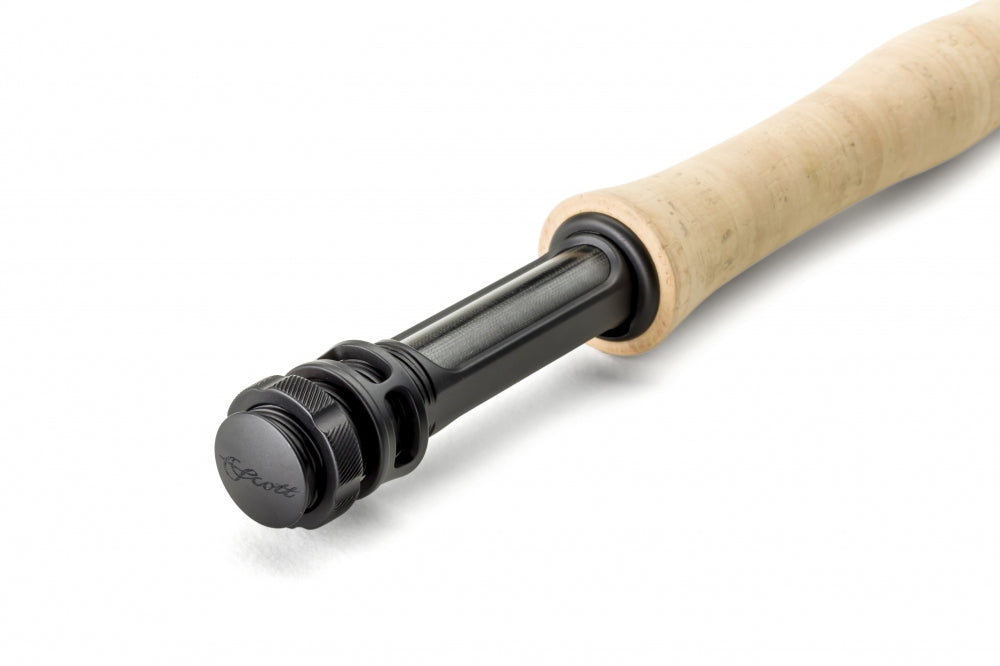
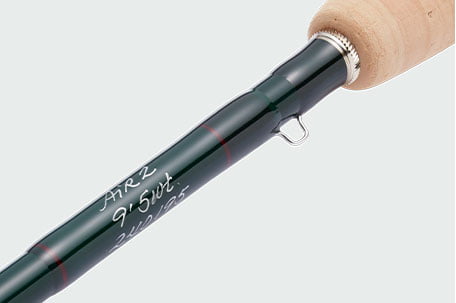
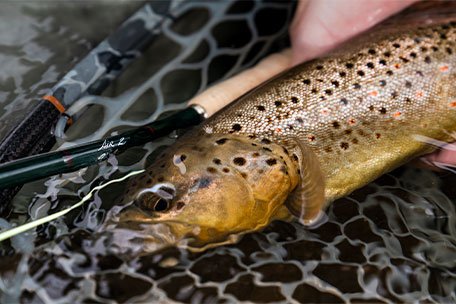
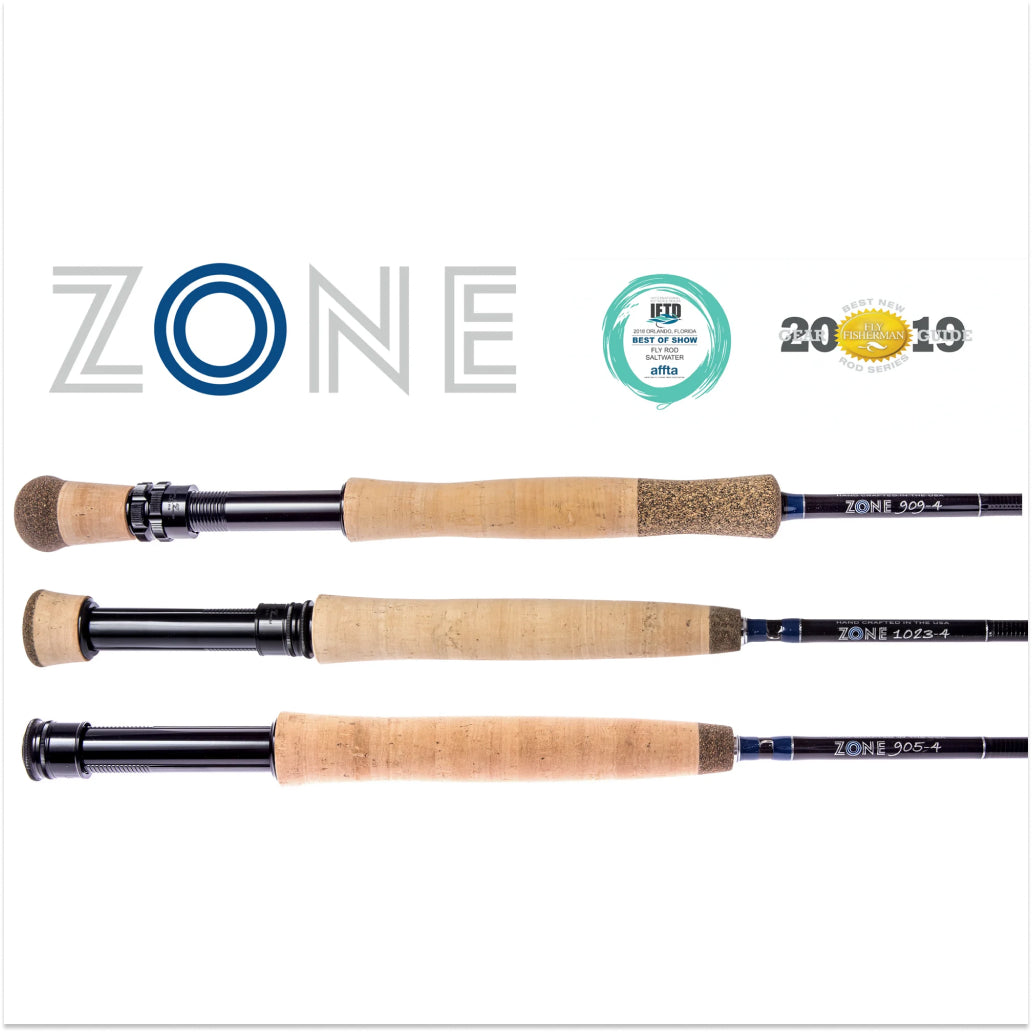
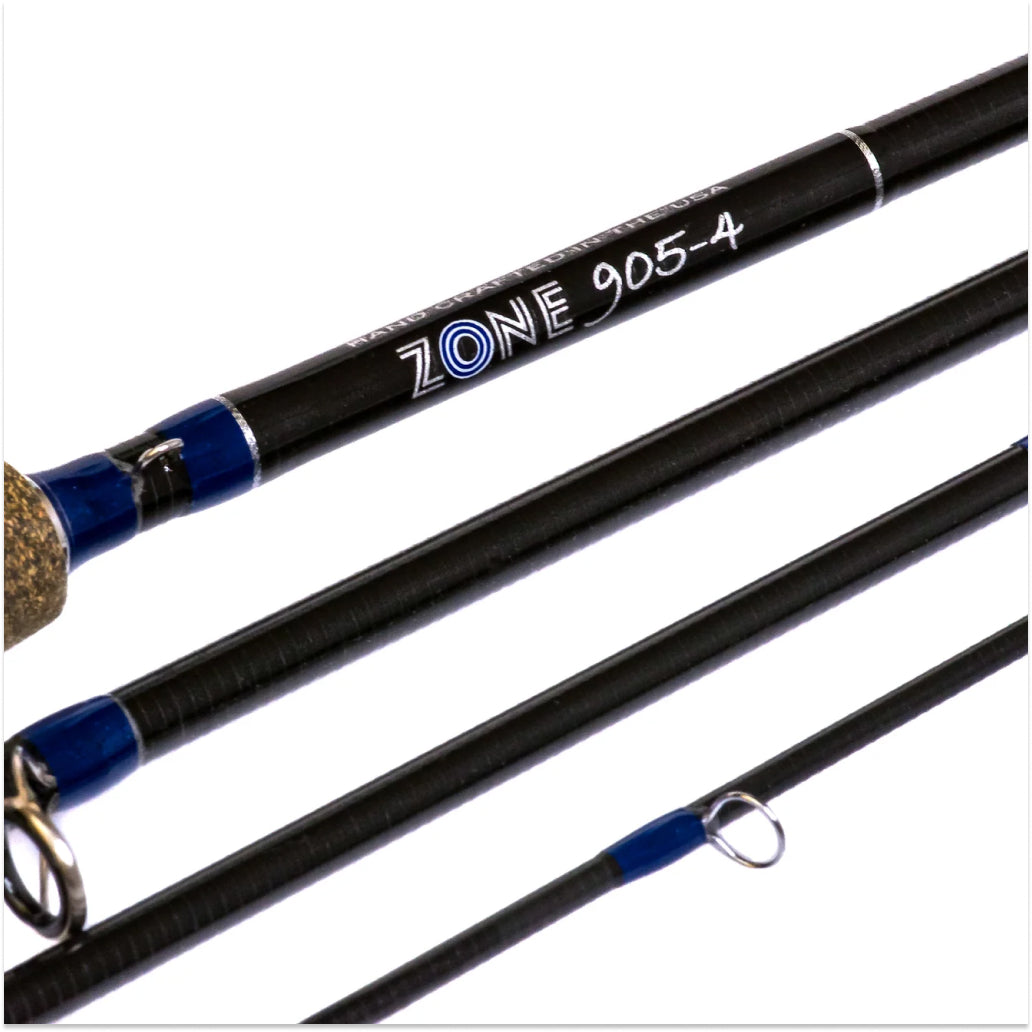
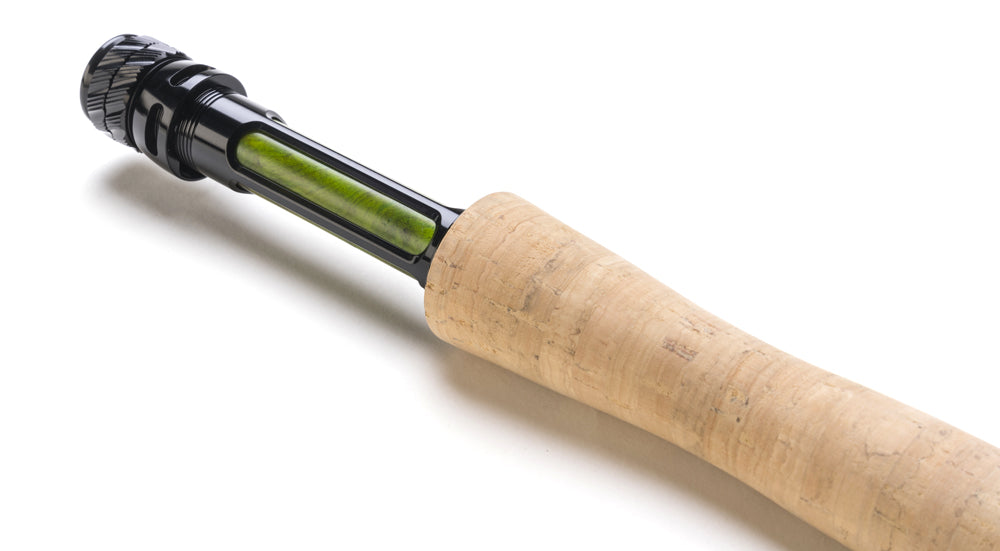
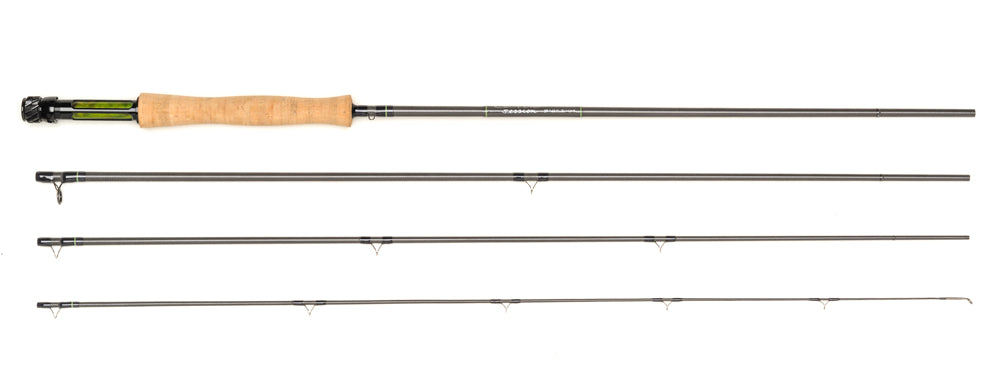

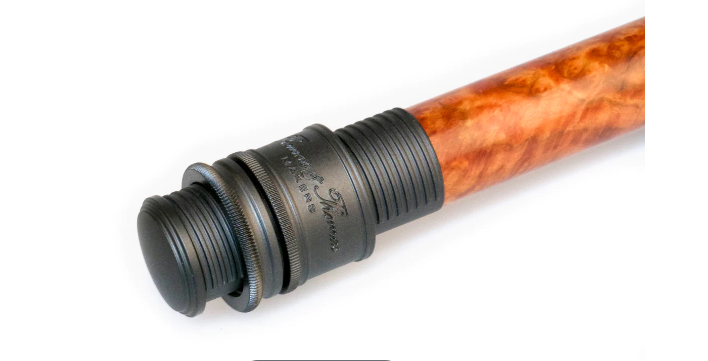


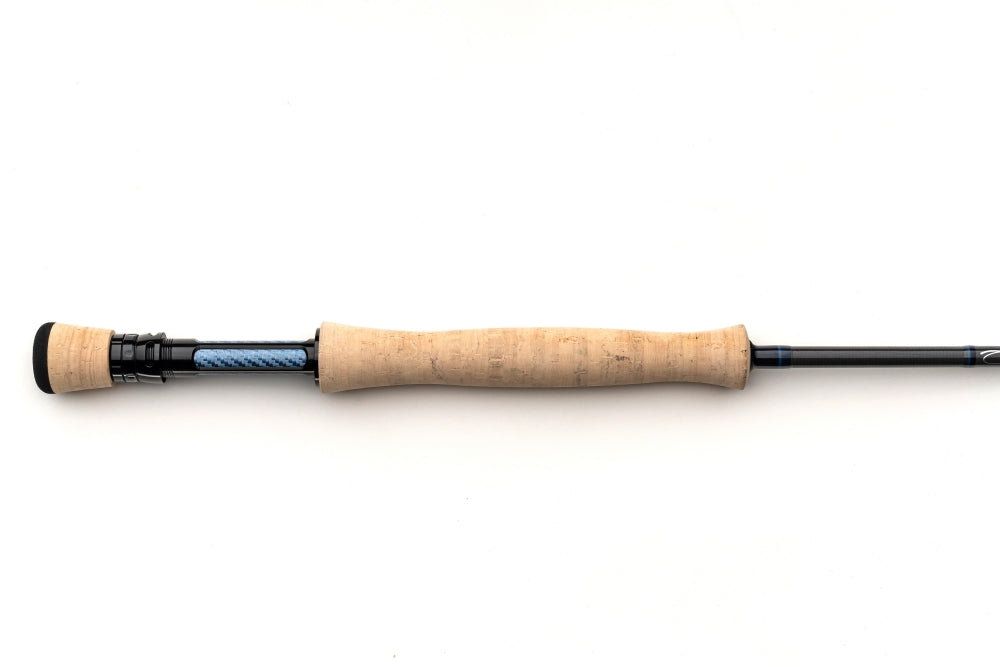
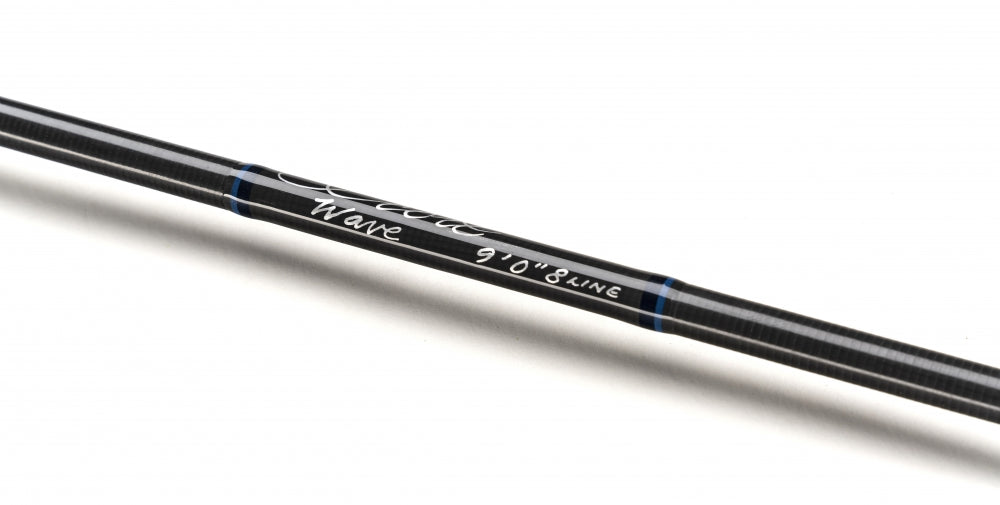
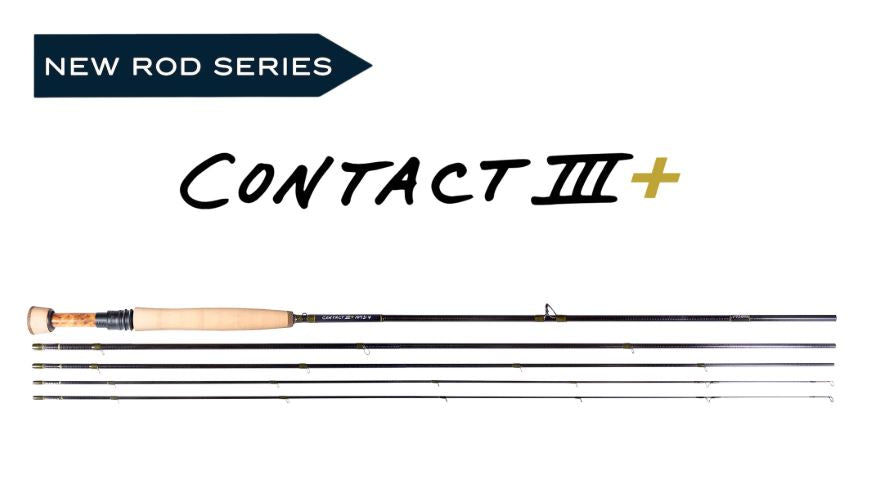
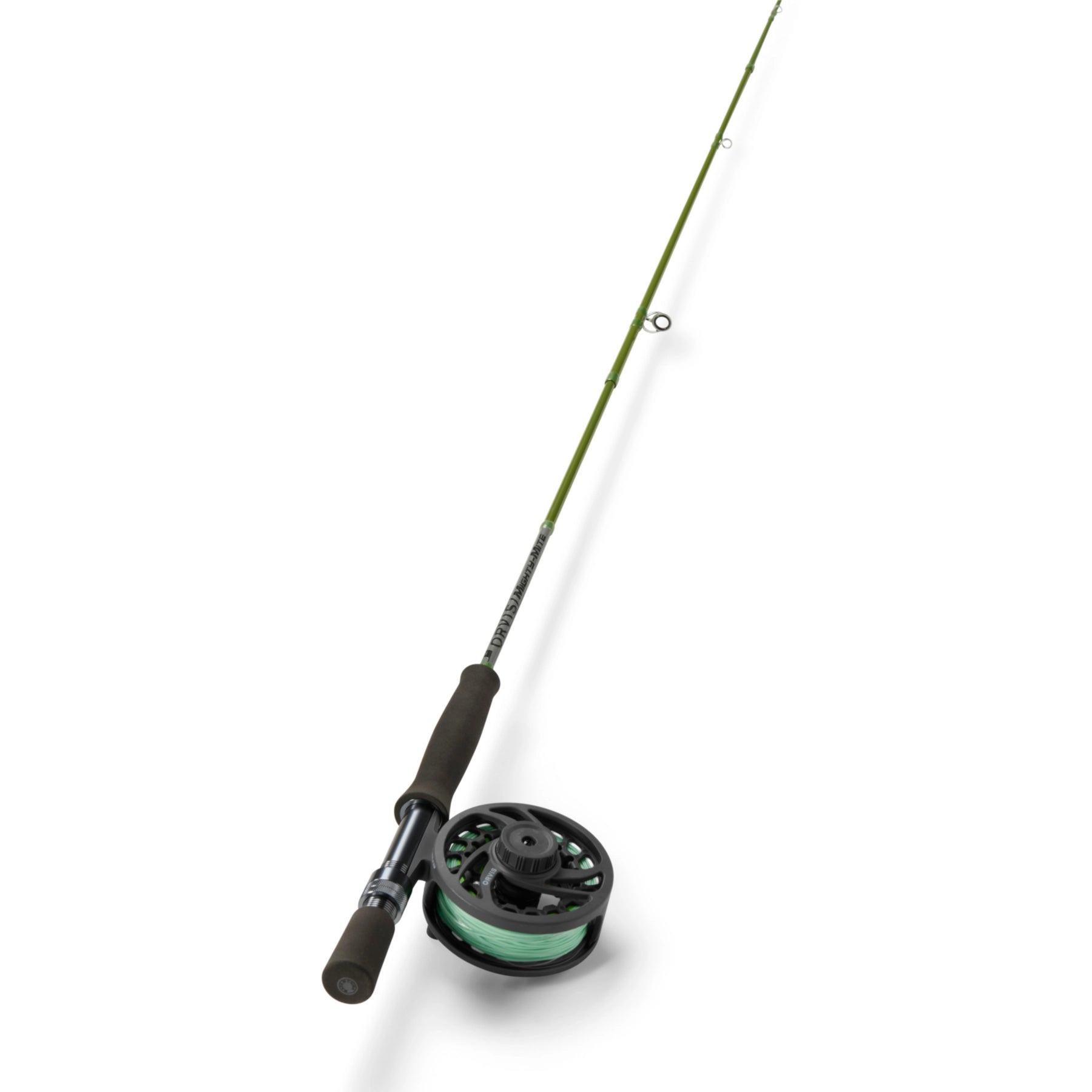
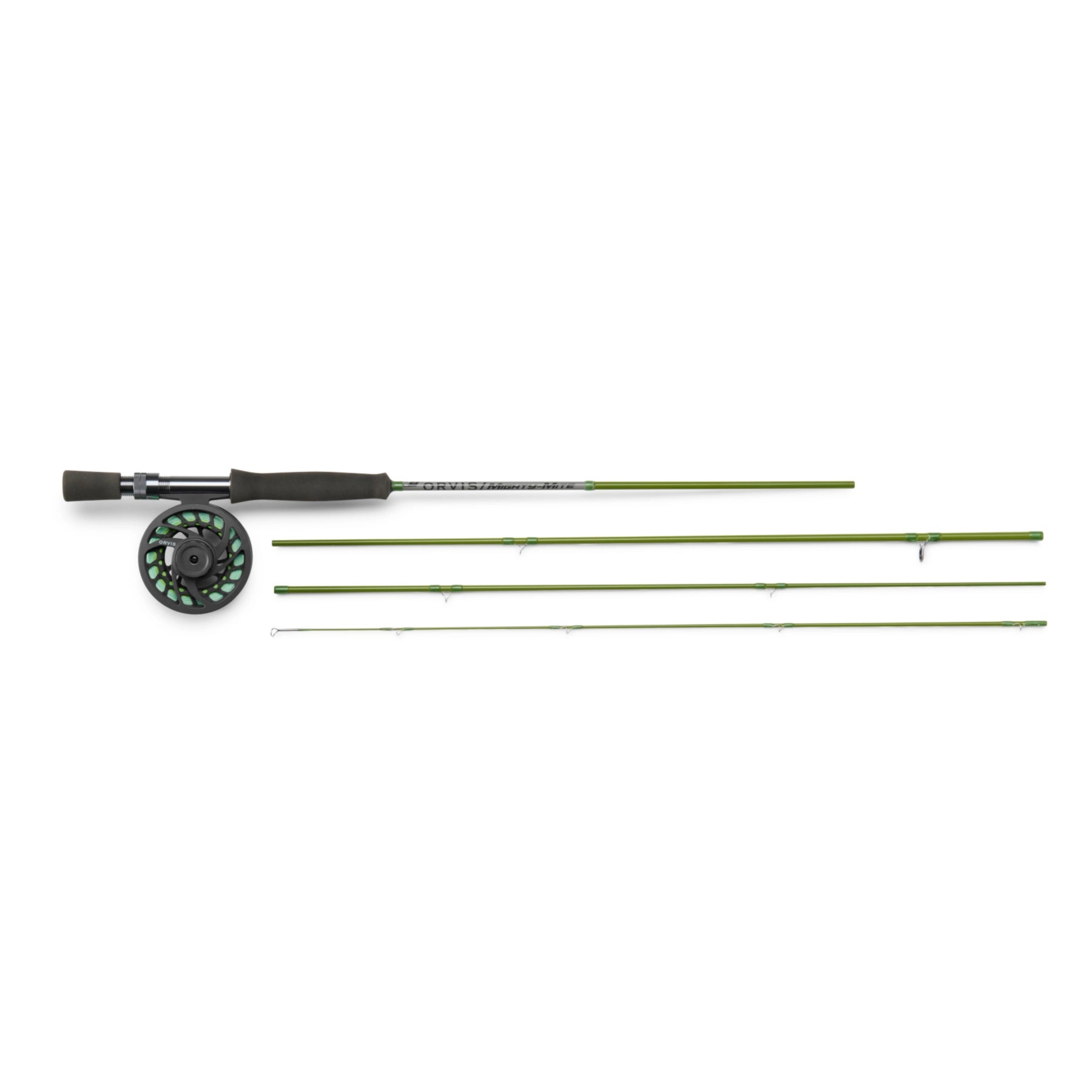
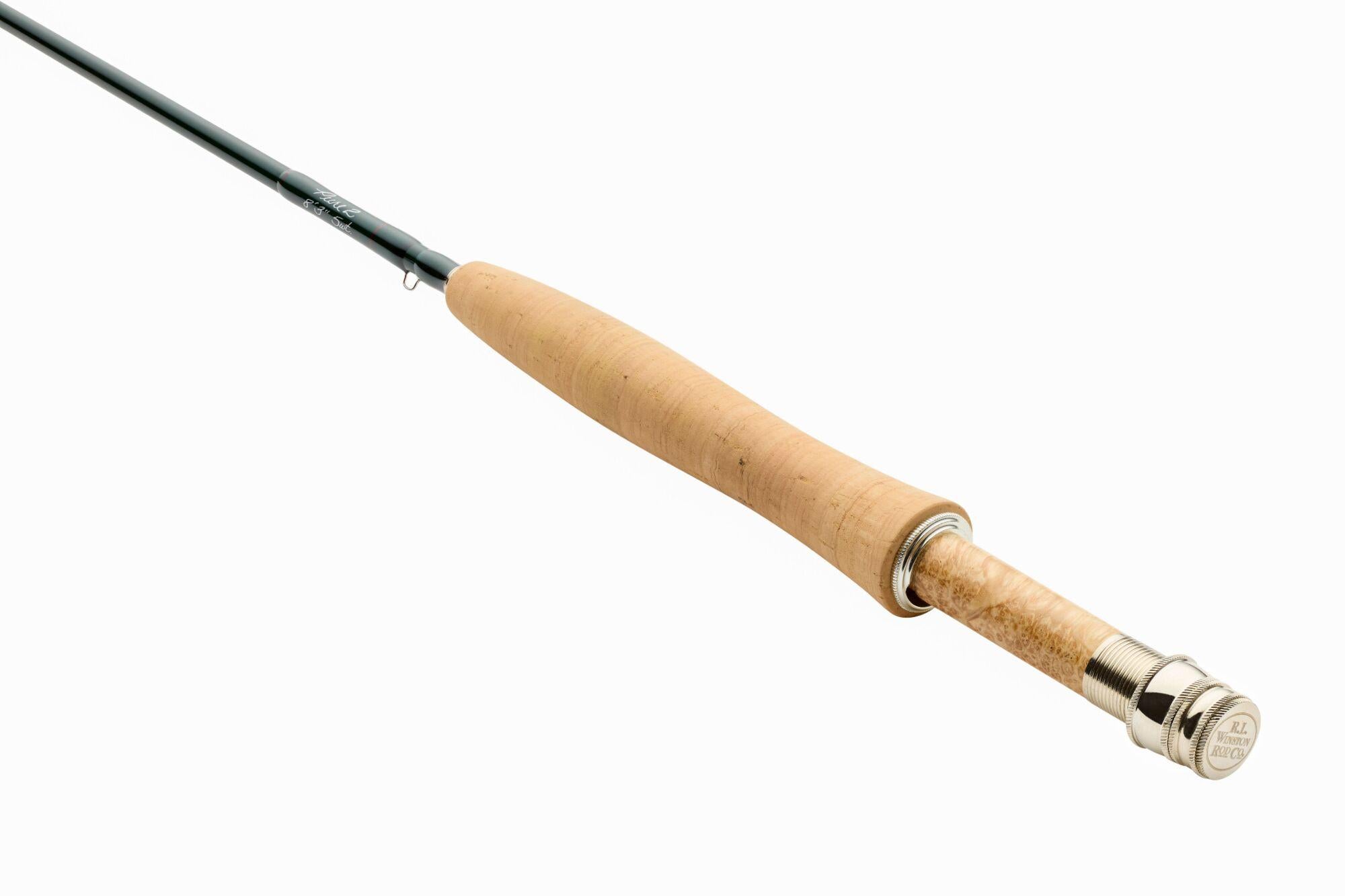
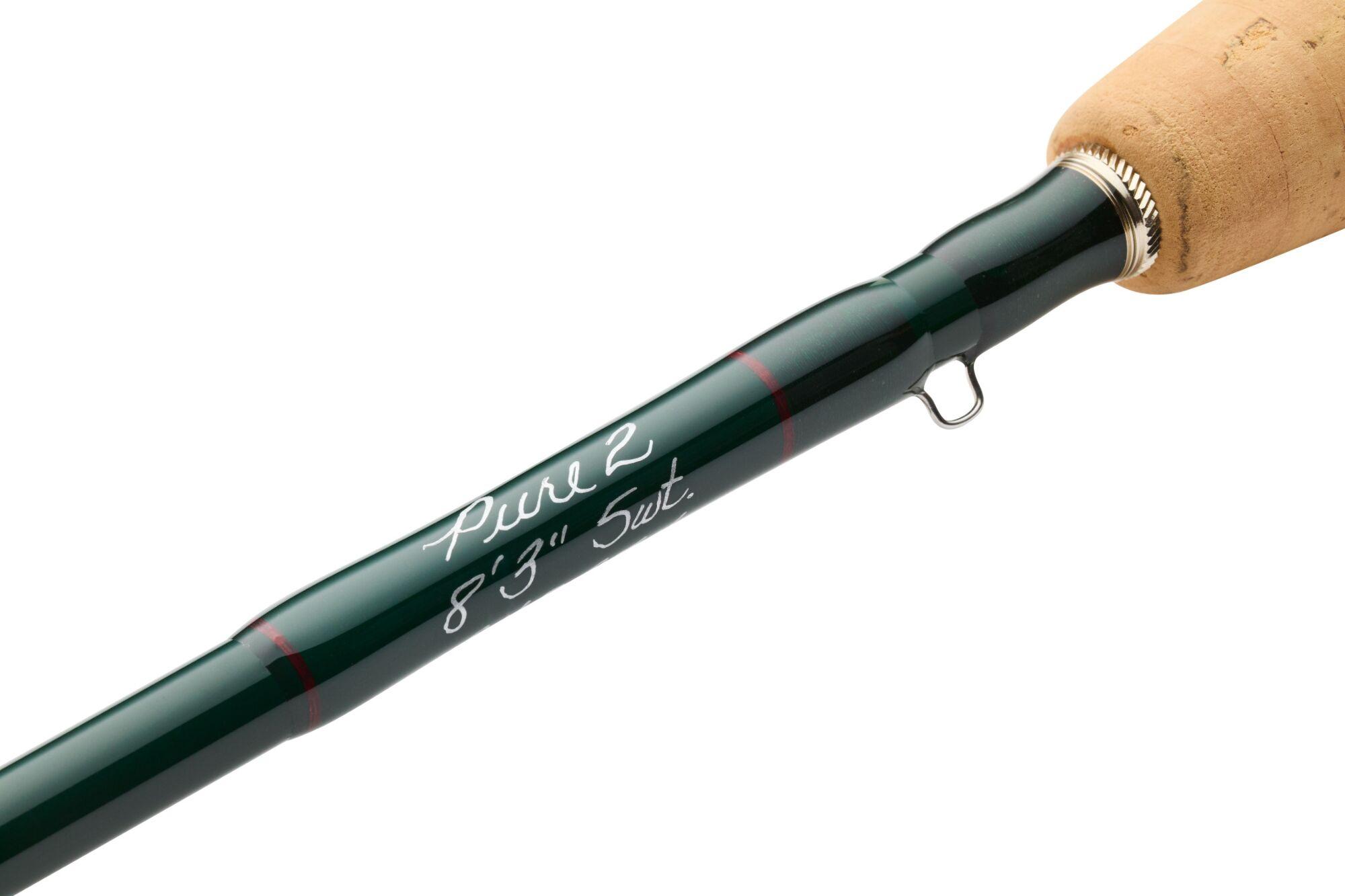


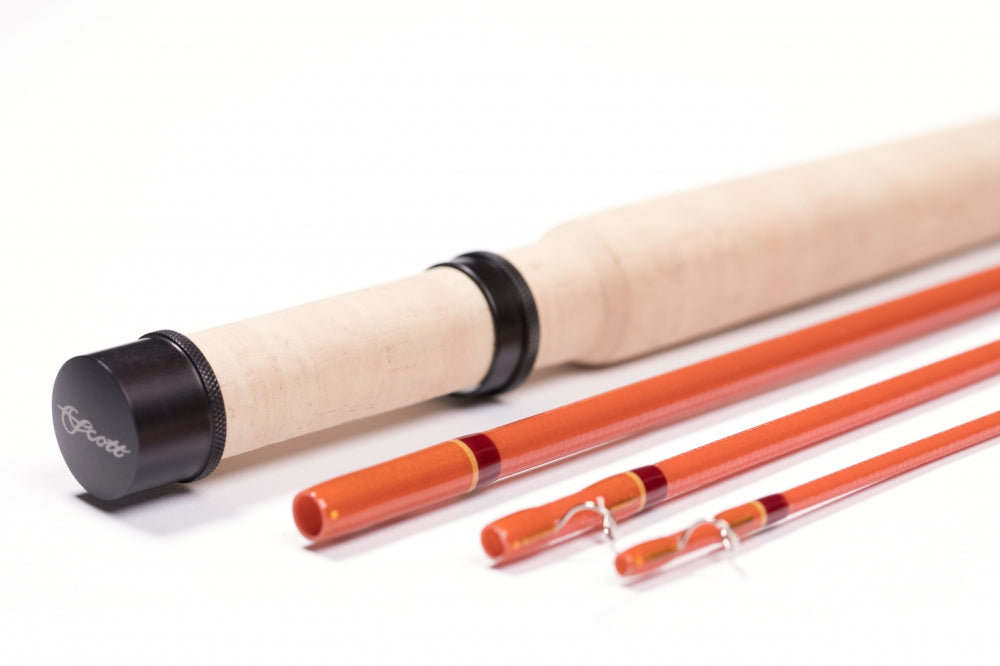
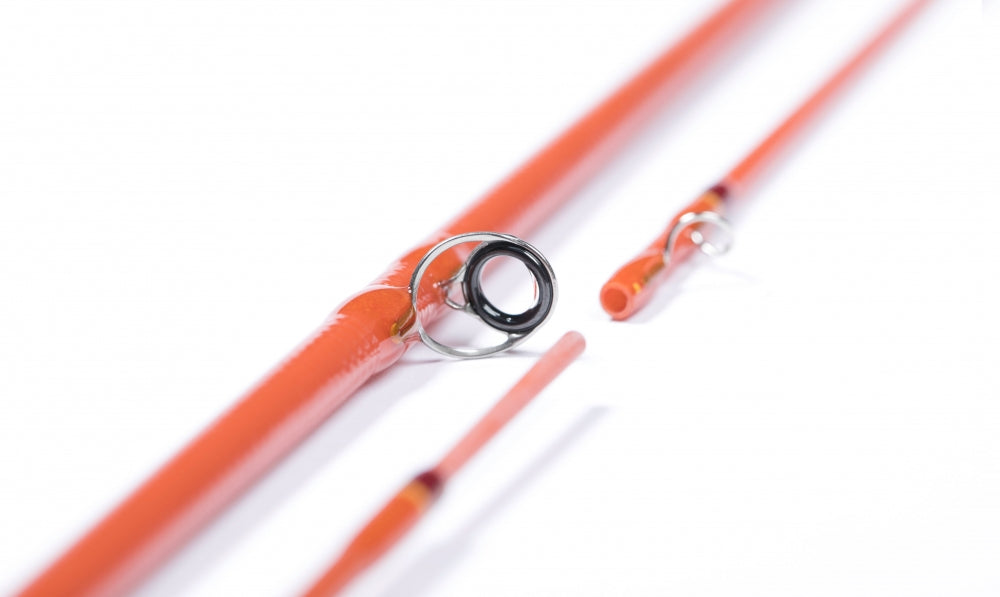
Freshwater Fly Rods
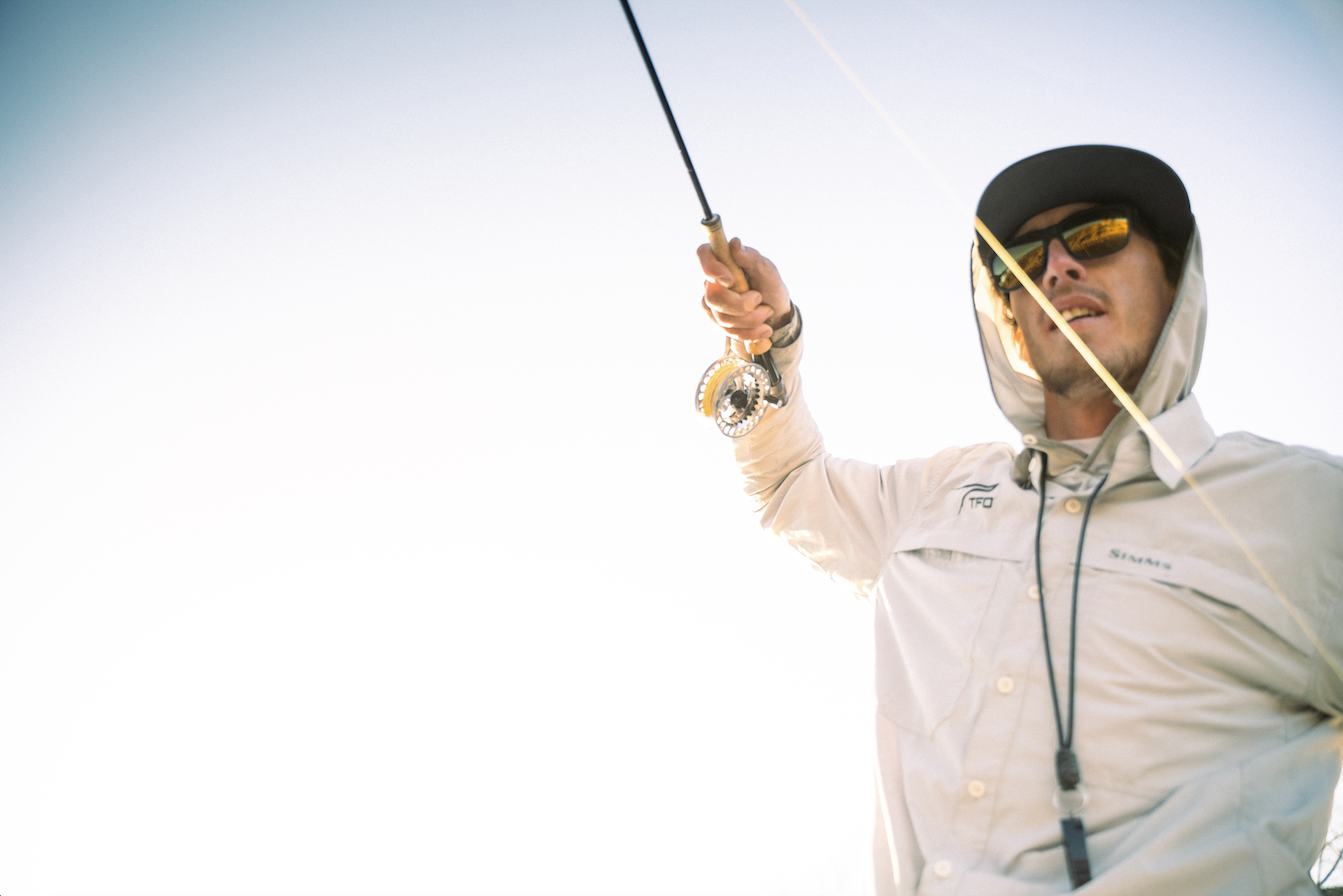
Freshwater fisheries cover a wide range of scenarios, from pocket-water creeks lined with alder to broad tailwaters, meadow streams, warmwater ponds, and deep, wind-swept reservoirs. The right freshwater fly rod gives you the control to land a dry softly at 25 feet, mend across a complicated seam, launch a streamer under a cutbank, or steer a bass away from weeds without over-stressing your tippet. Trout are the most common target and demand accuracy and line control more than raw distance, but many anglers also chase smallmouth, carp, pike, panfish, steelhead, and salmon with single-hand outfits. Typical fly sizes run from #18–#22 dries and emergers up to #2–#6 streamers and weighted buggers; warmwater and predator fishing often pushes into larger profiles. Most productive freshwater presentations happen inside 60 feet, and many of the most technical shots occur between 20 and 45, so a rod that loads predictably and recovers cleanly within a compact stroke makes a real difference.
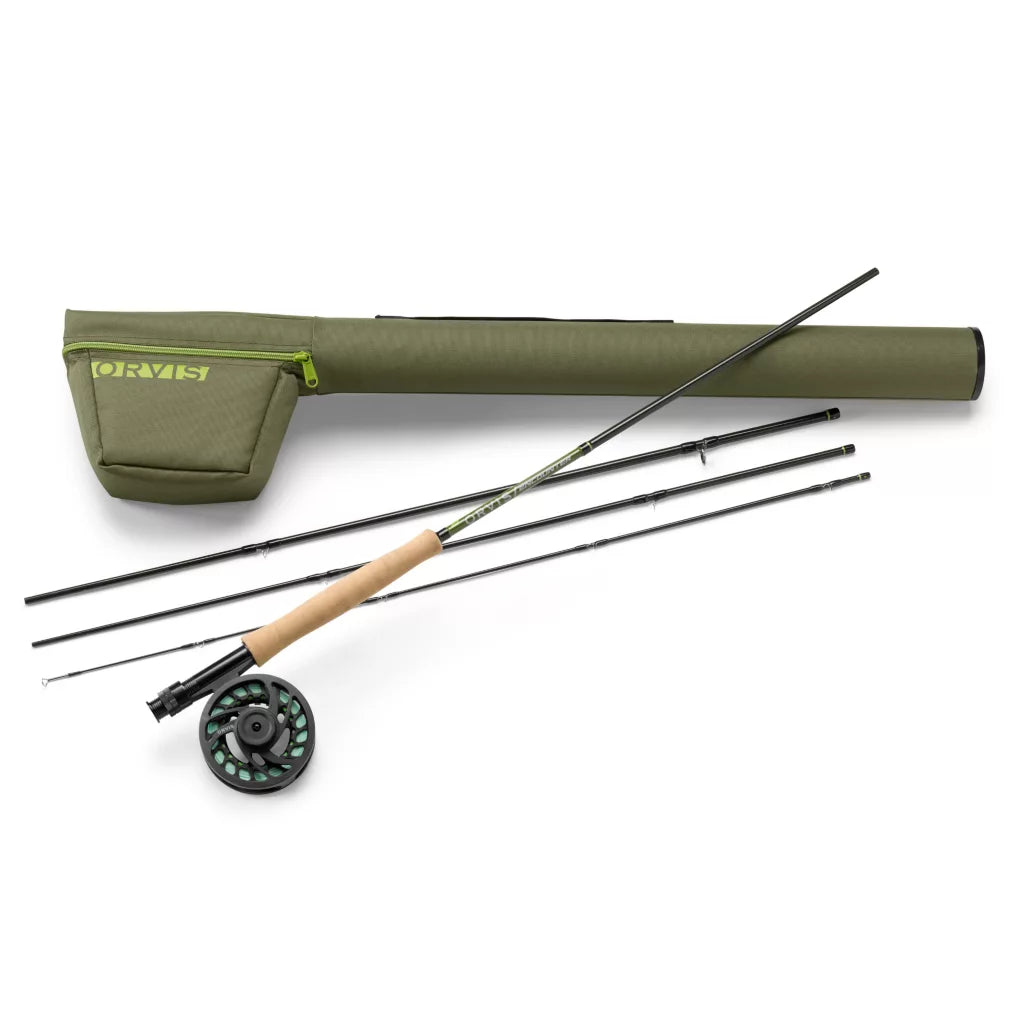
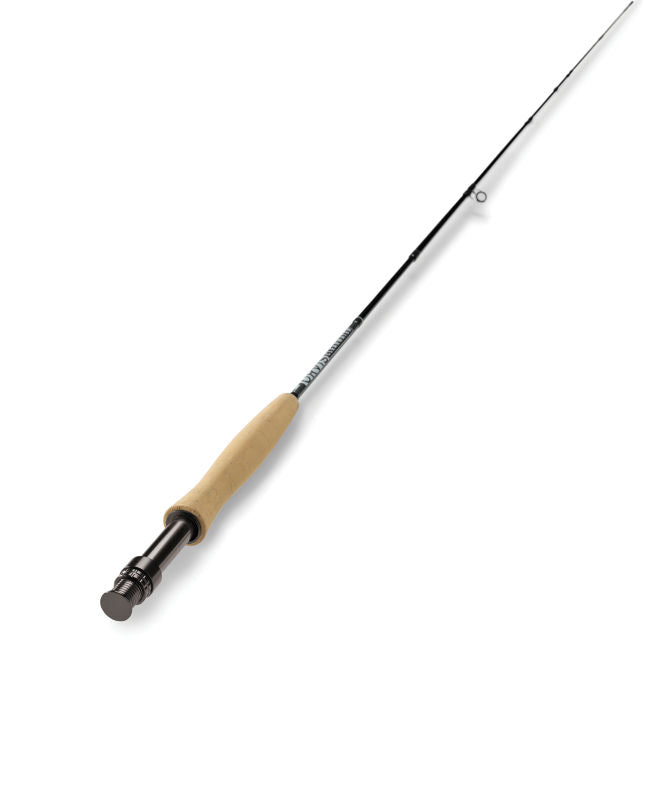
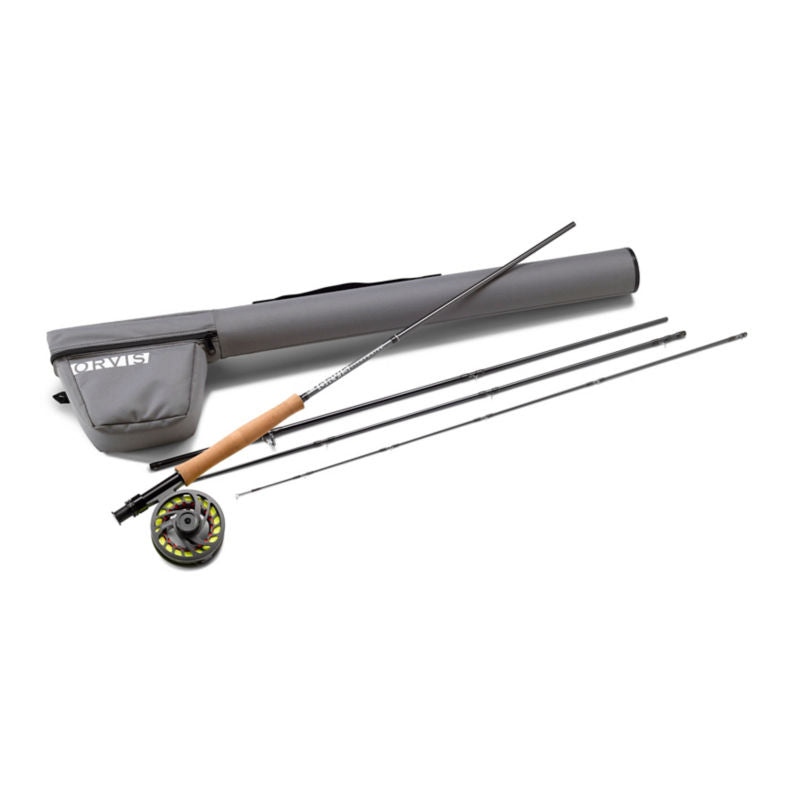
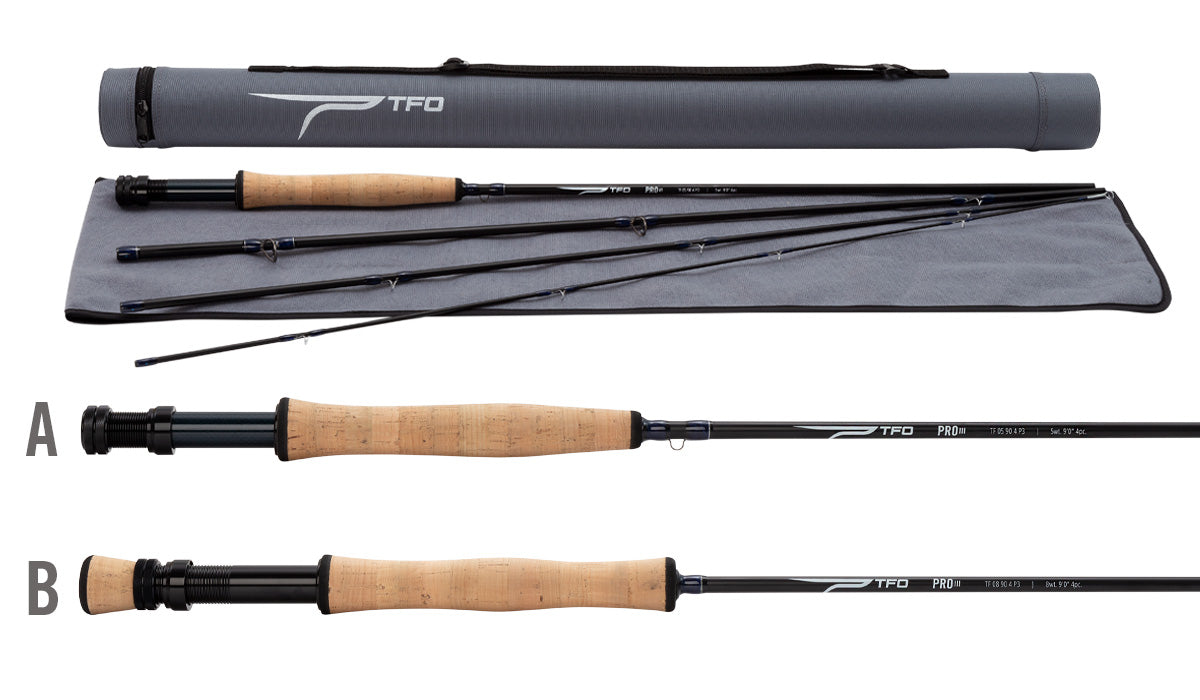
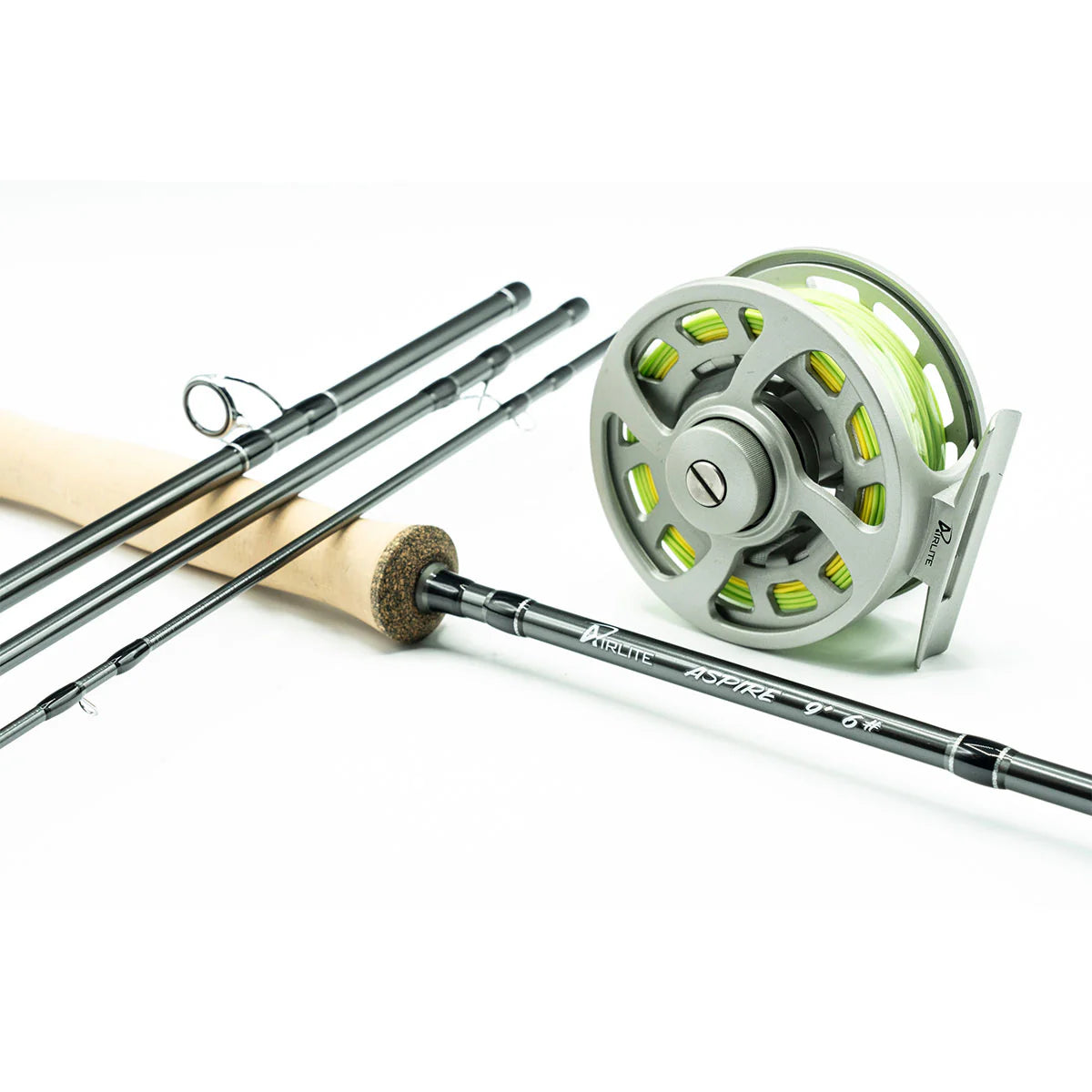
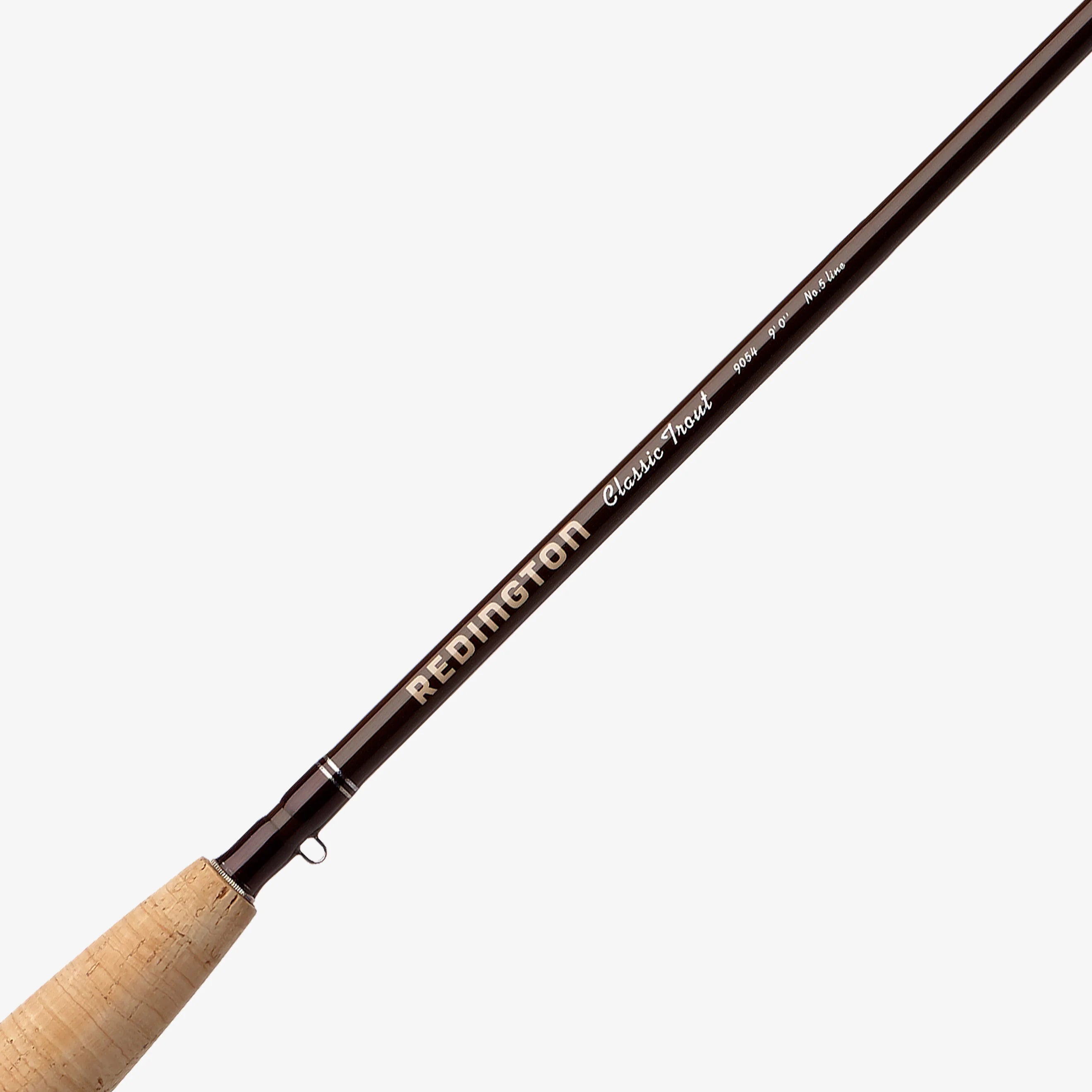
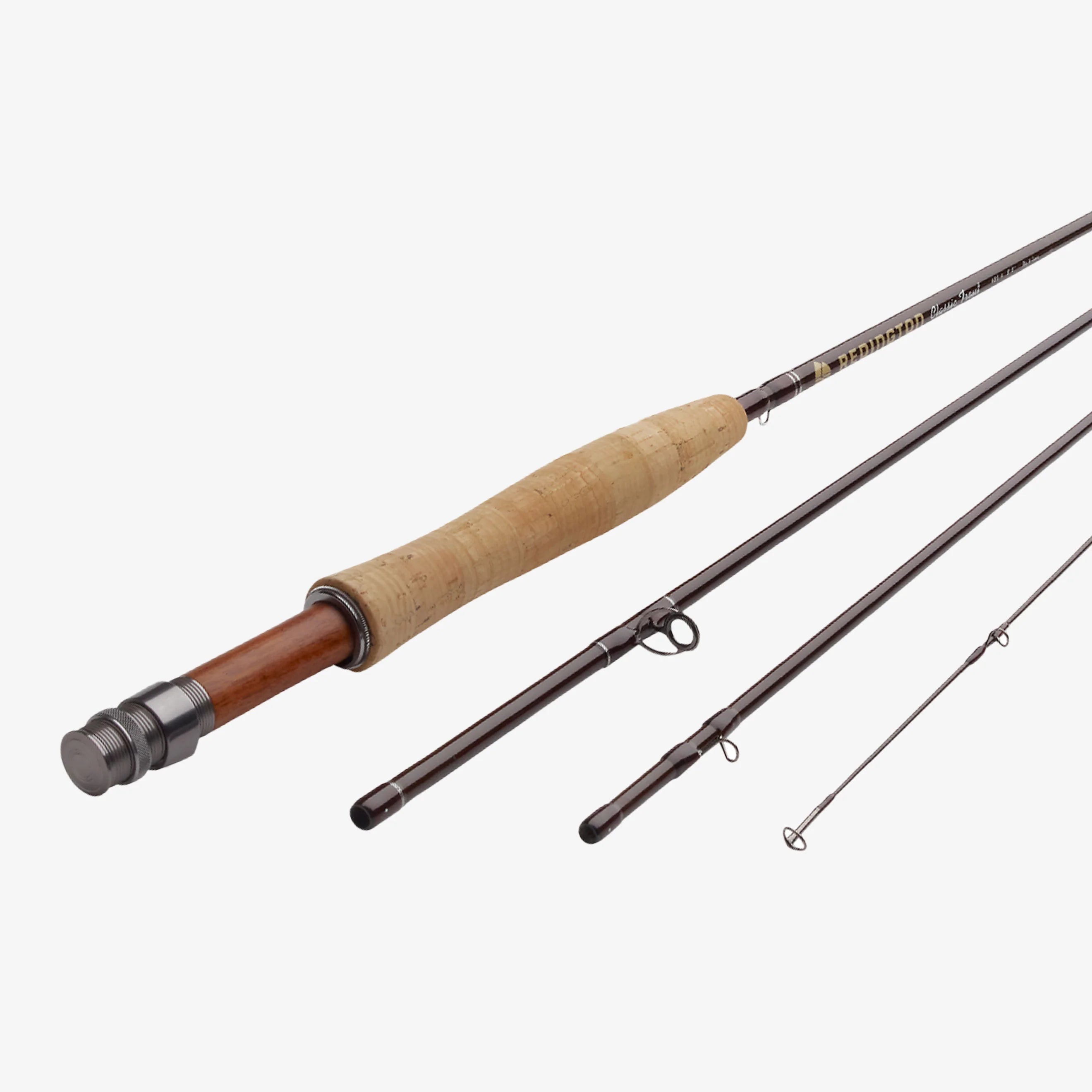
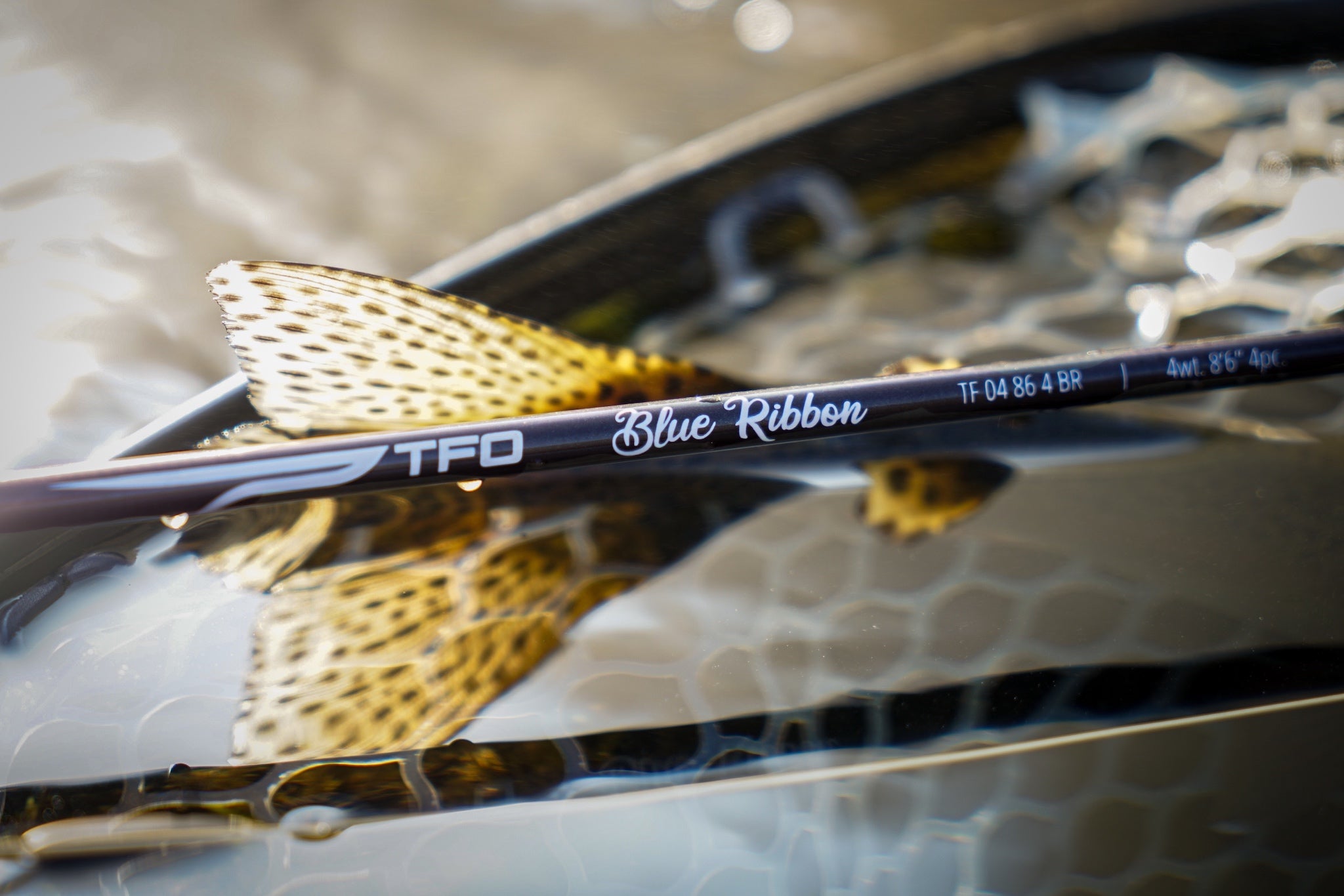
Translating specs into plain language starts with length, line weight, and action. For all-around trout on moving water, a 9’ 5 wt remains the benchmark because it balances line control, dry-fly finesse, and enough backbone for light streamers or tandem nymph rigs. If your home water is breezy, wide, or you favor bigger terrestrials and small streamers, a 9’ 6 wt adds stability and turnover without feeling clubby. Anglers who spend more time with small dries on modest currents often choose an 8’6” 4 wt for lighter touch, quicker recovery at short range, and less fatigue. Tight brush and steep gradient creeks reward shorter rods in the 7’6”–8’ 3–4 wt range that load quickly and keep backcasts out of the willows. Lake and float-tube anglers, or those who need longer mends and improved reach for indicator work, frequently step to 9’6”–10’ in 5–6 wt; the extra length protects light tippets while lifting more line off the water for clean roll casts. Warmwater and light anadromous fishing call for more authority: a 9’ 6–7 wt is a smart choice for smallmouth with poppers and clousers, carp in medium cover, and Great Lakes steelhead with indicator rigs. Predators and larger salmon demand more leverage and bigger flies, so 8–9 wt single-hand rods, often in 9’ lengths, are the practical ceiling in freshwater before moving to specialty or two-hand tools.
Action profiles shape how a rod behaves during the cast and the fight. Fast-action tapers generate higher line speed and tighter loops for windy days, long leaders, and weighted flies, yet the best examples still carry enough tip sensitivity to protect fine tippet on small dries. Moderate-fast and true moderate actions load deeper and shine at typical trout distances, roll-casting, and controlled mends; many anglers find them easier to time when shots are close and angles change quickly. Glass and glass-leaning composites bring a slower cadence and pronounced feedback that some anglers love on small streams or with soft hackles. If you’re unsure where to start, consider your most common fly size and water type first, then choose the action that lets you place that fly with the tempo you naturally use. A good rule of thumb is to size up in line weight when wind, bigger streamers, or heavier rigs dominate your day, and to size down when stealth, longer leaders, or low, clear flows are the norm.
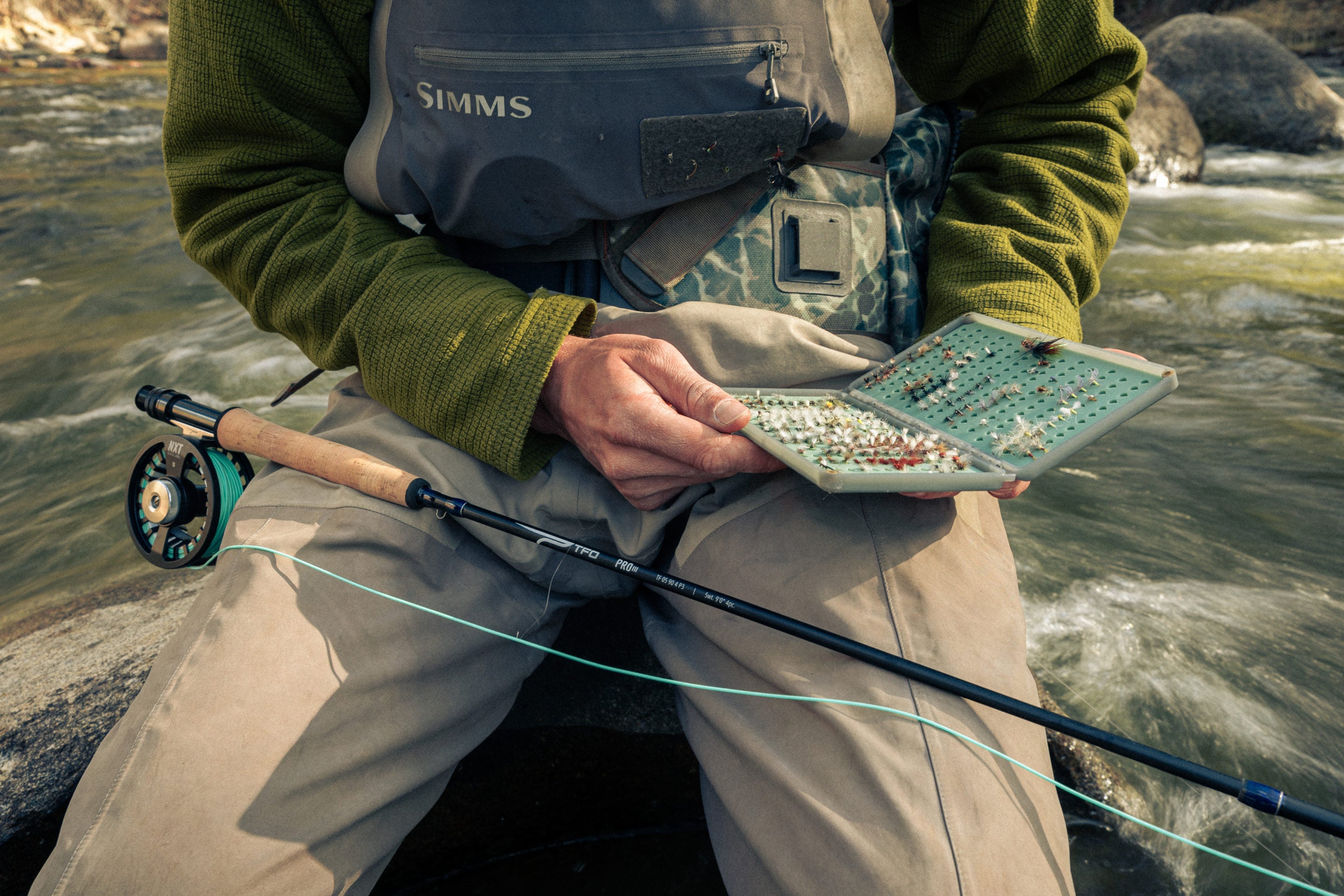
A few practical selection notes from the guide bench help narrow choices. If your water is brushy and your average cast is under 35 feet, prioritize a shorter rod with a moderate or moderate-fast feel so it loads immediately and lands quietly. If you spend time mending across mixed currents or fishing longer leaders, reach matters; a 9’6” or 10’ rod in a 5 or 6 wt will pick up more line cleanly and set drifts with fewer corrections. If you’re building a streamer-focused setup for rivers, a 9’ 6 wt with a slightly stronger butt will move weighted patterns and steer fish without overworking your wrist; if you’re doing the same work for bass around cover, a 9’ 7 wt provides better turnover and control. Balance matters as much as total weight on a scale. Mount the reel you plan to fish and make sure the outfit feels neutral in hand with 30–40 feet of line beyond the tip; a well-balanced system reduces fatigue and improves tracking. As for care, rinse grit and silt from ferrules after each trip, avoid high-sticking when landing fish, and let sections dry before storage to protect the finish and cork. Warranty terms differ among makers; registering the rod and keeping proof of purchase simplifies service if accidental damage occurs.